
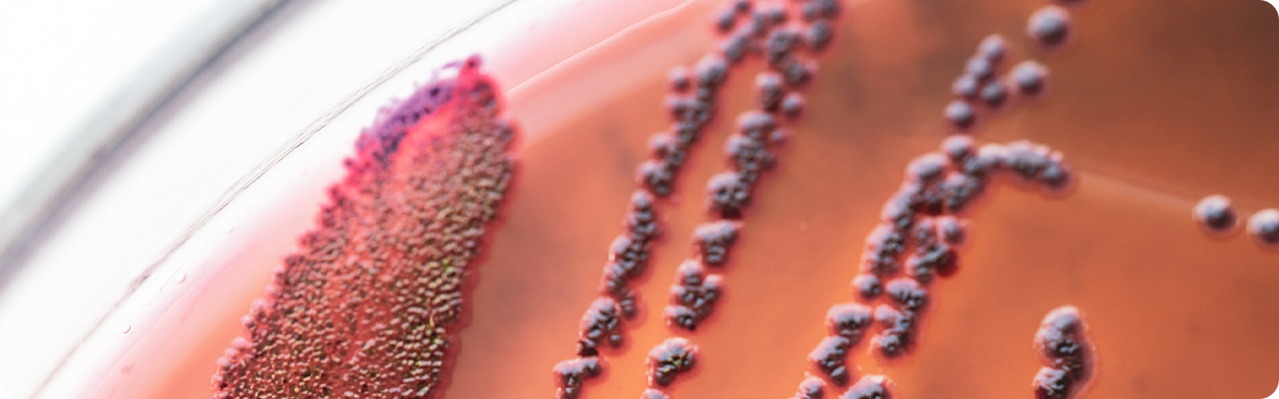
The One Health approach emphasises the interdependence of human, animal, and environmental health in the context of AMR. Addressing AMR effectively requires a coordinated approach that integrates efforts across all three sectors to mitigate its impact globally.
Articles

Veterinary pharmaceutical packaging – a global One Health challenge
Packaging is a major issue for humanity – 40 percent of plastic waste globally is made up of the wrappers and containers that products are sold in.
Citizen scientists join the fight against antimicrobial resistance
There is great potential in utilising citizen science projects in the fight against antimicrobial resistance (AMR).
Driven by Facts, United by Policy: Messaging to Mobilise?
Communicating the threat of antimicrobial resistance (AMR) is often hindered by inaccessible language and technical complexity.
Memes meet microbes: spreading awareness about antimicrobial resistance
We’re using the power of memes to raise awareness about the growing threat of antimicrobial resistance (AMR) and its impact on global health.
From farm to fork: Tracking AMR in Australia’s food supply
Antimicrobial resistance (AMR) is often seen as a hospital problem, but it can impact our everyday lives in less obvious ways — through the food on our plates.
How the pandemic changed Australia’s love of antibiotics
If there was one wafer-thin silver lining to the COVID-19 pandemic, it was that everyone rapidly learned what a virus was, and how it wasn’t a bacterium.
What lies beneath: AMR in Australia’s water
An often-overlooked aspect of antimicrobial resistance (AMR) is its emergence and spread in the environment, particularly in water sources.
Dogs, cats, and AMR in Australia’s remote communities
It’s tough enough dealing with potential AMR in domestic animals in Australia’s major towns and cities, where well-stocked and resourced veterinary facilities are relatively easy to access.
Schools could be the first line of defence against AMR
By prioritising AMR education now, we can help conserve the effectiveness of antimicrobial drugs.
The rise of antifungal resistance
Stakeholders must decide how to balance food security with antifungal drug development for humans.
AMR-related risks and opportunities for investors
Investors with US$13.9 trillion in assets signed a statement urging policymakers to act on critical requests to tackle AMR.
Can nano-antimicrobials extend the life of existing medicines?
Australia could benefit from nano-antimicrobial particles to increase the effective lifespan of current and new antimicrobial medicines, but barriers remain.
