- Breakfast session – Turning data into AI-enabled equitable action against AMR
- Session 10 – Valuing and incentivising novel antimicrobials
- Session 11 – Cleaning up antimicrobial waste for people and planet
- Session 12 – AMR solution startups: Show me the money
- Session 15 – From grants to growth: Building investment-ready AMR solutions
- Session 16 – Applying the precision medicine paradigm to AMR
- Session 17 – From pitfalls to potential: AMR R&D strategies in LMIC and HIC markets
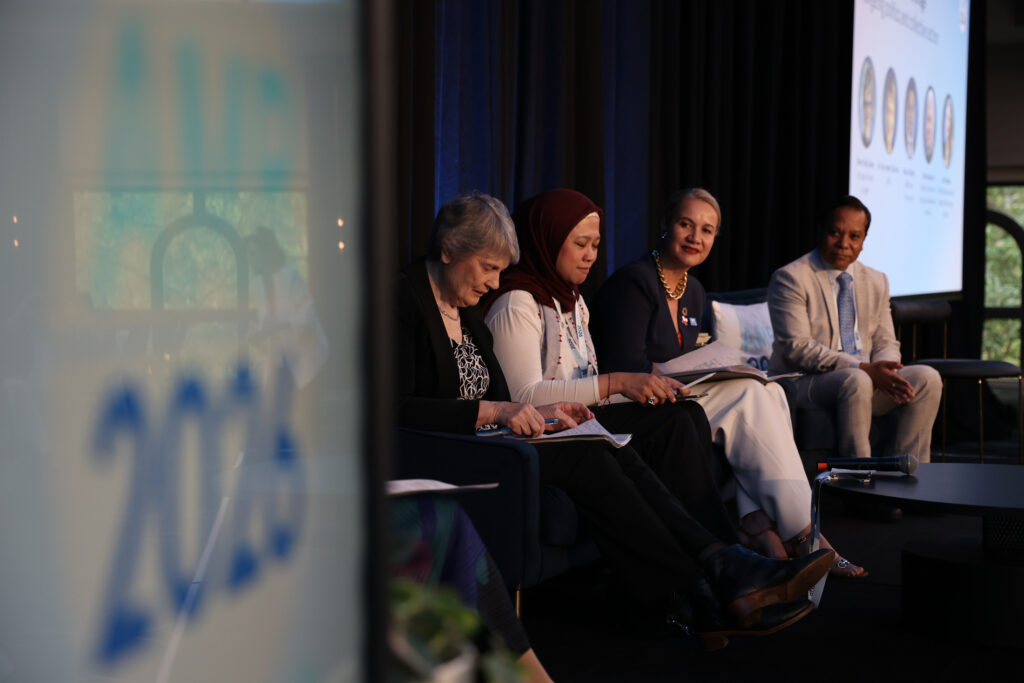
Breakfast session – Turning data into AI-enabled equitable action against AMR
As AI moves rapidly from experimentation to deployment, AMR sits at a pivotal junction: the technical capability to analyse complex datasets is accelerating but the conditions required for equitable impact, which include representative data, trusted governance, local capacity and interoperable infrastructure, are uneven. This session focused on what it takes to translate data into AI-enabled action that is not only scalable, but fair across settings, sectors, and populations.
Summary
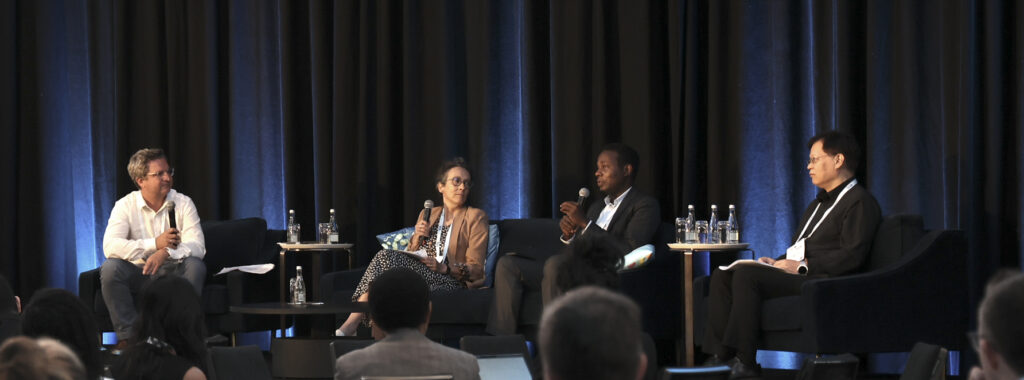
This session examined how AI can support AMR action in real-world health and One Health systems, while highlighting why equity is a design constraint rather than an automatic outcome. It emphasised that routine health data is often incomplete and heterogeneous, that AI cannot safely fill the gaps without risking misleading inferences, and that adoption depends less on new algorithms than on foundational elements: data quality, representativeness, interoperability, governance, usability, and local compute and skills.
Practical examples ranged included natural language processing (NLP) extracting prescribing rationale from clinical notes to optical character recognition (OCR) for digitising paper records, to protein-structure modelling collaborations, and AI-enabled synthesis of AMR research and national action plans at scale.
“Routinely collected data is messy and heterogeneous, and what AI cannot do effectively currently is to fill in the gaps of the patient journey … imputing data in this way can be misleading.”
Raheelah Ahmad, Informed Policy co-lead, Fleming Initiative
Towards smarter, better, and faster AMR decisions
A central thread was that equity begins upstream, with the quality and inclusiveness of the data and systems that generate it. The discussion underscored that even well-resourced health systems often lack comprehensive linked datasets, and that gaps are amplified in pluralistic settings where care pathways are fragmented and coverage is low. In this context, AI is most defensible when it strengthens and extends mature systems helping reach people currently underserved rather than being used as a substitute for missing data, weak workflows, or incomplete linkage.
Examples of promise included AI-supported risk prediction for healthcare-associated infections, sepsis, and surgical site infections, and AI-enabled diagnostics across a range of settings, alongside a caution that premature adoption in lower-income contexts can entrench inequities when tools are not codeveloped, locally stewarded, or fit for purpose. The session also pointed to AI already embedded in routine care (such as triage tools in primary care) and argued that equity requires evaluating these tools against outcomes, not just efficiency, because scale without outcome evidence can quietly reproduce bias.
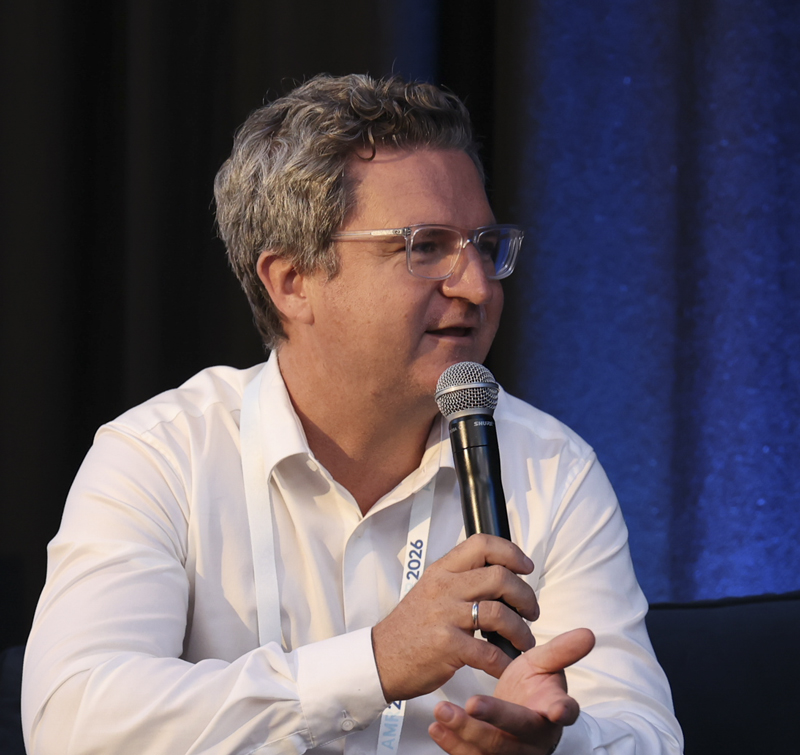
“Everyone talks about AI, but the proof’s in the pudding. You don’t just drop these systems in … you have to take users with you from the beginning and design them around how people actually work.”
Stefan Harrer, Program Director, AI for Science, CSIRO
The panel stressed that AI in AMR is moving beyond pilots in pockets of the ecosystem, but that the limiting factor is rarely the algorithm alone. Practical use cases already in production were discussed, especially those that depend on robust data foundations and integration into workflows. A concrete example was NLP applied to unstructured clinical notes to extract information that does not reliably appear in structured fields, including the rationale behind prescribing decisions that is often only recorded in free text.
Predictive analytics embedded along the patient pathway, and applications spanning clinical research, safety and population health, were also highlighted, with the consistent message that health‑care‑grade expectations should apply to data itself: governance, provenance, validity, and standardisation sufficient for decision support. Interoperability was framed as a common language problem as much as a technical one: without shared registries, codification, and naming conventions across One Health streams, linked analysis remains fragile and costly.
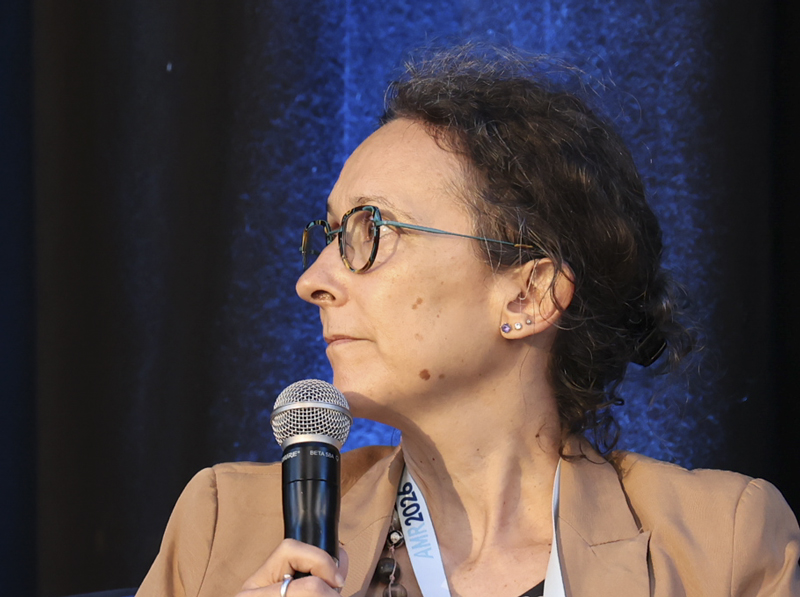
“AI often doesn’t fail because the algorithm is wrong, but because the foundations are not there.”
Stephanie Barada, Principal, IQVIA
The discussion expanded equitable AI beyond representativeness in training data to the reality of implementation: who must use the tool, what constraints they face, and what makes outputs trustworthy. Equity was described as requiring capacity across the chain from model development and contextualisation, stewardship and regulation, and clinician trust to usability for community health workers and citizens. Designing for low-friction use (including language, literacy and workflow fit) was presented as a core safety requirement rather than a ‘localisation afterthought’. The session also surfaced the practical complexity of incentives for data sharing including that return on investment is uneven and often delayed with progress dependent on aligning incentives with safeguarded access, where decision makers can safely use data from other streams without undermining sovereignty or confidentiality.
A distinct contribution from data-intensive research settings was the emphasis on portability and compute. In genomics-heavy AMR work, the average AI experience does not translate as large DNA datasets and heavy backend applications often require local capability, and cloud compute can become expensive and impractical where connectivity is variable. A tangible example of value in constrained settings was Optical Character Recognition (OCR) for digitising paper-based records and unlocking routine datasets that would otherwise remain inaccessible because manual transcription is infeasible.
Collaboration was presented as a practical equity lever; applying tools such as AlphaFold through partnerships to locally relevant research questions (including protein structure work connected to tuberculosis (TB) and early-stage work interrogating malaria parasite variants at scale) can enable leapfrogging, but only if skills, protocols and infrastructure are built alongside the tool. The panel also highlighted how rapidly the landscape moves: training and platforms can become obsolete within a couple of years, requiring mechanisms for continual adaptation. A particularly actionable equity detail was speech-to-text/text-to-speech and low-resource language readiness.
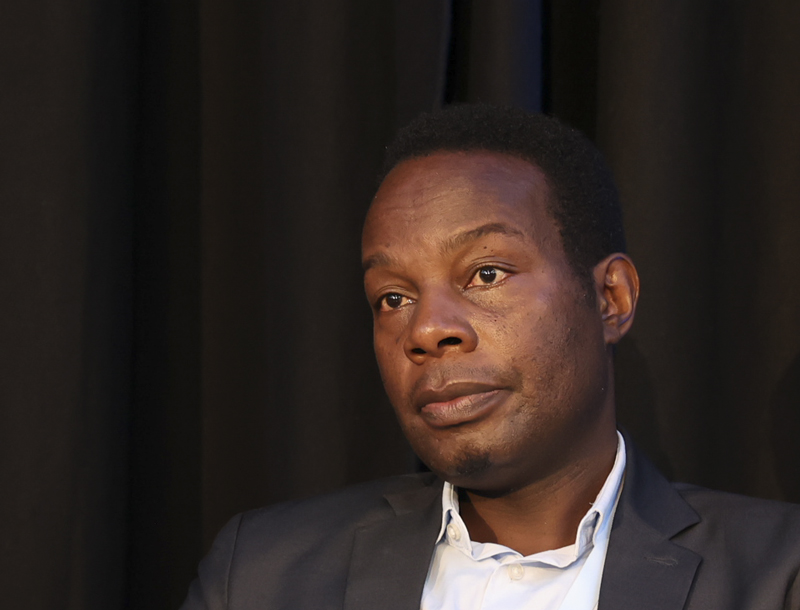
“For most clinicians and village health teams, the gadgets alone are intimidating, even for those with a smartphone. Speech is natural, but English is the only high‑resource language … so equity depends on how we collect, curate, and translate local‑language data so it can work with AI and spread the benefits.”
Daudi Jjingo, Director, African Center of Excellence in Bioinformatics and Data-Intensive Science (ACE)
The session illustrated how AI can support One Health not only through prediction, but through knowledge integration. Examples included building large-scale research maps from hundreds of thousands of AMR publications to identify themes, funding patterns, methods and cross-domain linkages, and developing multilingual tools to interrogate national action plans and generate referenced synthesis. This bird’s-eye view approach was positioned as essential in an era where the literature volume exceeds manual synthesis capacity. Importantly, it also revealed where One Health is uneven in practice.
Environmental and food-system dimensions were described as underrepresented relative to clinical research, and methodological heterogeneity (e.g. PCR-based versus culture-based approaches, inconsistent sampling and metadata standards) was identified as a barrier to harmonised datasets and actionable insights. The longer-term horizon presented was moving from mapping to predicting and building digital representations of microbial systems under anthropogenic and climate pressures to anticipate mutation, horizontal gene transfer and risk trajectories, an agenda that depends on standardised, inclusive global data infrastructure, and interdisciplinary collaboration.

“Most publications are not read widely … The technology is there to distil and integrate the knowledge from (full text) published research. Using AI to digest this literature turns what is often wasted paper into usable knowledge but it needs a global mechanism, so it is used for public knowledge, not private business.”
Yong-Guan Zhu, Director General, Research Center for Eco-environmental Sciences, Chinese Academy of Sciences
Actions and considerations for follow‑through to 2029
- Fix the foundations: standardise registries, nomenclature and metadata across One Health streams so data is linkable and of healthcare-grade.
- Govern for safe sharing: strengthen stewardship, confidentiality and sovereignty safeguards while enabling purpose-specific data access.
- Prove impact, not just adoption: evaluate deployed AI tools (e.g., triage/decision support) on patient outcomes, safety and equity effects.
- Codesign for usability: build with end users (clinicians → community health workers → citizens), specifying literacy, language and workflow needs from the outset.
- Invest in language enablement: prioritise low-resource language datasets plus speech-to-text/text-to-speech to make routine capture feasible.
- Resource local compute where needed: develop sustainable local HPC/compute for genomics-intensive workloads, with secure connectivity for collaboration.
- Speed policy with guardrails: pilot AI-assisted national action plan synthesis/midcycle review with transparent referencing, validation and bias auditing.
- Measure the economics: capture cost, return and cost-benefit evidence for AI-enabled AMR research and implementation to support scaling decisions
Session 10 – Valuing and incentivising novel antimicrobials
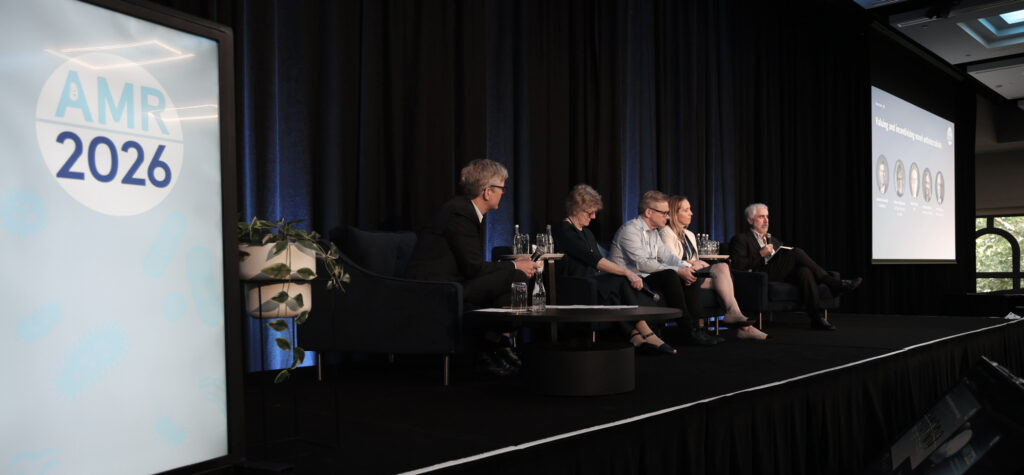
There are several global incentive models to fix the ‘broken market’ for new antibiotics. Pull mechanisms are now well advanced and recent analyses of subscription‑style approaches show they are gaining traction worldwide. Panellists explored what’s working, what isn’t, and the practical steps needed to build sustainable, evidence‑led incentives that can revitalise antimicrobial innovation for decades to come.
Summary
Session 10 centred on a blunt proposition that antimicrobials cannot be treated like ordinary commodities if society expects them to function as life‑saving infrastructure. The discussion linked three elements that are often considered separately: patient access, stewardship, and innovation, and argued they only hold together when incentive systems reward what public health needs, rather than what volume‑based markets can sustain.
From people and patients to payment
The session began by grounding AMR in human experience rather than aggregate statistics. Access gaps were described as an operational reality already shaping clinical care, including in high‑income settings. In Australia alone, hundreds of applications are made each month to access antibiotics not registered for domestic use, with a significant proportion for critically ill patients. Despite increasing AMR rates, only a small number of newer antibiotics are available locally, and reliance on special access pathways continues to rise. These patterns were presented not as anomalies, but as early warning signs of a system under strain.

“We’re seeing nearly 500 special access applications each month for antibiotics not registered in Australia, around 27 percent of those are for critically ill patients. Since 2011, only three of the 25 new antibiotics launched globally are registered in Australia and demand for them rose by about 35 percent in just the past year.”
Andrew Bowskill, Co-chair, AAMRNet, and Director of QLD Stakeholder Engagement, MTPConnect
These realities grounded a broader point: even with improved stewardship, prevention, and diagnostics, clinicians continue to encounter situations where effective treatments simply do not exist or are not accessible in time. This is particularly acute in paediatric and neonatal care, where evidence, licensing, and formulations frequently lag behind adult markets. The discussion emphasised that equitable access is a time‑critical challenge that can determine survival, especially for infants, immunocompromised patients, and those undergoing complex care.
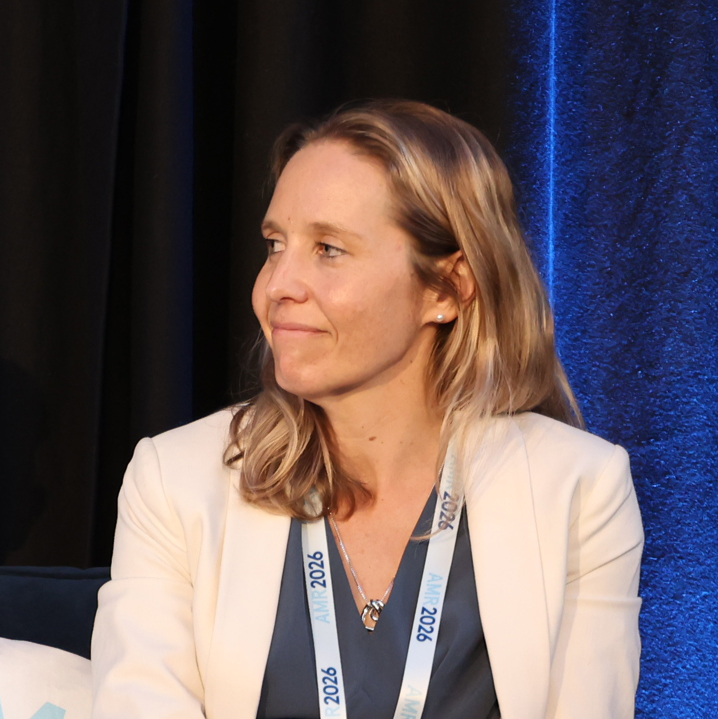
“We have almost no research or licensing for many of those novel antibiotics for children … and we often have to come up with dosing through expert consensus. We’ve also had a baby where we couldn’t get any antibiotics in time and that baby did die … that’s even with sub-specialist involvement within a few hours.”
Phoebe Williams, Associate Professor, Faculty of Medicine, University of Sydney
Against this backdrop, speakers examined claims that prevention and stewardship alone could obviate the need for new antimicrobials. That position was firmly rejected. Resistance was framed as an evolutionary process that continues regardless of how well existing drugs are managed. Because drug development timelines are long, delays in recognising this reality translate directly into avoidable deaths. Antimicrobials were repeatedly described as foundational infrastructure: without them, modern medicine—from cancer treatment to intensive care—cannot function safely or at scale.
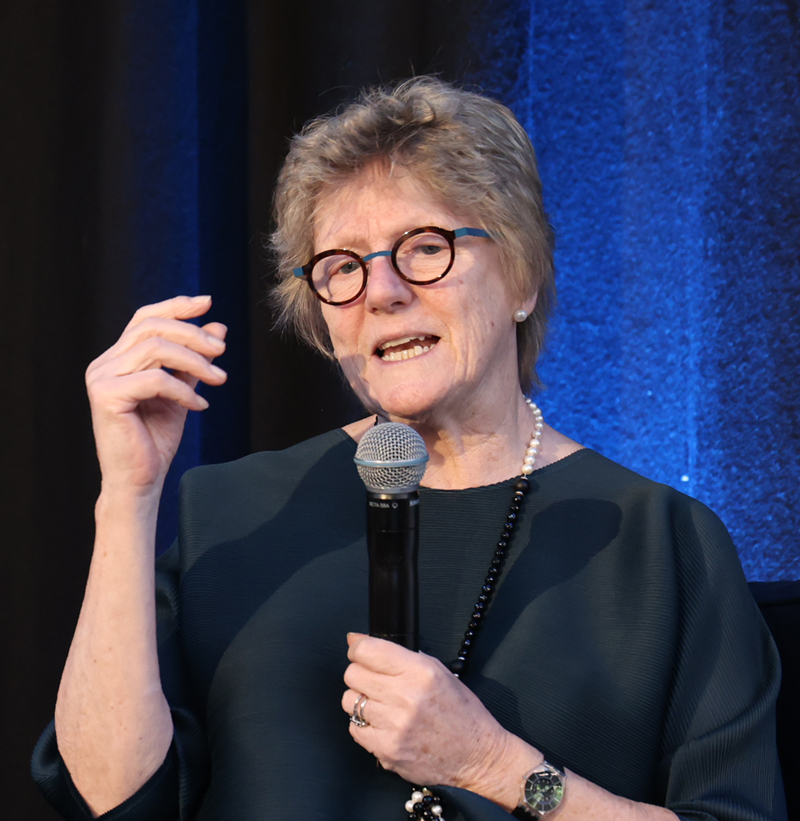
“Resistance is an evolution and it’s happening all the time … what wakes me up at night is that by the time politicians wake up it will be too late. Antibiotics underpin modern medicine … I see them as infrastructure.”
Dame Sally Davies, UK Special Envoy on AMR
The conversation then turned to why, despite clear clinical need, the antibiotic pipeline remains thin. Scientific complexity was highlighted as a genuine barrier: while advances such as whole‑genome sequencing generated optimism by revealing many new bacterial targets, translating those targets into safe, effective medicines has proven far more difficult than anticipated, with even large, well‑resourced pharmaceutical programmes failing to yield viable candidates.
Crucially, the discussion went further, noting that even when antibiotics do succeed scientifically, existing market structures make it difficult and often impossible to recover the high costs of research and development. Taken together, these scientific and economic realities explain why antibiotics face a deeper problem than discovery alone: without different incentives, even effective programmes struggle to survive once products reach the market.
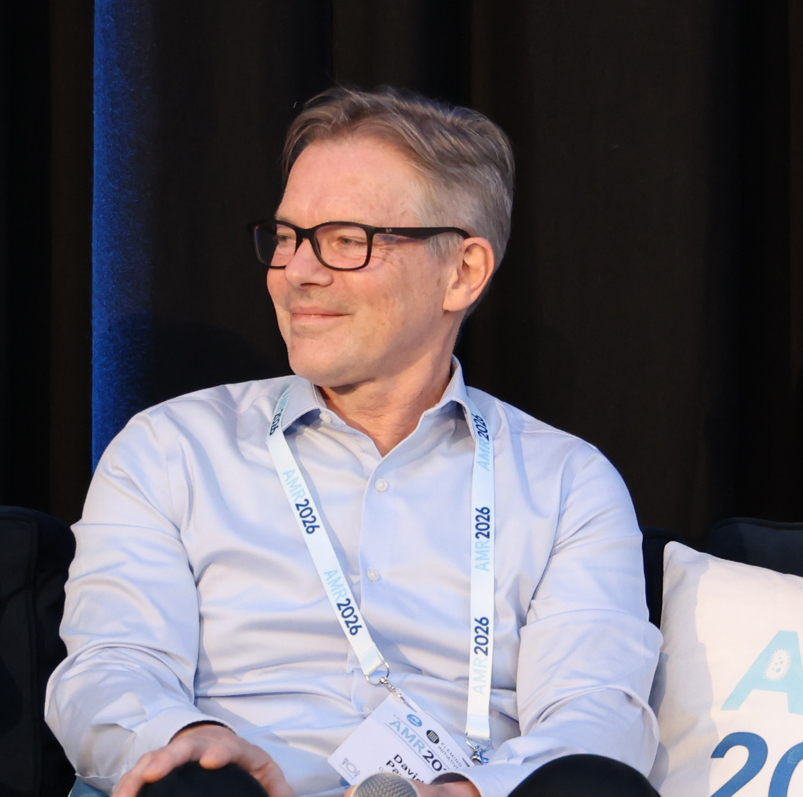
“We had something like seventy antibiotic projects focused on new genomic targets … and when we looked back, we hadn’t discovered a molecule that was safe and effective in humans. No development candidate came from those programmes.”
David Payne, Vice President and Head of Infectious Diseases Research, GSK
This set the stage for the session’s core focus: incentive design. The discussion framed solutions less as individual interventions and more as economic architecture. Delinked pull incentives—particularly subscription models that pay for availability rather than volume—were presented as a way to align innovation with stewardship, by removing pressure to over‑market or overuse new drugs. For such models to work, however, they must meet several conditions: they need to be global rather than fragmented, large enough to justify long‑term investment, and predictable, so confidence is not undermined just as products reach patients.
The session also emphasised that incentive models should not focus on innovation alone. Design expectations were extended to include ethical manufacturing, early access planning, and feasibility in low‑ and middle‑income countries. Access and stewardship were framed not as downstream considerations, but as requirements that must be built into incentive contracts from the outset.
Finally, the discussion pointed to emerging international experience with subscription‑style models, including structured assessments of value beyond unit price and multi‑year payments that recognise community benefit, system protection, and security of supply. The session argued that predictability is the essential ingredient that makes these models investable, giving developers confidence that returns will still exist when a product arrives many years later. The implication for Australia was clear: the technical and clinical case for new antimicrobials is already strong. What is missing is a durable, shared economic commitment that treats antibiotics as public goods, rewarding availability and preparedness, while preserving their effectiveness for when they are most needed.

“Delinked subscription models are aligned with stewardship, but they have to be global, large enough, and predictable, so when a drug arrives in eight or ten years, the reward is actually there.”
Henry Skinner, CEO, AMR Action Fund
Actions and considerations for follow‑through to 2029
- Implement a delinked pull incentive in Australia that rewards availability rather than volume, explicitly aligned with stewardship and public health objectives.
- Coordinate internationally on ‘fair‑share’ contributions so incentives are collectively large enough to shift private investment and avoid free‑riding.
- Assess antibiotics as health‑system infrastructure in HTA and budgeting, capturing system resilience, avoided downstream costs, and enablement of complex care not just unit price.
- Close paediatric and neonatal access gaps by embedding requirements for evidence generation, formulations, and rapid access pathways within incentive agreements.
- Embed ethical manufacturing and global access expectations into incentive models from the outset, including stewardship safeguards and feasible pathways for LMIC availability.
Session 11 – Cleaning up antimicrobial waste for people and planet
Guided by facilitators across environment, animal and human health, participants examined the feasibility, barriers and real‑world adoption pathways for three innovative antimicrobial waste‑management interventions.
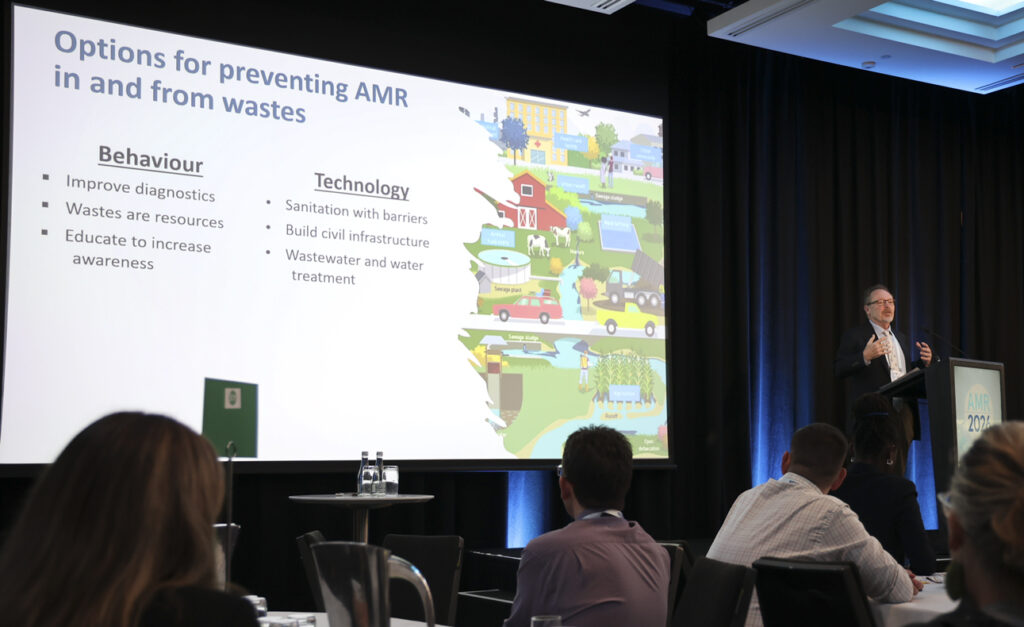
“Prevention is about stopping waste, especially waste with problematic resistance and pollutants, that can select for further resistance from entering the environment. Surveillance tells us where prevention needs to happen.”
David Graham, Research Professor, Durham University; Visiting Professor, Chinese Academy of Sciences
Scenario 1: Environment: Zero-Discharge Wastewater Tech
This scenario discussion explored how environmental pathways, particularly wastewater, shape antimicrobial resistance, and where prevention, behaviour change, and technology are most effective. Participants were asked to consider a hypothetical world with zero‑discharge wastewater systems capable of removing antimicrobial residues, resistant organisms, and resistance genes before release into the environment, and to assess where such approaches might be appropriate across high‑income and low‑ and middle‑income settings.
The discussion quickly surfaced a shared recognition that advanced treatment technologies alone cannot solve the problem. While high‑end engineering solutions may be appropriate in specific, contained settings such as hospitals or pharmaceutical production facilities, their feasibility depends heavily on existing infrastructure, density, and cost. Participants noted that many discussions about technological solutions overlook the basic realities of how waste is currently managed, including whether there is even a system to connect new technologies to.
A recurring insight was that not all waste streams are equal. Some sources are easier to capture and treat, presenting “easy wins” where targeted technologies can be effective in both high‑ and low‑income contexts. In contrast, diffuse or low‑density settings pose significant challenges, where treatment is often expensive, technically complex, or simply infeasible.
Across tables, the distinction between high‑income and low‑income countries was less pronounced than expected. Instead, population density and system configuration emerged as more meaningful determinants of policy choice. High‑density areas in any country may justify end‑of‑pipe treatment investments, while low‑density areas everywhere face similar constraints.
As a result, the scenario consistently returned to the importance of upstream prevention. Reducing antimicrobial use through better stewardship, behaviour change, and community engagement was seen as essential to lowering the burden on wastewater systems. Participants highlighted the role of trusted community leaders in influencing antimicrobial use, alongside policies that balance demand reduction with targeted strengthening of treatment where it is viable.
Overall, the scenario reinforced that environmental AMR strategies must prioritise prevention first, use technology selectively, and be grounded in an understanding of real‑world infrastructure and context. Effective responses depend less on universal technical fixes and more on matching interventions to where they can realistically deliver impact.
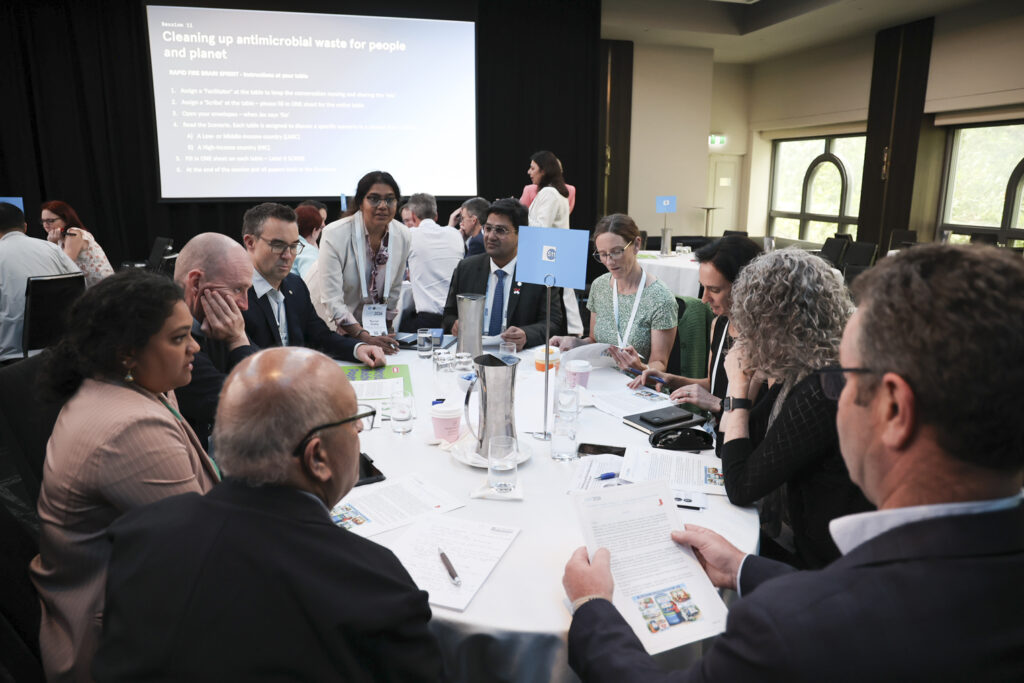
Scenario 2: Animal: Manure-to-Resource Farm System
Groups of delegates examined the role of manure‑to‑resource systems in livestock production, exploring how livestock waste streams such as manure, bedding, urine, and straw could be treated to reduce antimicrobial residues while generating valuable outputs such as bioenergy, biochar, compost, and fertilisers. Participants considered adoption pathways in both high‑income and low‑ and middle‑income country settings, focusing on barriers, enablers, and the single most critical obstacle that could realistically be addressed.
Across discussions, it was clear that technical feasibility was not the primary constraint. Instead, adoption hinged on risk, economics, and integration into existing farming systems.
In high‑income settings, the dominant challenge was investment risk rather than technology readiness. Proven systems for treating waste exist but scaling them requires de‑risking particularly around product safety, regulatory responsibility, and liability. Participants highlighted uncertainty over who bears responsibility for quality assurance, compliance monitoring, and the consequences if treated products fail to meet standards. These risks act as a brake on private investment, with government grants, regulatory clarity, and insurance mechanisms identified as potential enablers.
Climate and environmental shocks further amplified risk. Flooding was raised repeatedly as a critical vulnerability: stockpiled manure and processed material can be rapidly released into the environment, creating acute contamination events. While insurance may buffer these risks in high‑income settings, the consequences are far more severe elsewhere.
In low‑ and middle‑income settings, barriers were more structural and systemic. Limited access to finance, patchy infrastructure, and gaps in technical support constrain adoption. For producers operating with narrow margins, long‑term environmental benefits alone are insufficient. Participants emphasised the need for immediate, tangible benefits, such as job creation, energy cost reductions, or direct productivity gains, to make adoption viable and sustainable.
Despite contextual differences, several themes cut across all settings. Economic sustainability emerged as a non‑negotiable condition: if systems do not make financial sense for farmers, they are unlikely to persist. Participants stressed that manure‑to‑resource approaches should be embedded into routine farm practice, rather than positioned as stand‑alone or add‑on interventions. AMR was framed as an extension of existing biosecurity responsibilities, not a separate agenda requiring entirely new systems.
Communication and behaviour were also central. Farmers operate amid multiple, competing pressures that include animal disease, energy costs, market volatility. AMR is rarely their primary concern. Clear communication about relative risk, practical benefits, and feasibility was seen as essential. Participants cautioned that leading with AMR as a problem narrative can be counter‑productive, particularly where it carries negative or punitive connotations.
Instead, the discussion favoured positive framing and solution‑led messaging: demonstrating benefits, showcasing good practice, and marketing systems on their economic and operational value. In some cases, participants suggested that AMR need not be foregrounded at all, if uptake can be driven through incentives, co‑benefits, and collective action.
Overall, the scenario reinforced that manure‑to‑resource systems succeed when they are economically viable, integrated into normal farm operations, and communicated in ways that align with farmer priorities. Progress depends less on inventing new technologies and more on reducing risk, enabling access, and designing solutions that producers actively choose to adopt.
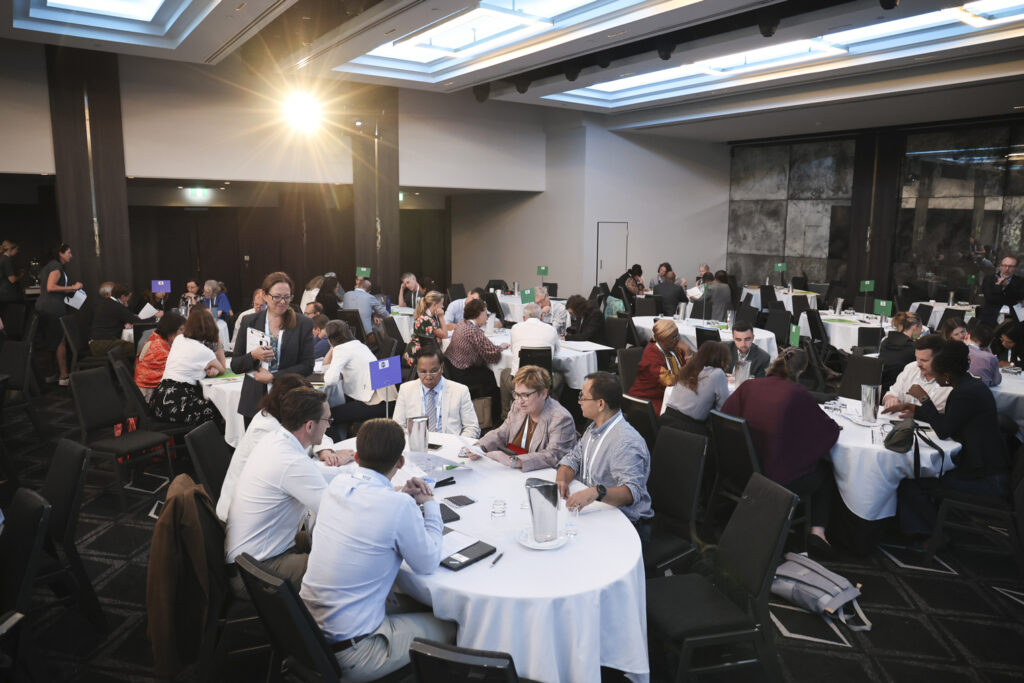
Scenario 3: Human: MedCycle –Antimicrobial Recycling Scheme
This scenario focused on the management of antimicrobial waste from human health, examining how unused and expired medicines contribute to environmental contamination and antimicrobial resistance. Participants explored a proposed intervention centred on a “Med‑Cycle” antimicrobial return system, using return kiosks located in pharmacies, clinical settings, and community spaces. The dual aim was to prevent antimicrobials from entering waste and wastewater systems, while also driving behaviour change around medicine use and disposal.
Across discussions, participants agreed that the concept was technically feasible but systemically challenging, with barriers cutting across income settings. In low‑ and middle‑income countries, a recurring constraint was that waste management is rarely a policy or budgetary priority, making implementation difficult without external support or strong political backing. In both low‑ and high‑income contexts, participants raised questions about who bears the cost including installation, operation, transport, and final disposal particularly where health systems are already under financial pressure.
Logistics emerged as a significant challenge. Space constraints in pharmacies and clinical settings limit where kiosks can be placed, while long‑term operation depends on reliable systems for collection, transport, and disposal, often requiring coordination across multiple public and private actors. Participants highlighted the complexity of maintaining such systems over time, including moving collected antimicrobials to appropriate incineration or disposal facilities and ensuring regulatory oversight across the supply chain.
Despite these challenges, the scenario generated strong agreement on enabling factors. Stakeholder engagement and co‑development were seen as essential, involving pharmacists, healthcare workers, policymakers, parents, and community members. Education and awareness were consistently identified as foundational, cutting across income settings, to ensure the system is trusted, understood, and used correctly.
Participants also emphasised the importance of piggybacking on existing programmes rather than creating entirely new systems. Aligning antimicrobial return kiosks with existing waste collection initiatives or community services was seen as a way to reduce cost and complexity. In low‑income settings in particular, immediate, tangible benefits were considered critical for uptake, including community pooling mechanisms, vouchers, or incentives that could be used locally. Framing the intervention as beneficial to households and communities rather than purely regulatory was seen as key.
Preparedness for scale‑up was another shared concern. Participants noted that volumes of unused antimicrobials could surge during outbreaks or epidemics, requiring buffer capacity and resilient supply chains to prevent system failure at peak demand.
Finally, discussion turned to measuring performance and impact. Suggested indicators included volumes of returned antimicrobials (by weight, tablet count, and antibiotic class), changes in prescribing and dispensing practices, programme costs and longer‑term return on investment, and shifts in knowledge, attitudes, and acceptance. While wastewater surveillance was acknowledged as complex, it was seen as a potential complementary signal if implemented carefully.
In summation, the scenario underscored that successful antimicrobial return systems depend less on technology and more on governance, incentives, integration, and trust. Preventing environmental contamination requires solutions that fit everyday health systems, deliver visible benefits, and are designed to scale sustainably rather than operate as isolated pilots.
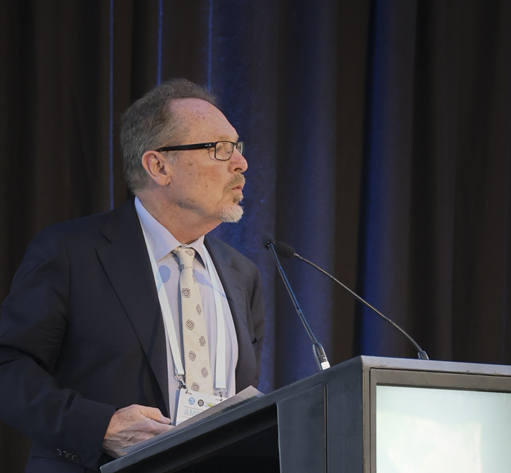
“There are two ways to deal with a waste problem. One is to address behaviour, and the other is to deal with it at a technical level. Those of us from highly technological countries tend to default to technology as the solution but it should be the last resort. The priority is to change the nature of the waste in the first place.”
David Graham, Research Professor, Durham University,;Visiting Professor, Chinese Academy of Sciences
Session 12 – AMR solution startups: Show me the money
AMR innovation is gaining momentum worldwide, yet the path from discovery to deployable solutions remains uneven. This panel brought together investor and ecosystem leaders from Australia, the USA, and India to examine challenges that cut across agtech, health, and life sciences — from incubators offering world‑class facilities but limited capital, to VC cycles shifting toward market‑centred models. Using AMR as a case study, the discussion explored where real commercial opportunity is emerging.
Summary
Session 12 shifted the AMR conversation from what innovation exists to whether it can survive. The discussion framed antimicrobial resistance not as a shortage of science, but as a failure of systems: misaligned capital, fragmented infrastructure, and weak hand‑offs between development stages. Despite unprecedented political visibility, priority pathogen lists, and scientific advances across diagnostics, therapeutics, vaccines, and alternative modalities, too many promising AMR companies stall before reaching patients.
Discovery to deployment
Across regions, there is strong research capability but uneven translation ecosystems that include world‑class laboratories without catalytic capital, incubators with physical assets but insufficient ‘soft infrastructure’, and early companies without access to experienced development guidance. At the same time, global venture capital has shifted toward faster, clearer value creation, and philanthropic and public funding is tightening. Together, these forces mean AMR ventures must now articulate not only scientific merit, but a credible, investable pathway much earlier.
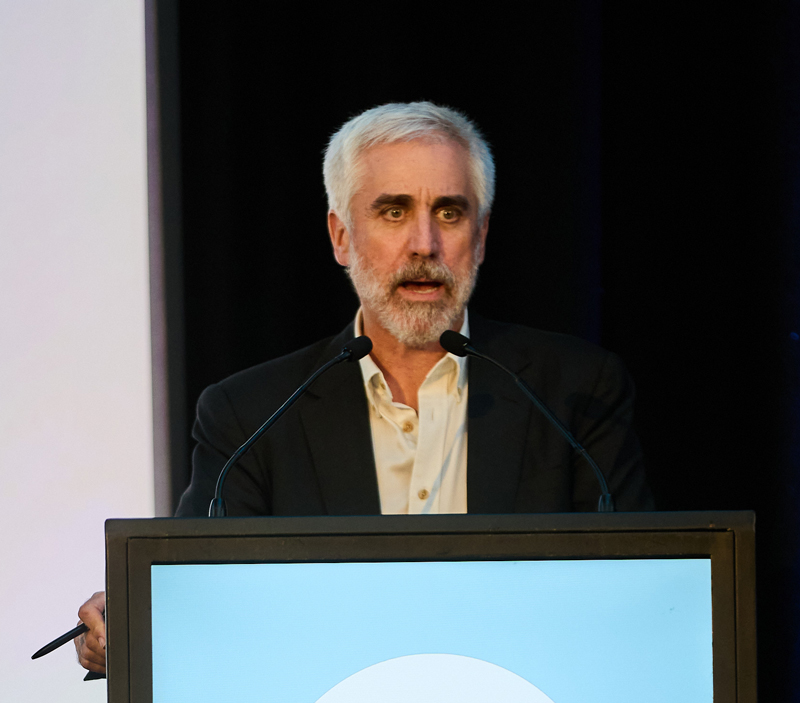
“It’s not a pipeline problem; it’s a systems problem. Innovation without deployment is just aspiration, capital without coordination is inefficiency, and infrastructure without flow doesn’t translate to impact.”
Henry Skinner, CEO, AMR Action Fund
The session contrasted different ecosystem models across India, the United States, and Australia. This matters for policy coherence and for lowering downstream adoption and market risk. One recurring insight was the value of early, sustained government engagement. In India, innovation has been deliberately embedded within national AMR architecture. By aligning incubators, funders, regulators and implementing agencies from the outset, solutions are developed with adoption in mind, thereby reducing the risk that validated technologies stall at approval. This approach positions innovation not only for domestic integration but for relevance across comparable global settings where the burden of AMR is highest.
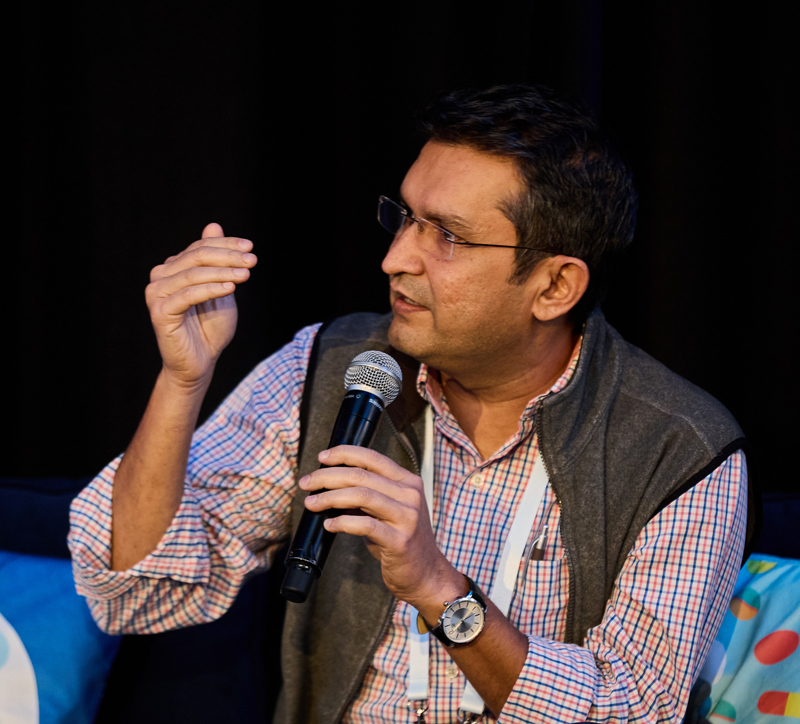
“What matters to us is solving the problem, not who solves it. Government sitting at the table from the beginning changes everything—validation, adoption, and scale become possible.”
Taslim Saiyed, CEO and Director, C-CAMP
From a funder and accelerator perspective, the discussion emphasised that money alone is insufficient. Early AMR companies rarely have the internal capabilities required to move from discovery to product, which includes process development, regulatory strategy, clinical design, manufacturing, and market differentiation. Large pharmaceutical companies once provided this training ground by default; their exit has left a knowledge vacuum. Effective infrastructure now requires wrap‑around support that turns scientists into product developers and helps teams design assets that regulators will approve, clinicians will adopt, and investors can back.
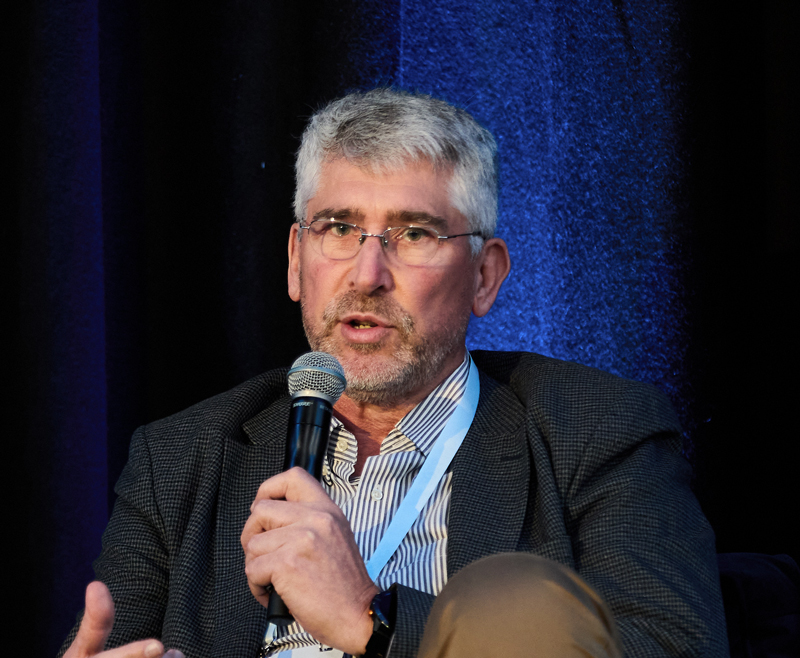
“You can have a great horse or a great jockey, but you need both. No matter how good the science is, if teams don’t understand how to translate it into a product regulators and clinicians will use, it won’t get there.”
Richard Alm, Chief Scientist and Interim Chief of R&D, CARB-X
Commercial investment does appear in AMR, but only when companies move beyond ‘cool science’ and unmet need as their core proposition. Investors look for clear differentiation, teams that blend development and commercial capability, and early line of sight to partners and exit pathways. Unlike some therapeutic areas, where a ‘better mousetrap’ can attract longer‑term private capital, most AMR therapeutics cannot rely on venture funding alone to reach registration. Instead, viability depends on stacking non‑dilutive funding, product‑development know‑how, and early downstream alignment so promising assets keep moving rather than stalling between stages.
The scale of this challenge is visible even in mature support systems. Over the past decade, C‑CAMP has backed more than 70 AMR innovations, demonstrating the depth of early‑stage science. At the next stage, CARB‑X has deployed nearly US$700 million across 123 projects in more than 14 countries. Interestingly, applications from universities, which comprise approximately 18 per cent of the total, have the lowest success rates. The constraint is not idea generation, rather it’s converting discovery into products that investors, regulators, and health systems can take up.
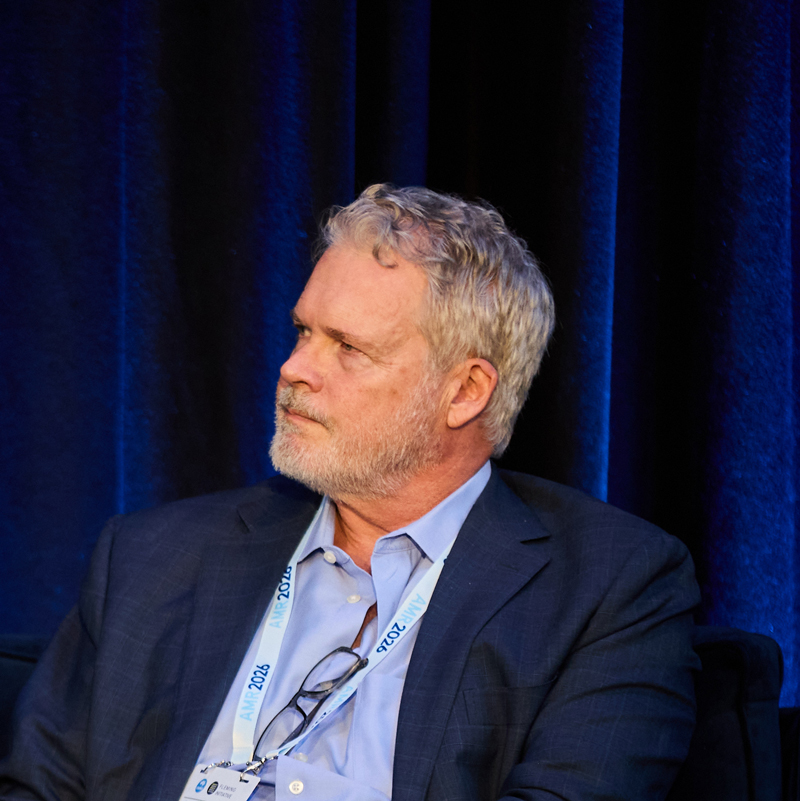
“This is one of the hardest spaces to invest in, but the timing is changing. If you’re differentiated, have the right team, and a credible path to a partner, AMR can be financially investable—but only for a narrow slice.”
Steve Burnell, Managing Director, Tenmile and Senior Strategic Advisor, Minderoo Foundation
Looking ahead, continuity and flow emerged as critical success factors. Assets that pause too long between stages lose momentum, relevance, and ultimately patent life. Sustainable AMR ecosystems therefore depend on seamless hand‑offs between incubators, push funders, commercial investors, and late‑stage partners.
The session concluded that solving AMR requires deliberate ecosystem design where discovery, capital, and deployment are integrated from the outset. Progress will depend less on any single funding instrument and more on whether institutions collaborate to move fragile innovations continuously toward patients.
Actions and considerations for follow‑through to 2029
- Embed adoption early: Design AMR innovation programs with government, regulators, and implementers involved from ideation to reduce downstream adoption risk.
- Strengthen soft infrastructure: Prioritise funding for development expertise that includes regulatory, clinical, manufacturing, and commercial experience, not just laboratory capability.
- Enable continuous hand‑offs: Align incubators, push funders, and investors to co‑design milestones and avoid capital gaps that stall assets.
- Engage investors earlier: Create structured pathways for commercial investors to observe and guide ventures pre‑investment, without forcing premature funding decisions.
- Focus on investable subsets: Target support toward clearly differentiated products with defined use cases, partners, and pathways to sustainable deployment.
Session 15 – From grants to growth: Building investment-ready AMR solutions
Backed by over $1.5M in non-dilutive, milestone-driven funding and commercialisation support through CUREator, two Australian AMR ventures—Oto Medicines, a novel probiotic nasal spray to cut antibiotic use in childhood infections, and Kraken Coding, a SaaS platform guiding better prescribing—are now facing the real translational test: attracting follow-on investors. This conversation goes beyond grants to unpack positioning, evidence, and what makes AMR solutions truly investment-ready.
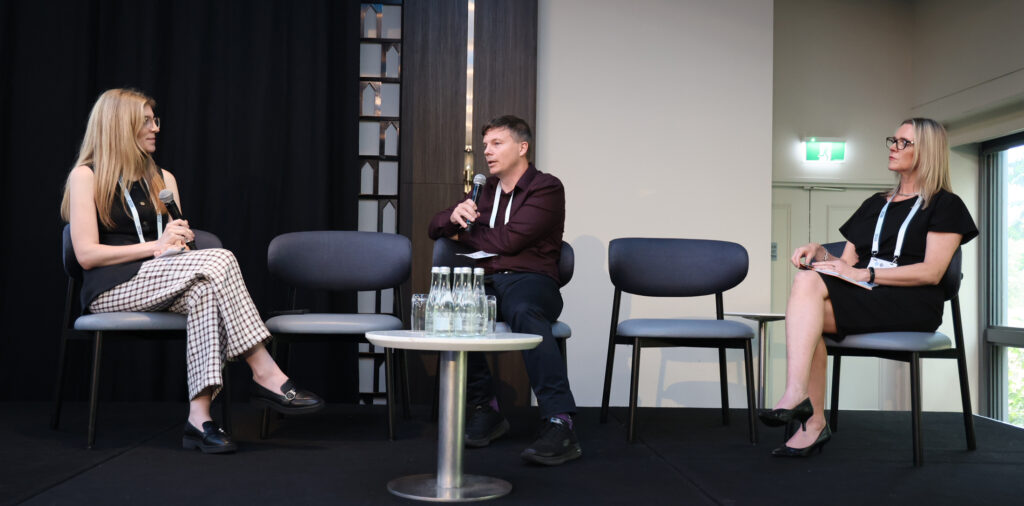
Summary
CUREator is a national life sciences incubator delivered by Brandon BioCatalyst, a collaboration of more than 55 Australian and New Zealand medical research institutes, universities, governments, CSIRO and CSL. Operating nationally, CUREator deploys public funding, principally from the Medical Research Future Fund, using an investor‑like model.
CUREator manages just under $180 million across seven programmes, including one supported by CSIRO that is dedicated to AMR, to bridge the translational gap between research and investment readiness. It provides significant non‑dilutive, milestone‑based funding ($500,000–$5 million), access to local and international expertise, investors and industry partners, and hands‑on project management. Programmes are designed around industry gold standards and investment‑relevant endpoints, supporting rigorous evidence generation alongside clear commercial plans.
In five years, CUREator has backed 67 projects, created 28 companies, committed over $75 million, and catalysed more than $220 million in private capital.
From ears to steers
Lea-Ann Kirkham introduced Oto Medicines, a recent spin‑out from the Kids Research Institute Australia, developing a preventative therapy for childhood ear infections which, globally, is the leading reason antibiotics are prescribed to children. Almost all children experience an ear infection by age two, with one in four developing chronic or recurrent disease. Current treatments rely on repeated antibiotics and surgery, yet are often ineffective because the primary pathogen, non‑typeable Haemophilus influenzae (NTHi), is frequently antibiotic‑resistant, either intrinsically or through biofilm formation that renders antibiotics ineffective. The burden is substantial: US estimates indicate annual costs of around US$5 billion for antibiotics and surgery alone, excluding broader social and economic impacts on families. Oto Medicines’ lead product, Spritz OM, uses a ‘friendly’ bacterium delivered intranasally to prevent infection through competitive colonisation and immune activation, with preclinical studies demonstrating safety and efficacy. Kirkham emphasised that preventing infections upfront can significantly reduce antibiotic use and contribute to minimising AMR. She highlighted CUREator’s role in supporting early CMC (Chemistry, Manufacturing & Controls) and manufacturing readiness, enabling the program to advance to a clinical‑stage asset now entering Phase I trials.
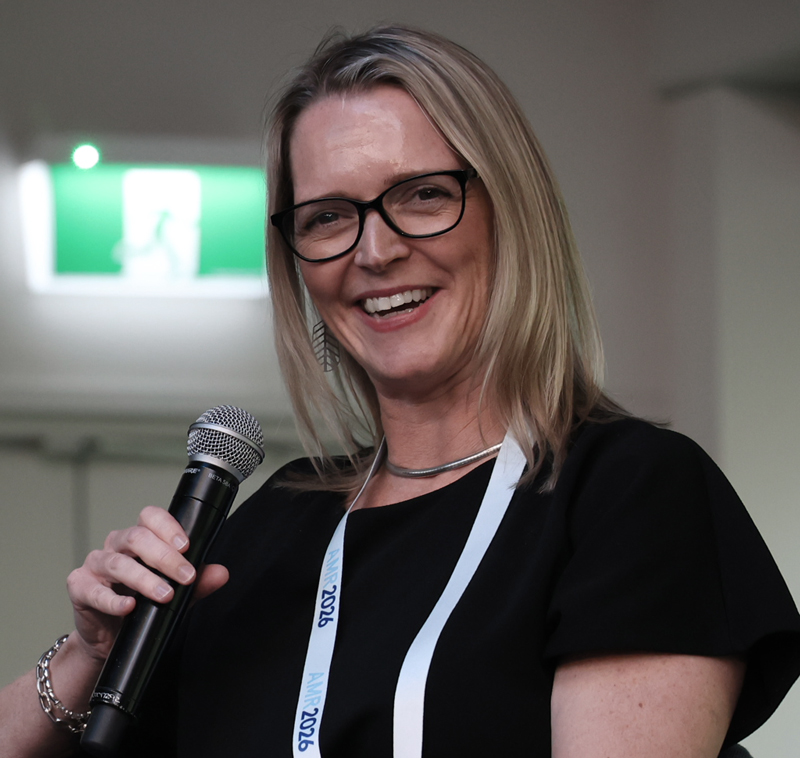
“Just because you can grow it in the lab does not mean it translates to CMC.”
Lea-Ann Kirkham, Infectious disease research microbiologist, The Kids Research Institute Australia / Oto Medicines Pty Ltd
John Shanks described how his experience as an antimicrobial stewardship pharmacist in remote Northern Australia led to founding Kraken Coding. Confronted with high antibiotic use, transient staff, and unwieldy guidelines, he developed Clinical Branches, a decision‑support platform that converts lengthy guidelines into simple, question‑based clinical pathways while generating high‑value prescribing data. With CUREator support, Kraken Coding achieved medical device certification in Australia, Canada, and the United States through the Medical Device Single Audit Program, alongside ISO 13405 and multiple cybersecurity certifications. Funding also enabled development of a native mobile application that functions in low‑connectivity settings, supporting clinicians in remote locations. The platform now includes the world’s first Class II vancomycin AUC (area under the curve) calculator, offered as freeware, and underpins machine‑learning models to improve dosing, identify unwarranted variation and inform future guideline updates
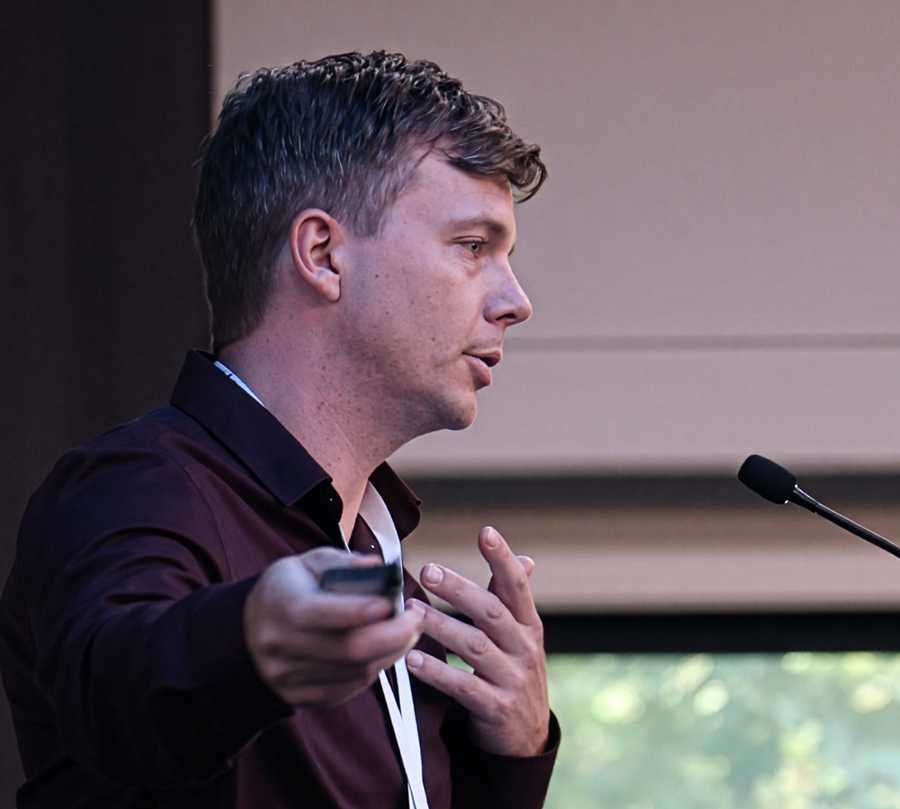
“Nobody wants to do the wrong thing; our job is to make the right thing easy … the Australian therapeutic guidelines pneumonia section is 27,000 words. You can’t remember this. You can’t interrogate this.”
John Shanks, Founder, Kraken Coding
Actions and considerations for follow‑through to 2029
- Align evidence generation with investment decision points, ensuring early programs produce data that directly supports Phase I translation, CMC readiness, and partner due diligence.
- Introduce commercial discipline early, using milestone-based funding, accountability frameworks and clear go / no-go gates to accelerate investment readiness.
- Build integrated teams around a shared endpoint, bridging research, manufacturing, regulatory and commercial expertise to maintain focus and execution pace.
- Design AMR innovations for sustainability, pairing public-health impact with scalable business models that demonstrate long-term value to investors and health systems.
- Leverage data as a value-creation asset, using real-world clinical and operational data to reduce uncertainty, attract partners, and inform future scaleup.
Session 16 – Applying the precision medicine paradigm to AMR
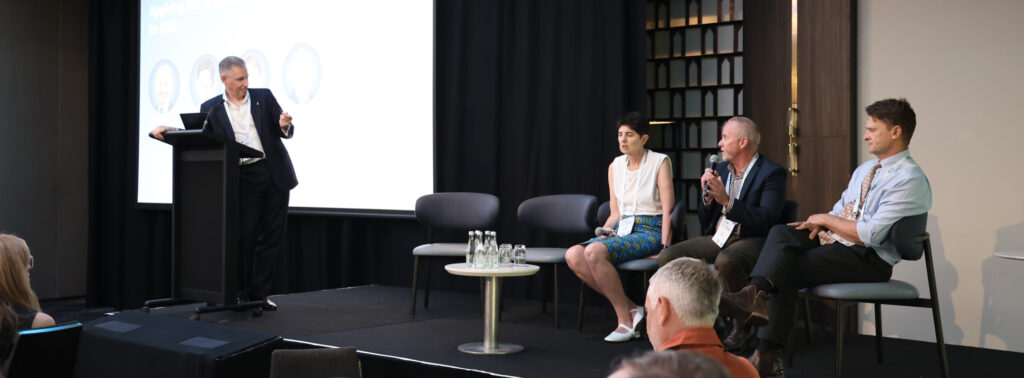
What if infections were treated with the same diagnostic precision as cancer? This session examined the assumption that broad-spectrum, empiric prescribing is unavoidable, and asked how targeted diagnostics, risk-stratification, and tailored therapies could shift AMR care. Panellists unpacked market and diagnostic barriers, the economic cost of failure, and why a precision-driven stewardship model may offer a more effective path forward.
Summary
The session began by describing the UK’s PACE programme. It was presented as an international initiative designed to make precision medicines for AMR real by combining molecular targeting, resistance targeting, and diagnostics so developers can quickly determine, if a therapy will work. The approach mirrors oncology’s paradigm shift: using diagnostics to reduce uncertainty, align development to a clear target product profile, and then connect successful candidates to investment and wrap‑around support. Since inception, PACE has raised £30 million, issued three international calls, attracted around 500 applications, and taken 40 companies through a 10‑week programme spanning product definition to R&D planning. To date, 17 teams have received up to £1 million each in development funding alongside technical enablement, reframing AMR from a market failure to a credible precision development pathway.
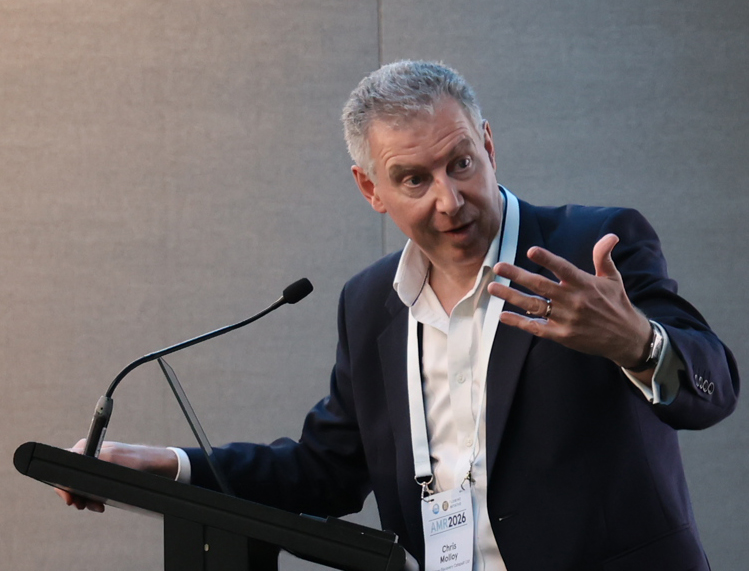
“This is about planting a different seed for AMR. Precision medicines paired with diagnostics, so you know your drug is going to work, and then valuing that properly, rather than telling patients they’re going to die of a market failure.”
Chris Molloy, CEO, Medicines Discovery Catapult
Prediction to precision
The panel discussion was based on the premise of how the antimicrobial development story could shift from broad-spectrum, late certainty, and market failure to precision, earlier certainty, and system value, borrowing deliberately from oncology’s last two decades of molecular diagnostics and targeted therapeutics. The panel treated precision not as a niche alternative to stewardship, but as a pragmatic way to reduce uncertainty: knowing faster what is causing infection, what will work, and what risk sits in a patient’s microbial ecosystem so clinicians can move more quickly from empiric, broad‑spectrum antibiotic use to targeted therapy, reducing unnecessary drug exposure and limiting collateral damage.
A core theme was that oncology’s shift did not arrive fully formed; it was a long build that eventually reached a tipping point. The discussion recalled how therapies that once looked impossibly expensive became normalised once they moved care from hospital-bound, high-risk pathways to more predictable outpatient treatment, and once clinicians, patients, and industry aligned behind a clear scientific logic and a viable development pathway. The panel’s argument was not that AMR can copy oncology point-for-point, but that AMR can adopt the logic of that transition: pair better diagnostics with therapies designed to work against defined targets and then value them accordingly.
The conversation also surfaced the different ‘felt experience’ of risk. Cancer risk-benefit is immediate and visible whereas antimicrobial resistance is often framed as diffuse, future, or ‘system-level,’ which can make it harder to mobilise political will and harder to reconcile the competing duties of treating the individual in front of you versus protecting the wider ecosystem. That tension, described as a clinician’s paradox, was presented as a practical barrier to precision AMR unless health systems intentionally design decision-support, incentives, and pathways that allow clinicians to do both: rescue the patient now while actively managing the microbial environment that shapes future risk.
As technical uncertainty falls, the panel argued that the limiting factor shifts from can this be done to how the system values and pays for it. Bioinformatics, sequencing, and analytical tools facilitate the characterisation of pathogens and resistance mechanisms, and the session repeatedly returned to the potential of rapid diagnostics measured in hours rather than days. Fast, actionable information would change not only the initial therapy choice, but also how quickly clinicians can step down from empiricism to targeted care, reducing collateral damage while maintaining safety for critically ill patients. The discussion also broadened ‘precision’ beyond the infection moment to a lifecycle view. This includes predicting who is likely to respond, anticipating resistance patterns, and understanding host factors that shape outcomes.
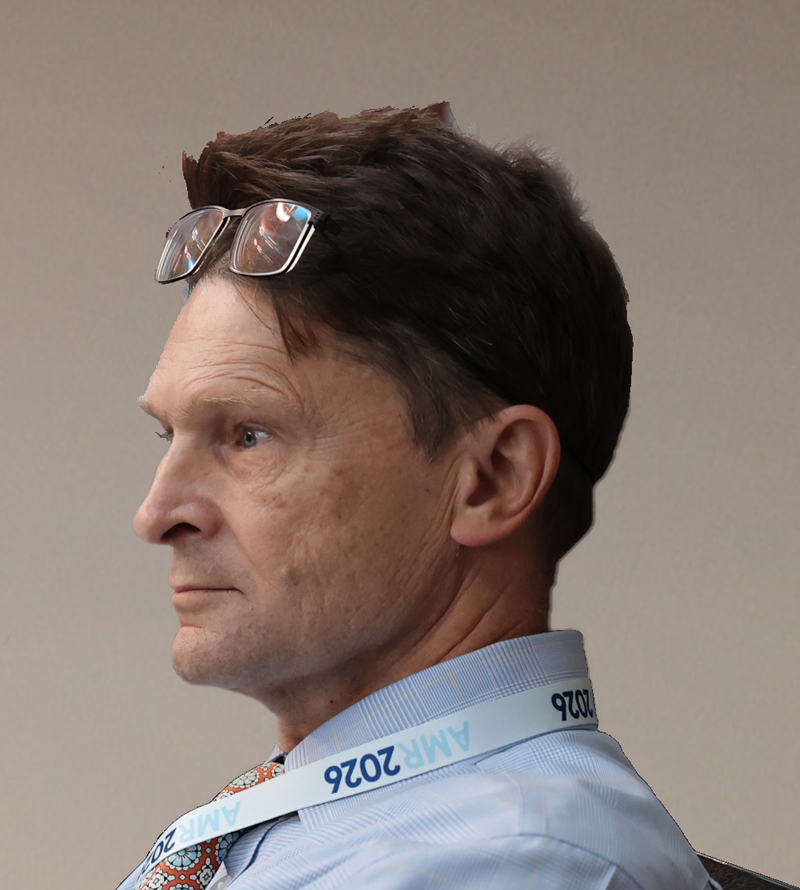
“You don’t actually need to throw the kitchen sink at someone who’s critically ill unless you’ve got no idea about their ecosystem—but you can know that. You can absolutely know that.”
Jon Iredell, Director, Centre for Infectious Diseases and Microbiology, The Westmead Institute for Medical Research
A second practical barrier was how value is recognised and paid for. The discussion contrasted the relatively established logic for reimbursing high-value, low-volume therapies in rare/orphan conditions with the persistent undervaluation of antibiotics. They noted that Australia already sees significant use of special access pathways for antibiotics that are not otherwise available, illustrating a mismatch between clinical need and product availability. The panel explored whether the sector is asking the wrong question when it assumes a traditional large-market pharmaceutical model must deliver solutions. Instead, they framed AMR as health-system protection and risk management, suggesting that sponsorship models involving biotech, consortia, and public purpose investment may be better aligned than expecting conventional company blockbuster drug economics to hold.

“Most major companies have moved their focus elsewhere, but that doesn’t mean the need isn’t there. It means we need a different sponsorship model to get these medicines (antimicrobials) developed.”
Robyn Ward AM, Deputy Vice-Chancellor (Research and Enterprise), Senior Vice-President, Monash University
Finally, the panel emphasised that precision AMR is bigger than individual patients: it is tied to hospital safety, the viability of complex care (including oncology), and broader national and regional security. The session’s glass half full conclusion was not naïve optimism; it was a claim that a breakthrough becomes more likely once diagnostics, development pathways, and reimbursement logic are brought into the same frame, and once the narrative shifts from inevitability to intentional design.
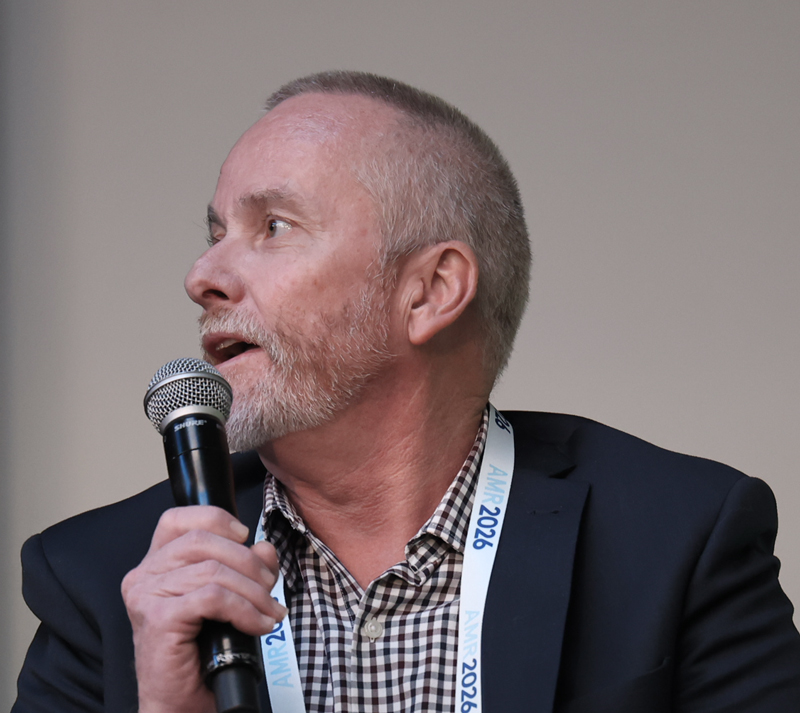
“The patients that are living today… are taxpayers. They’re productive people in the workforce and so there’s a very good argument to the government to say this is a good thing to do to invest in this.”
Ian Black, CEO, Omico
Actions and considerations for follow‑through to 2029
- Prioritise ‘hours not days’ diagnostics: identify one to two near-term pathways (procurement, evaluation, clinical workflow) to accelerate adoption of rapid tests that enable earlier narrowing and de-escalation.
- Define precision AMR value propositions for payers: build an HTA-ready narrative that includes productivity, avoided downstream costs, and health-system protection, not only drug acquisition cost.
- Pilot ecosystem-informed stewardship in high-risk settings (ICU, haematology/oncology): integrate risk stratification, local resistance mapping, and decision support to reduce empiric exposure.
- Create new sponsorship structures for AMR medicines, in which governments and multi‑partner consortia act as active product sponsors (supporting development rigor, trials, and access) rather than remaining passive payers at the end of the pipeline.
- Make AMR tangible in hospital safety and complex care: communicate AMR as a prerequisite for successful cancer care and other immunocompromised pathways, linking precision antimicrobials to continuity of modern medicine.
Session 17 – From pitfalls to potential: AMR R&D strategies in LMIC and HIC markets
A fast‑paced, game‑show style session that used live polling to test assumptions about AMR product development, launch pathways, and stewardship. Rapid‑fire scenarios revealed how context, not simply income level, shapes trial strategy, diagnostics, deployability, and uptake, and why access and ethics cannot be separated from surveillance and innovation.
Summary
Session 17 used interactive audience polling to surface practical failure points in AMR innovation, where good science can still fall over because the development pathway, the launch market, or the real‑world setting has been misread. Across stewardship, clinical development, diagnostics, agriculture, and vaccine rollout strategy, a consistent message emerged: access and feasibility determine impact. The panel also challenged a Western‑centric default in launch planning, arguing that high‑burden settings can be not only the moral imperative, but the most realistic route to evidence, uptake, and scale.
Assumptions, assessments, and evidence
The session opened by asking what most limits antimicrobial stewardship in LMICs compared to high‑income settings. The consensus was blunt: without access to fit‑for‑purpose antibiotics, stewardship becomes an abstract ideal rather than an implementable practice. Audience reflections reinforced that clinicians are forced into suboptimal prescribing when essential options are missing. The discussion then pushed further: surveillance that identifies resistant infections without a pathway to treatment risks becoming ethically indefensible, particularly for patients with infections resistant to reserve antibiotics.

“We can’t have stewardship without access to effective antibiotics.”
Andrew Bowskill, Co-chair, AAMRNet, and Director of QLD Stakeholder Engagement, MTPConnect
When the room turned to why empirical therapy is so common in Global South hospital settings, the driver was framed less as clinical capability and more as diagnostic absence—limited access to timely testing, culturing, pathology, and affordable tools that can guide narrowing decisions. The implication was practical: without rapid, low‑cost diagnostics, stewardship messages collide with clinical reality, and broad‑spectrum prescribing persists as risk management.
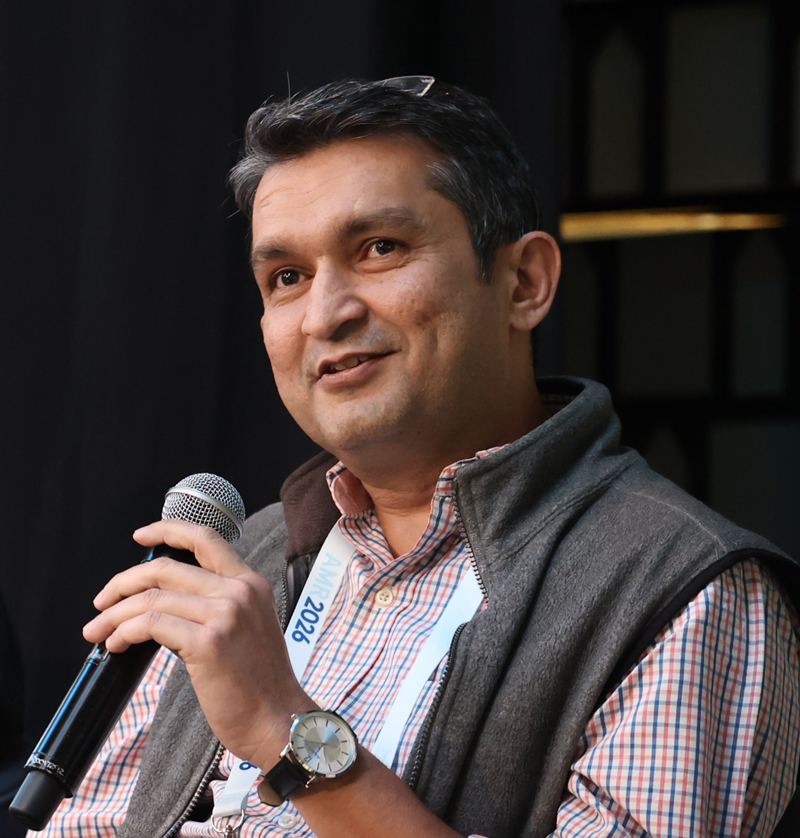
“The Global South badly needs tests … without a delay and without much cost so that people can get appropriate antibiotics rather than broad spectrum, empirical therapy.”
Taslim Saiyed, CEO and Director, C-CAMP
For non‑traditional agents, the session highlighted how trial design and patient population selection are inseparable: even an elegant protocol fails if the study cannot reliably find the population where benefit will be visible and persuasive. The discussion then widened into deployability, particularly formulation and cold‑chain constraints. A key point was that these constraints shouldn’t be discovered at launch; they must be incorporated early in design planning, as product characteristics that determine where an innovation can realistically be used.
Agricultural antibiotic use was framed through a food‑security and feasibility lens. The poll outcome pointed to affordability: farmers often lack the funds for credible alternatives, making antibiotics the default risk‑management tool. In highly fragmented smallholder systems, farm sizes can be around one hectare, compared with vastly larger operations in countries like Australia. That fragmentation amplifies vulnerability: a single outbreak can wipe out a season’s income, leaving little room to absorb losses during transitions to lower‑antibiotic production models. The implication for One Health action is that reducing agricultural antibiotic reliance requires scalable, cost‑effective alternatives, not messaging alone.
Using a hypothetical gonorrhoea vaccine and a novel antibiotic scenario, the session explored how launch decisions shape evidence generation and adoption. For vaccines, the argument favoured strategies that maximise uptake and implementation feasibility and then generate real‑world evidence that drives broader policy diffusion. For therapeutics, the session explicitly challenged the assumption that the US or EU should be the default first market: high‑burden settings like India were presented as offering large target populations, increased ability to pay, manufacturing advantages, and the opportunity to prove value in the “hardest battleground”. This was supported with India‑based figures: 60 million hospital admissions and five million MDR infections annually; even five percent uptake would equate to roughly 250,000 patients.

“If you go for the early adopters, you start generating evidence on duration of protection, clinical efficacy and impact, and that drives adoption elsewhere.”
Jenny Herz, Co-founder, Biointelect and Biocelect
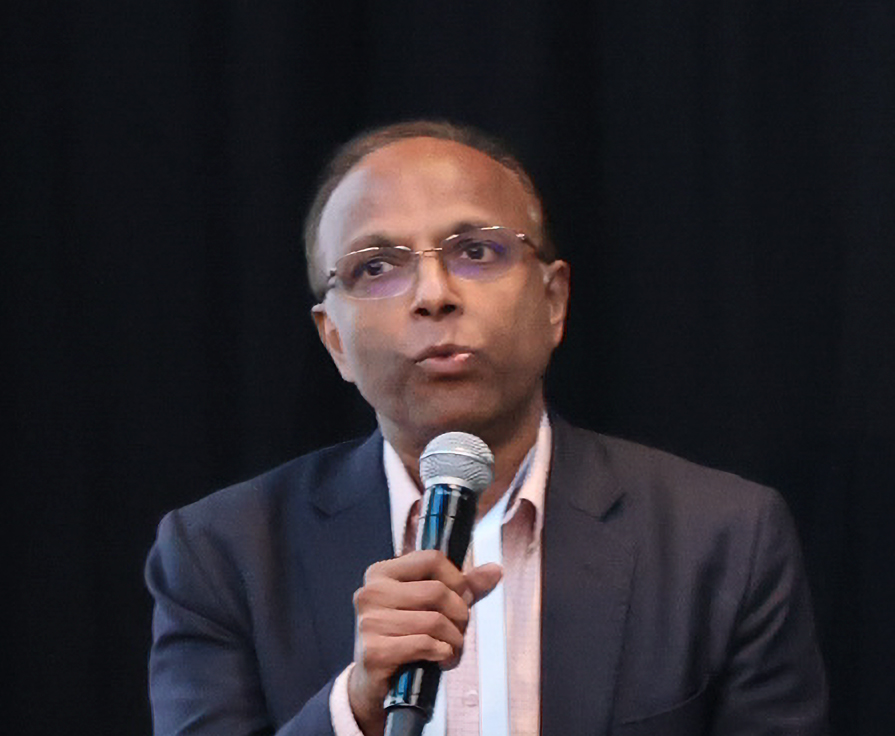
“The India that you guys know through a Western lens has completely changed in the last 15 years … We have people who are willing to pay $2,000, $3,000 for an antibiotic treatment, and suddenly the numbers stack up.”
Anand Anandkumar, Co-founder, CEO of Bugworks
The session repeatedly returned to the human reality beneath development pathways and market logic: in severe illness, patients and families care about availability and effectiveness, not provenance. Closing reflections also stressed that progress depends on collaboration across sectors and geographies, and that the current moment, where this is greater policy attention, emerging incentives, and Global South leadership, creates a window for coordinated action.

“When your mother or your child is sick, you don’t care who’s made the drug. You just want it to be there.”
Richard Alm, CARB-X
Actions and considerations for follow‑through to 2029
- Link surveillance ethics to access: Pair surveillance expansion with credible pathways to equitable access for optimal therapies, so detection and treatment move together.
- Design for deployability: Build LMIC‑relevant characteristics (e.g., formulation stability, minimal cold‑chain dependence) into product design before clinical stages.
- Prioritise diagnostics as stewardship infrastructure: Invest in rapid, affordable tests that reduce empirical prescribing and enable targeted therapy in high‑burden settings.
- Rethink first‑launch markets: Consider high‑burden, rapidly shifting markets (e.g., India) for early uptake and evidence generation, rather than defaulting to Western pathways.
- Make agricultural transitions economically viable: Develop and fund cost‑effective, context‑fit alternatives that work for fragmented smallholder systems and protect food security.
- Build cross‑sector collaboration by design: Strengthen ties across human, animal, and environmental health to reduce fragmentation and improve adoption pathways.
Read the other AMR 2026 reports
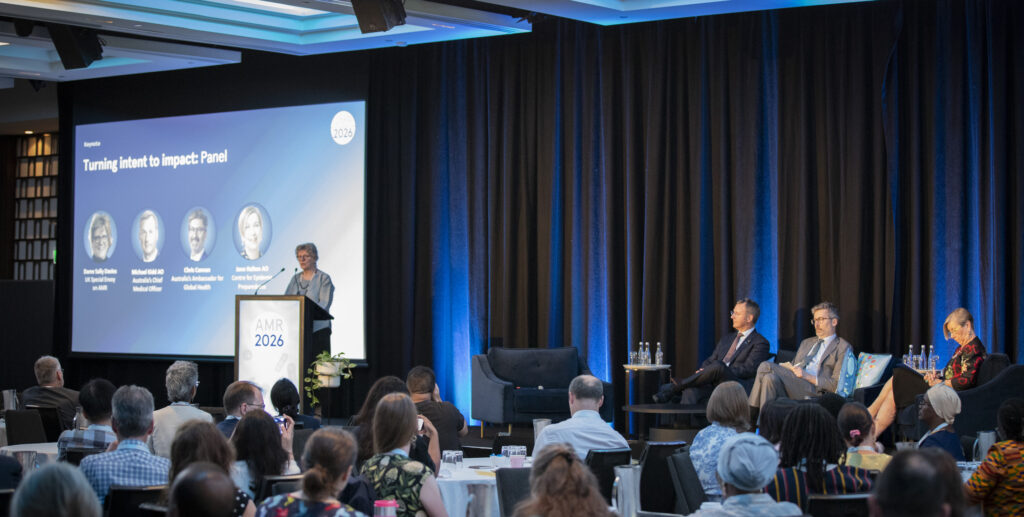
Theme 1: Political declaration: from ink to implementation
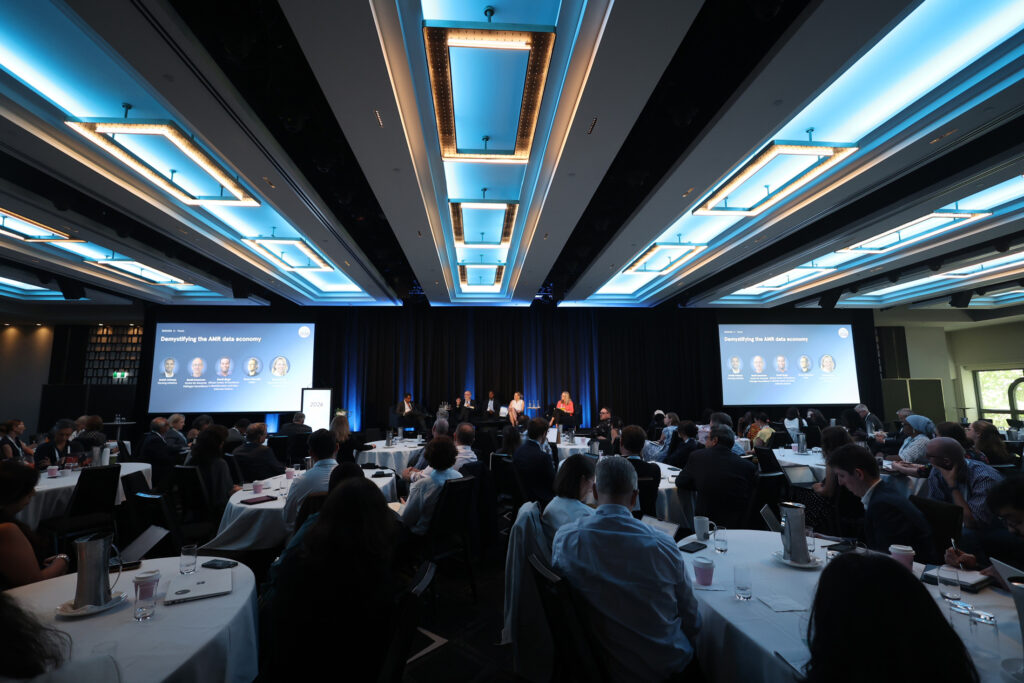
Theme 2: Data for decision-making
Theme 3: Investing through an AMR lens
Theme 4: Standards, stewardship, and support
Theme 6: Consumers, communications, and campaigns

Theme 7: Evidence, equity, and economics
Theme 8: Early education