- Day 3 Breakfast – Mentors, momentum, and AMR: Insights from emerging leaders
- Session 22 – Lessons in AMR: Harnessing the power of global expertise for curricula and countries
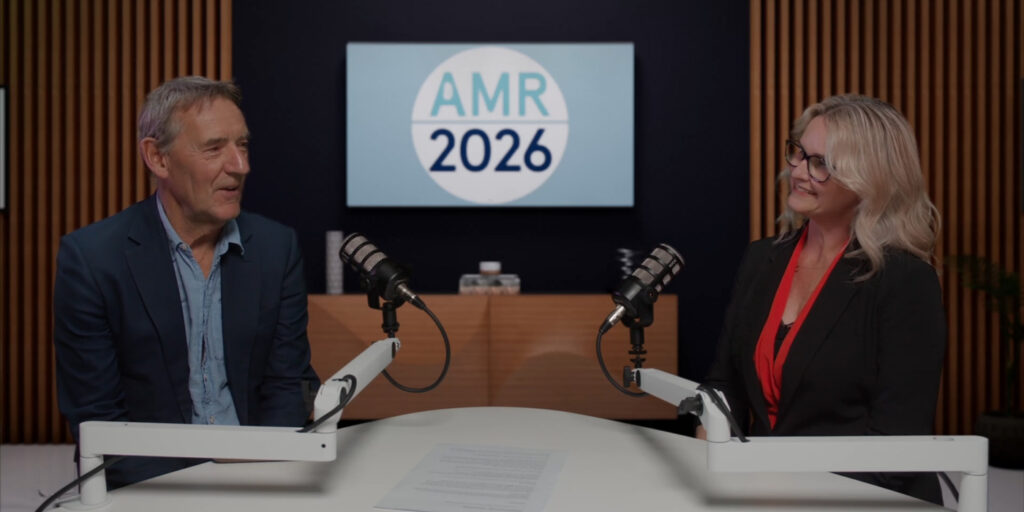
Day 3 Breakfast – Mentors, momentum, and AMR: Insights from emerging leaders
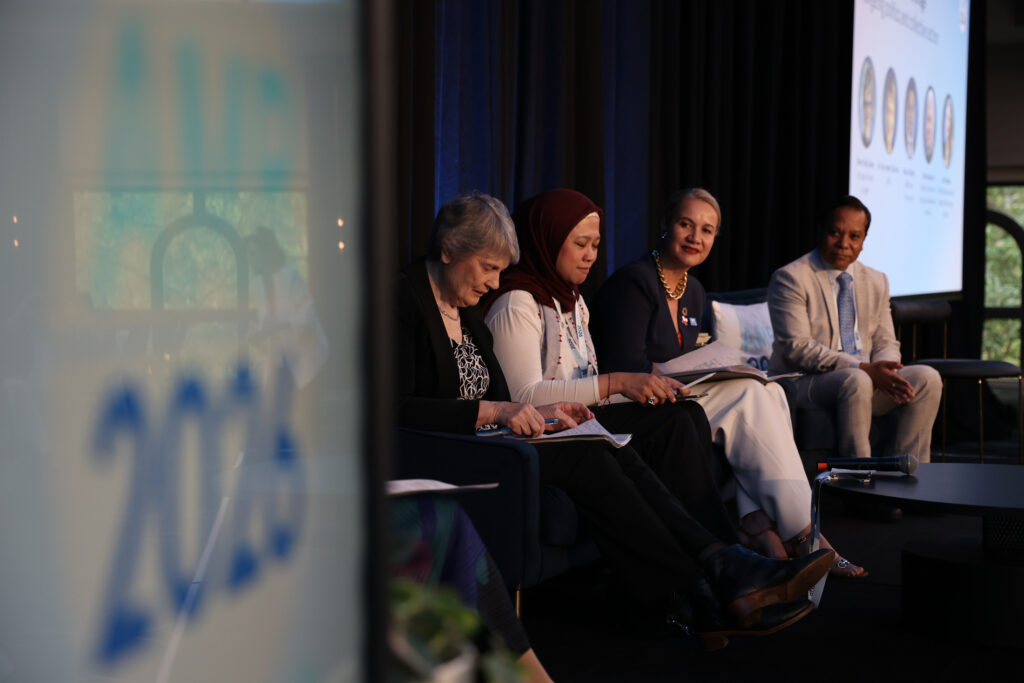
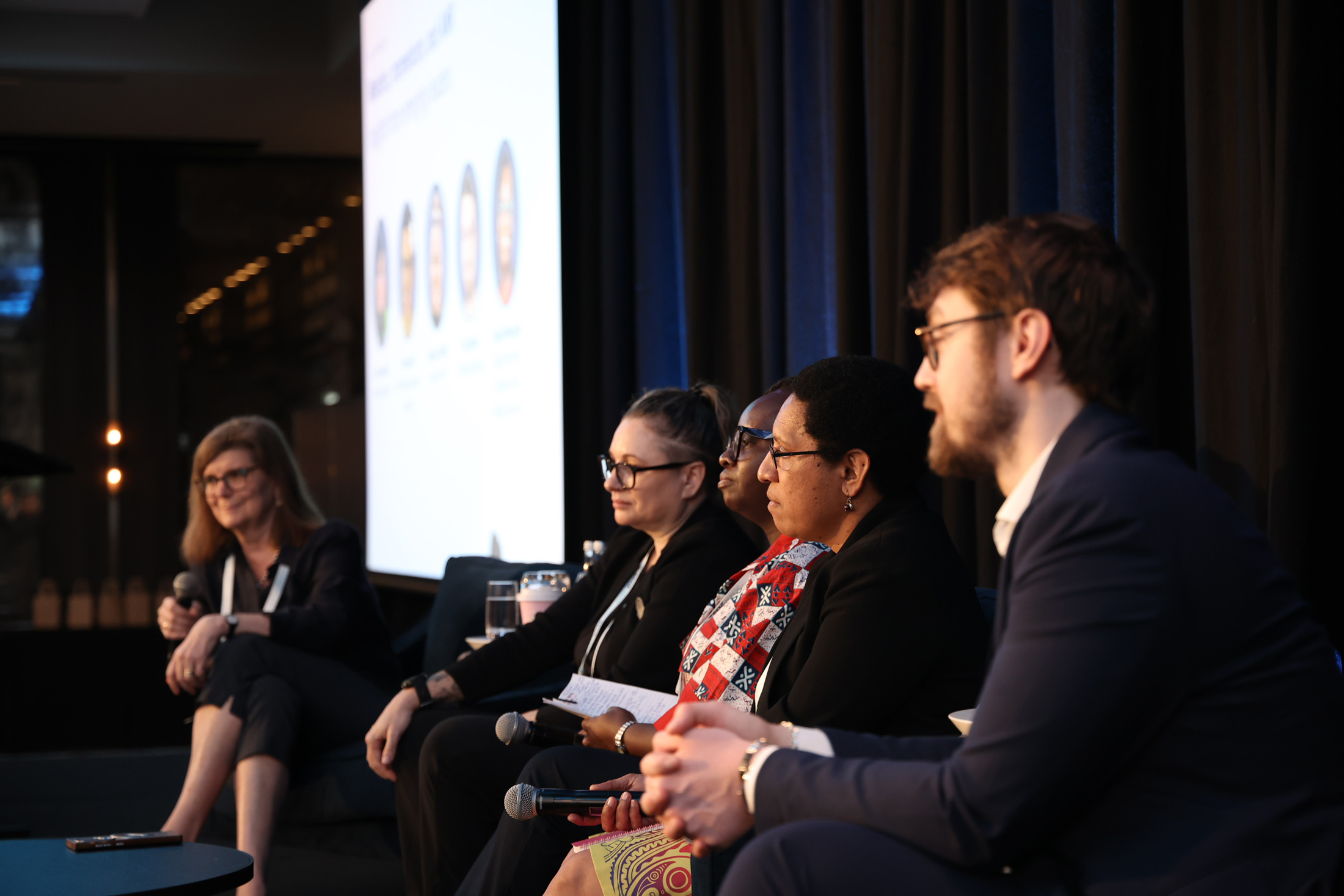
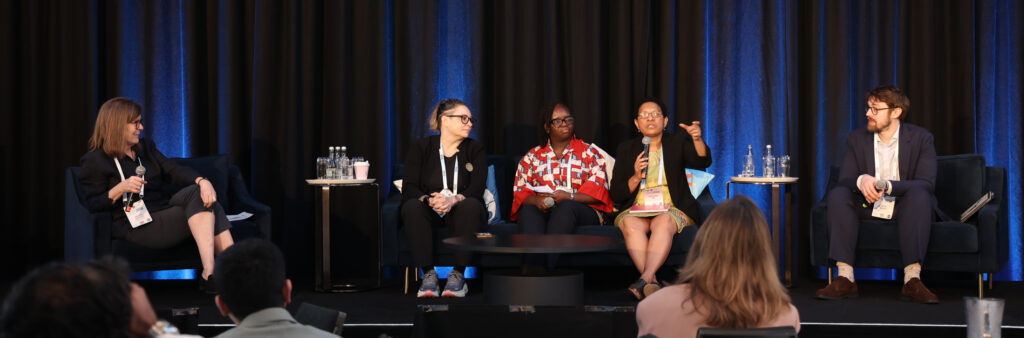
This panel provided candid insights from emerging and existing AMR leaders shaping policy, research and practice across continents. In a lively breakfast conversation, they shared the mentors who opened doors, the persistence it took to be heard, and the cultural barriers and enablers that shaped their journeys.
Summary
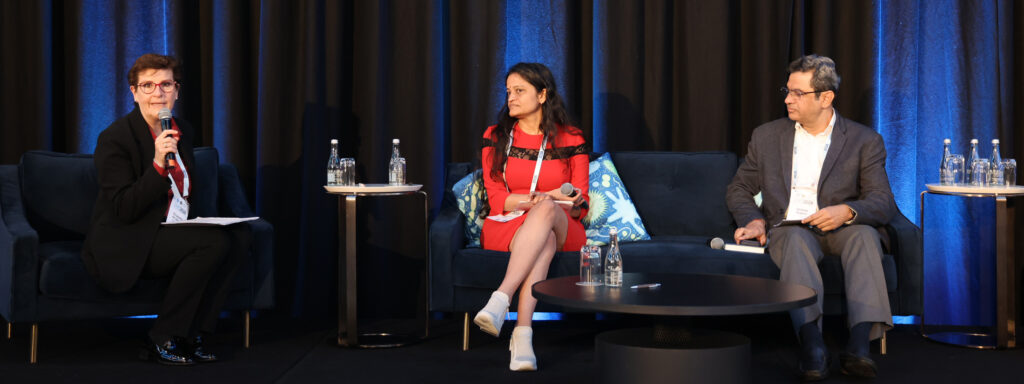
Alison Holmes steered the conversation beyond career highlights to the harder realities of AMR leadership: the moments people wanted to quit, how they navigated being seen as difficult, and how they mentor others without creating replicas of themselves. She repeatedly returned to the fragility of AMR career pathways that includes patchy funding, unfunded roles, and slow progress, and emphasised the need to make a clear economic and political case while building a supportive community so the field does not lose expertise.
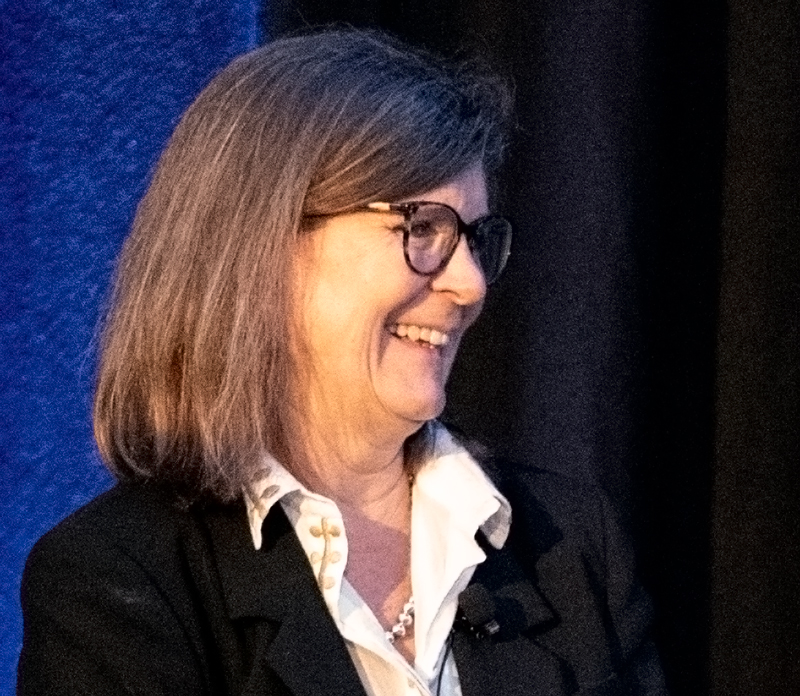
Alison Holmes: “I hope I made it clear at the beginning that this title of emerging leaders … take it with a grain of salt because everybody has emerged here”.
Kalinda Griffiths
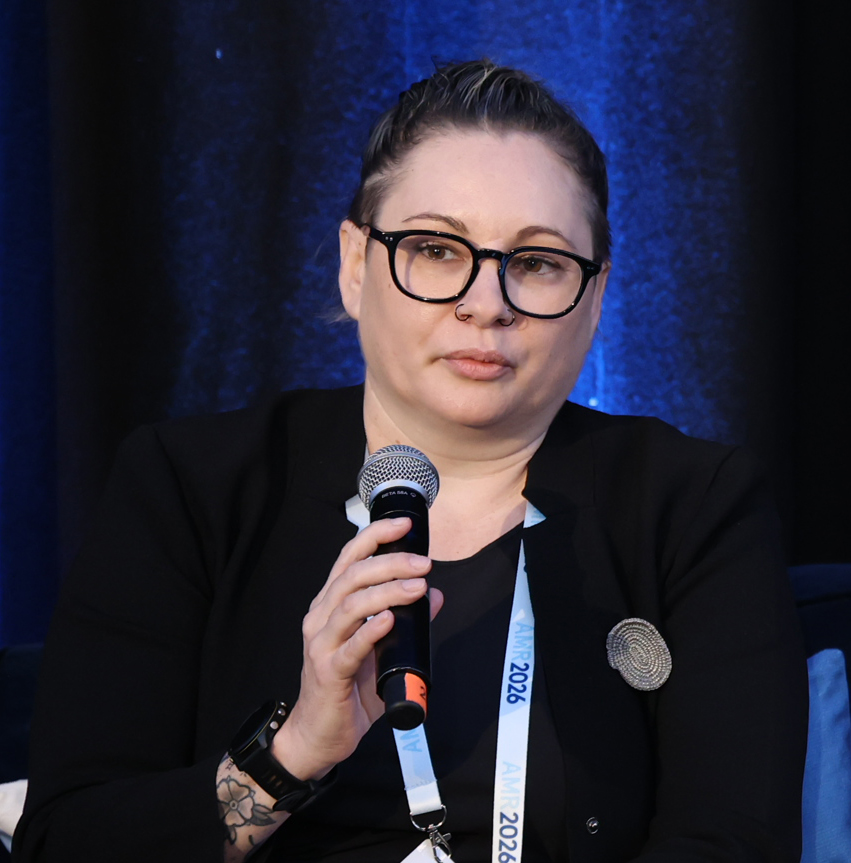
A Yaru woman from Broome and a cancer epidemiologist, Kalinda shared her journey from starting as a 17-year-old trainee in 1997 to becoming the Director of POCHE SA-NT at Flinders University, which is one of five research institutions for Aboriginal health in Australia . She highlighted the transformational patience of her mentor, Joan Cunningham, who she met when she was 17 and who waited in the wings until Kalinda was ready to enrol in university: a decision sparked the day she found out she was pregnant, right after reading a pivotal paper on education and life expectancy.
Describing herself as a ‘collector of mentors’, she relies on both academic peers and community members to navigate the complexities of Indigenous data governance. Kalinda spoke candidly about the need for persistence, noting that despite securing over $50 million in grants, it took repeated efforts and encouragement from her inner circle to finally land an NHMRC Leadership Fellowship. When asked about being difficult, she described her strategic diplomacy, noting,
“I recognise that the work that I undertake is a diplomatic mission. So, I have to dance between a couple of different worlds”.
Evelyn Wesangula
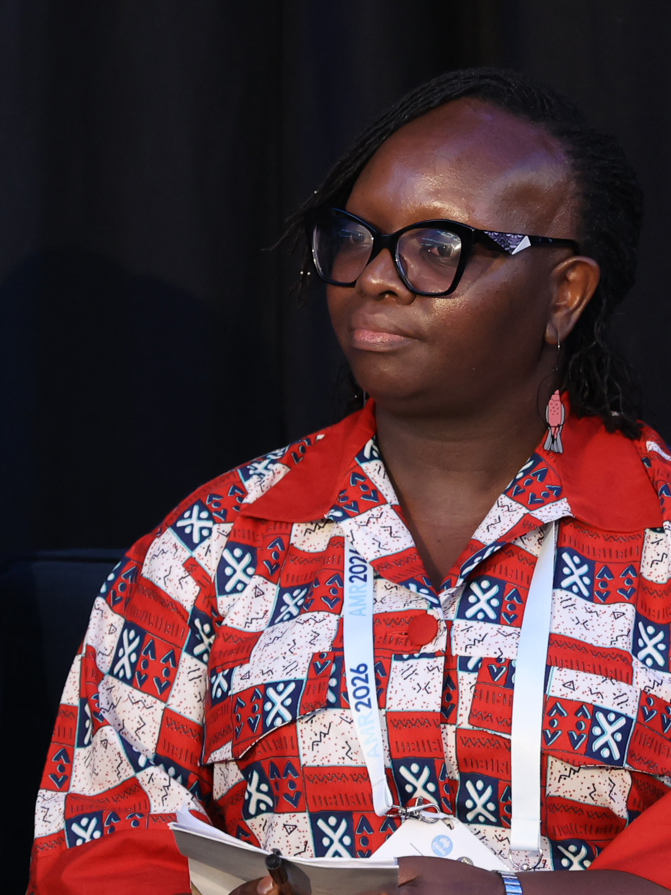
Transitioning from clinical pharmacy to the Ministry of Health, Evelyn learned early on that navigating government spaces requires an understanding of formal protocols. She recalled representing the Director of Medical Services at a congress, where she realised the absolute necessity of titles and formal bios to command attention and respect. Despite early discouragement from pharmacy leaders who felt infectious disease was not a relevant path, she pushed forward to become one of the first two female pharmacists to graduate from her tropical diseases’ cohort.
After moving into policy, Evelyn helped found Kenya’s inaugural National AMR Program, which she went on to lead for about eight years. Initially, there was ‘zero budget’, so her team would be planning months of activities with the hope that a small grant might come through.
“I had to write my own JD because the principal secretary asked me, ‘What will you be doing Monday to Friday, 8am to 5pm on AMR?’ So, I had to go and write it down.” Now working across 12 countries for the East Central and South Africa Health Community, her approach to mentoring involves giving her team the platforms she never had and continually asking them what else they can achieve beyond their official job descriptions.
Gabriella Ak
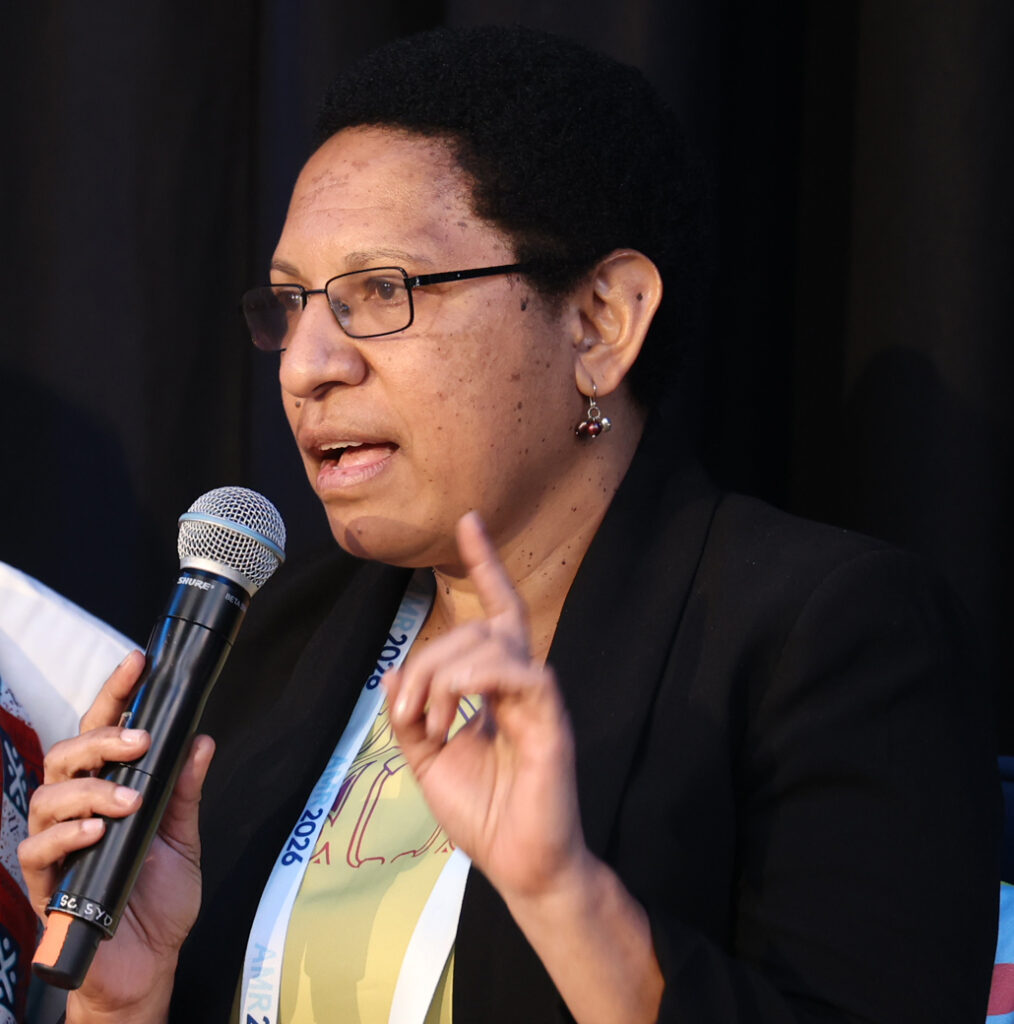
As the first clinical microbiologist in Papua New Guinea, Gabriella navigated a system that heavily favoured histopathology, given the country had only 14 pathologists for 12 million people. Guided by her (Australian) mentor John Ferguson and supported by the Fleming Fund, she faced immense hurdles breaking down entrenched clinical silos. She described the initial culture shock of her role.
“I thought, well, I can still be in the lab. Wrong, because apparently, when you’re a clinical microbiologist, you’re supposed to be in the ward … I thought, how’s this possible?”
To create a sustainable model, Gabriella intentionally unplugged from nationwide activities to focus on establishing robust systems at Port Moresby General Hospital, generating the hospital’s first antibiograms in 2020. Addressing the realities of leadership, Gabriella admitted to being fiercely difficult when it comes to protecting her hospital’s data, standing her ground to ensure that the 47 percent MRSA rates at her specialised tertiary referral centre are not misinterpreted globally as the baseline for the rest of the country.
Nick Moser
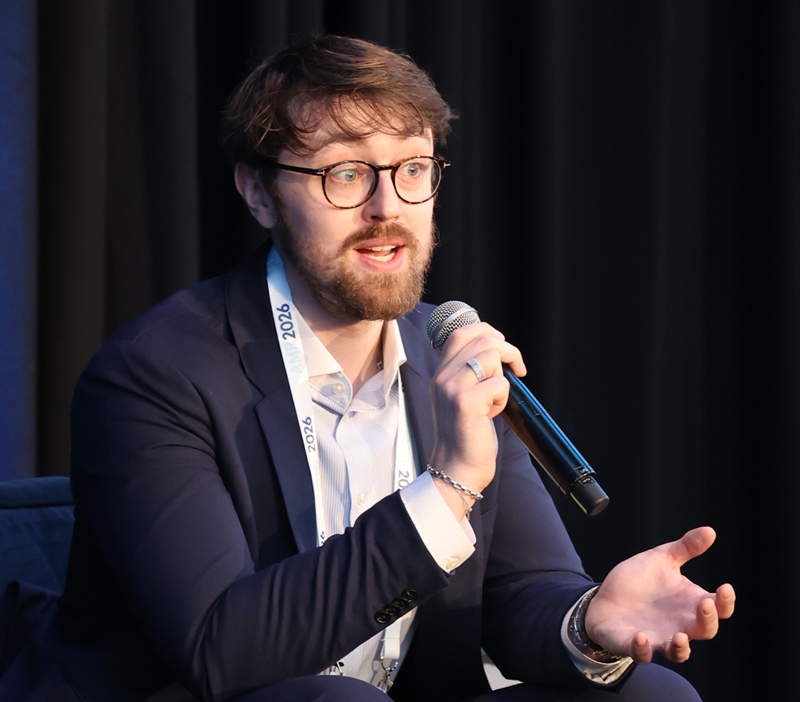
Bringing an artificial intelligence and engineering background to the panel, Nick detailed his transition from designing biosensor technology during his PhD to testing field diagnostics for malaria and dengue in Ghana and Taiwan. Realising that academic research alone would not bring his technology to the patients who needed it, he co-founded the company ProtonDx, balancing the demands of commercial investment with his academic fellowships. Now a Google DeepMind academic fellow with the Fleming Initiative, Nick credits his perseverance to a deep desire to impact healthcare and the guidance of leaders already established in the field. When asked about cultivating teams without simply creating replicas of himself, he emphasised the value of diverse expertise.
“Being leaders (is) really (about) allowing more leaders to be created … AMR pretty much lends itself to this … your research group will be so multidisciplinary that there’s no mini me.”
Actions and considerations for follow‑through to 2029
- Establish clear career pathways: Create and fund dedicated roles for clinical microbiology and AMR stewardship within hospital and government structures, ensuring these critical roles are not relegated to side-desk or unfunded secondary tasks.
- Foster cross-disciplinary resilience: Encourage early-career professionals to be versatile, expanding their skill sets into areas outside their primary domain, such as health economics, policy, and grant writing, to sustain long-term funding and articulate the financial impact of their interventions.
- Protect and contextualise data: Empower regional leaders to protect and contextualise their local health data, preventing specialised, high hospital resistance rates from being erroneously applied to other populations and contexts.
- Empower through platforms, not replication: Evolve mentorship models to provide emerging professionals with platforms they otherwise wouldn’t have, challenging them to explore capabilities beyond their rigid job descriptions and championing their unique multidisciplinary strengths rather than simply replicating the paths of their mentors.
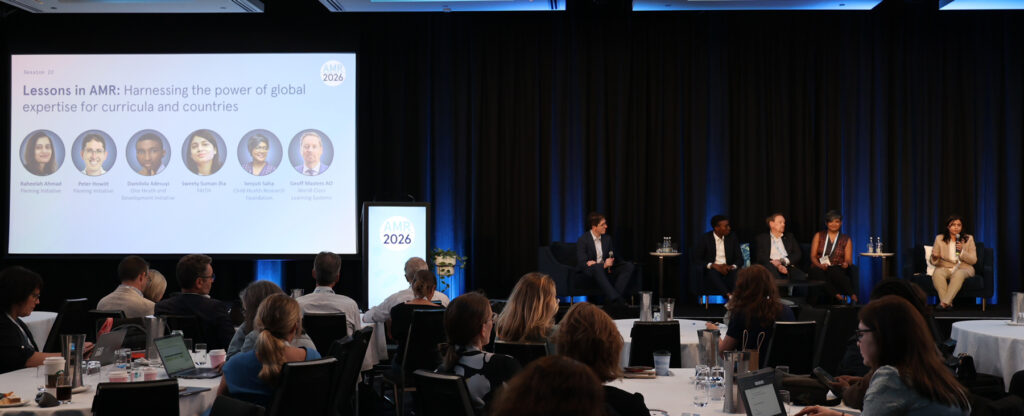
Session 22 – Lessons in AMR: Harnessing the power of global expertise for curricula and countries
AMR is everywhere yet almost absent in education. This session is anchored by two landmark outputs: a new global consensus on AMR education and the recent publication of the first global systematic review of how AMR is currently taught.
Summary
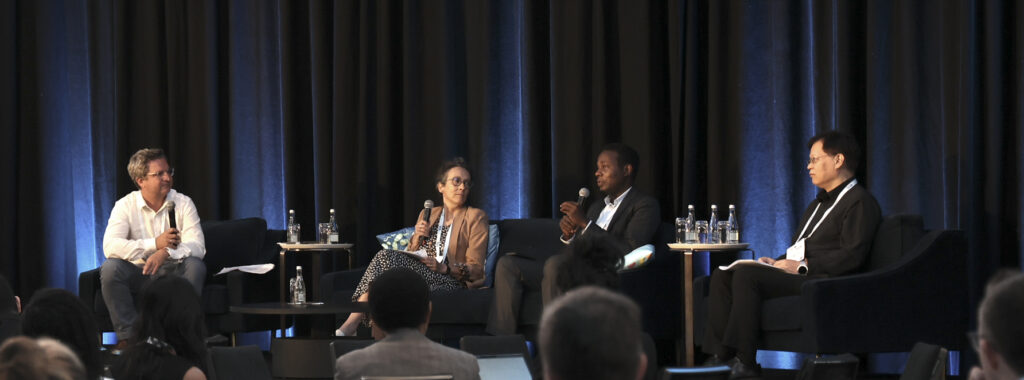
Panellists addressed a practical question: what children need to know to become responsible users of antimicrobials, and how education can be designed to do more than raise awareness. Education was framed as one of the few interventions able to shape norms early, but only if treated as a sustained, whole‑system effort rather than a one‑off outreach activity.
Connecting life lessons
Two new AMR education evidence products were presented to move the field from broad agreement to usable guidance: a global education consensus document developed with contributions from more than 70 experts, and a systematic literature review published days earlier. The consensus was positioned as deliberately practical, setting out 13 guiding principles, eight overarching themes and two knowledge areas, with a strong emphasis on going beyond facts to cocreation, inclusion and future impact.
The review, drawing on published literature and an open call for initiatives, mapped 119 educational initiatives across 44 countries, with a near-even split between high-income and low and middle-income settings. While 44 percent of initiatives reported knowledge improvement and 24% were influenced by national curricula, a persistent evidence gap was highlighted: observed health behaviours and downstream outcomes were rarely measured or reported, leaving the causal pathway from education to public health impact under-documented.
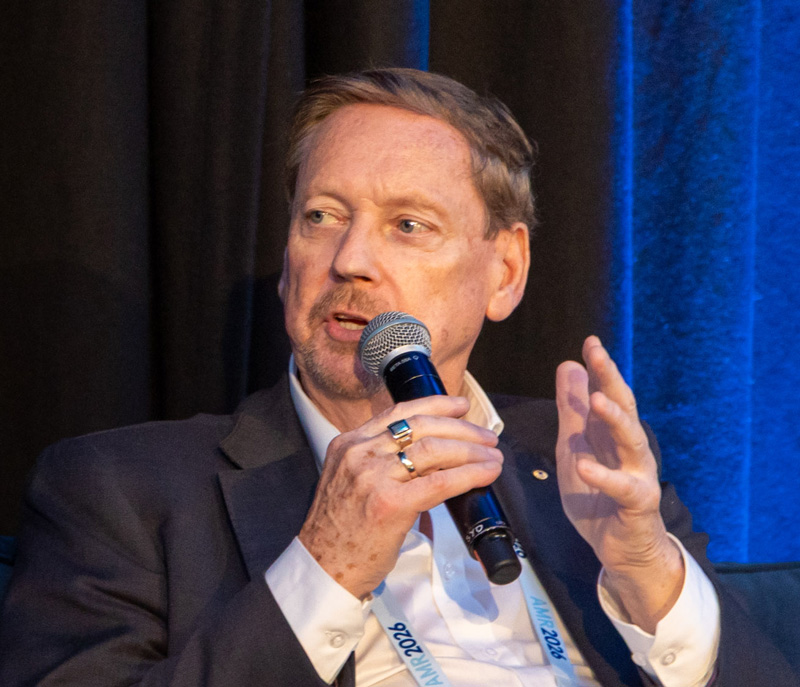
“We need a framework that makes explicit what it means to become increasingly proficient … deeper understanding, more skills, actually changing behaviours, and how we expect those things to progress through the years of school.”
Geoff Masters AO, International adviser on curriculum and assessment reform, World-Class Learning Systems
The panel then focused on what it takes to implement this guidance in real contexts. One thread was the need for concrete use cases, particularly in LMICs, so advocacy is grounded in evidence rather than aspiration. A Nigerian school outreach reaching more than 30,000 students across about 80 schools, with learning sustained through clubs, illustrated why AMR education cannot be effective as a single touchpoint. Because AMR education already appears in action plans, such implementation evidence was seen as critical to shifting it from being listed to being prioritised and resourced.
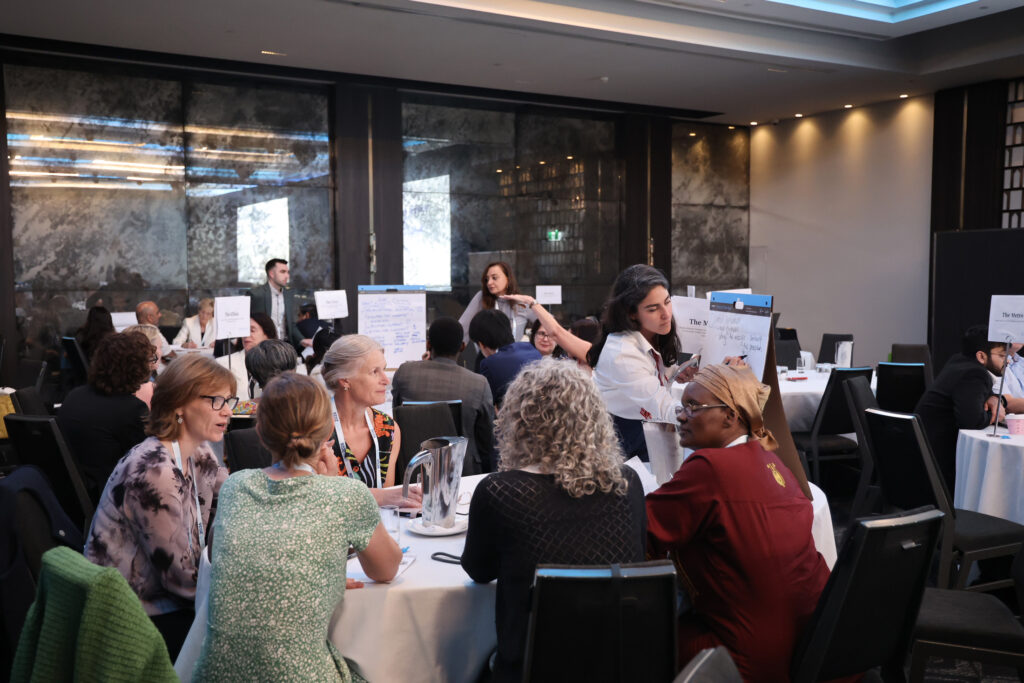
A second thread emphasised that education it must be co-designed and co-produced, with communities as partners. Experience from indigenous communities in India showed that strong practical One Health understanding can exist without familiarity with technical labels. Participatory approaches, rather than lecture formats, were described as more effective for behaviour change, including role plays, quizzes, short reflective writing and visual rich picture methods that help families articulate links between health, environment and livelihoods. These approaches also help avoid overburdening children by embedding learning in engaging, everyday activities and sustaining it through clubs and peer leadership. At the same time, the session noted feasibility constraints, including local language needs and low baseline awareness of antibiotics and resistance.
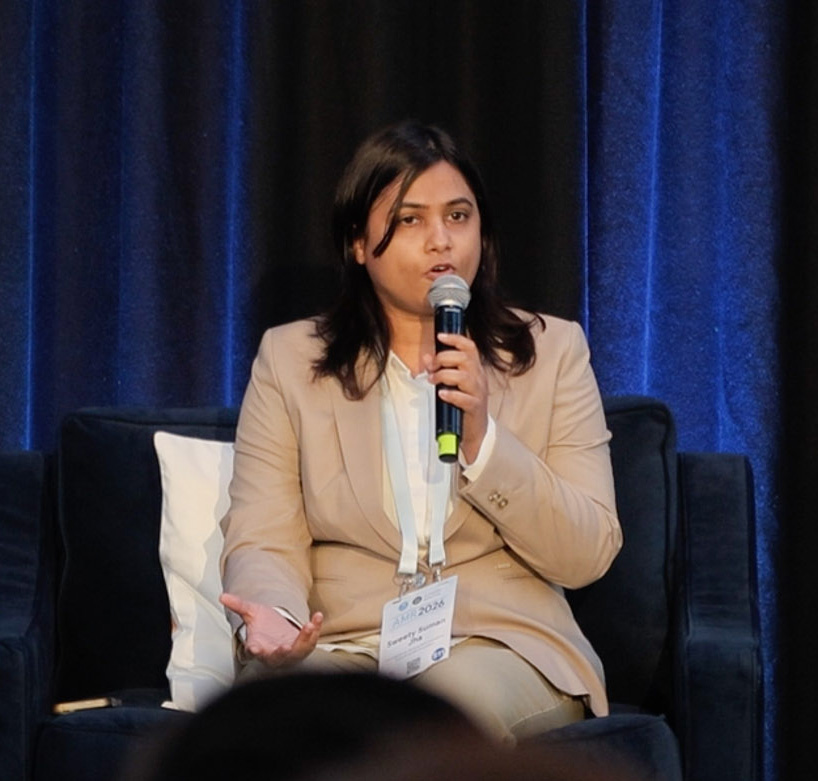
“Educational programmes cannot just be delivered. They have to be cocreated. Communities need to be treated as partners, not beneficiaries because the knowledge is already there.”
Sweety Suman-Jha, Research Scientist and Founder Member, Foundation for Actions and Innovations Towards Health Promotion (FAITH)
A third thread addressed the persistent challenge of curriculum space. The panel argued there is no single correct balance between explicitly naming AMR in national curricula and integrating it across subjects. While direct inclusion can be powerful, it is often politically and practically difficult in crowded curricula. A more scalable strategy in many settings is to develop high-quality modular resources that teachers choose to adopt because they strengthen existing priorities, such as disciplinary understanding and transferable skills including critical thinking, creative thinking, and collaborative problem solving. This reinforced the consensus document’s position that AMR learning should extend beyond science to subjects such as languages, history, economics and geography.
A fourth thread demonstrated how experiential learning can make AMR visible and personally meaningful, while also acting as an equity intervention. Building Scientists for Bangladesh, which was established during the ‘COVID era’, revealed widespread misunderstanding about viruses and antibiotics that was illustrated by spikes in prophylactic azithromycin use. This led to a three-stream model: taking science to communities through camps, bringing students into laboratories, and providing training pathways for older students and professionals. Handson activities such as diffusion assays, microscopy, culturing and hygiene experiments allowed students to test outcomes themselves, reinforcing that learning is retained when it is felt and experienced. Seeing scientists who look like them also reshaped perceptions of who belongs in science and public health. Students were described as powerful amplifiers, carrying messages back to households and communities and turning education into a broader public health intervention.
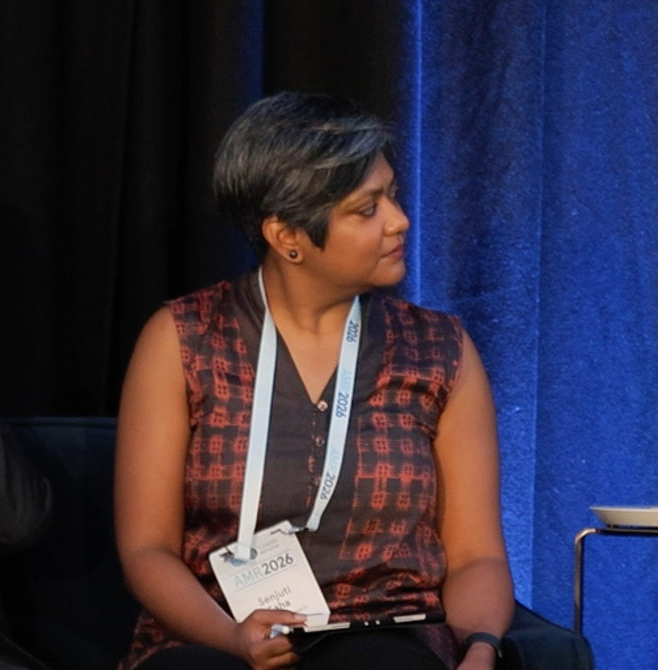
“People forget what you said. People forget what you did. But people remember how they felt. When students can see antimicrobial resistance on a petri dish, when they test things themselves, that learning stays with them … and it changes behaviour.”
Senjuti Saha, Deputy Executive Director, The Child Health Research Foundation
Audience questions sharpened the implementation edge. In settings where evolution is contested, the discussion suggested shifting from abstract debates to lived experience and locally resonant narratives of treatment failure and adaptation. On framing AMR as a life skill, the caution was accountability: life skills risk becoming everyone’s priority and no one’s responsibility unless ownership within school systems is clear. Finally, professional education emerged as an adjacent gap, with early evidence from veterinary curricula in Nigeria suggesting that knowledge gains can erode by later years of training, highlighting the need for progression frameworks and reinforcement, not just early exposure.
The session closed on a shared insight: AMR education must be designed as a sustained system. It needs to reach all children, including those outside school (early school leavers), be supported by enabling conditions such as basic WASH infrastructure, and be continually revisited and improved rather than treated as ‘set and forget’ recognising that education systems drift toward disorder without ongoing energy, feedback and revision.
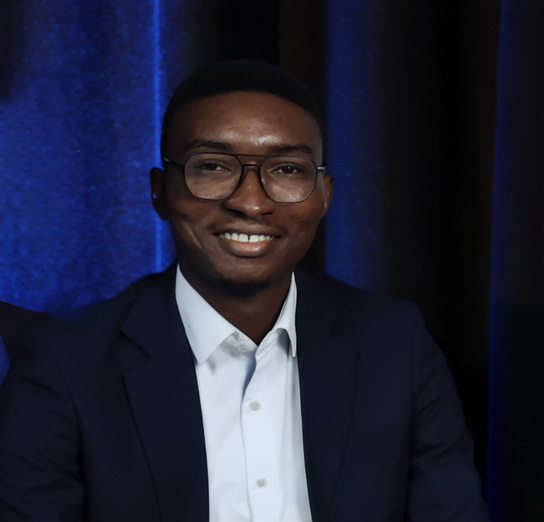
“Ultimately, for me, AMR education is the biggest solver of AMR because it changes behaviours and ensures that we have an AMR aware generation.”
Damilola Adesuyi, Program Officer – Public Health, One Health and Development Initiative
Actions and considerations for follow‑through to 2029
- Pilot the consensus in diverse real-world settings and publish implementation evidence, including LMIC use cases with clear metrics that others can adapt.
- Design AMR learning as sustained practice, not a one-off event, using mechanisms such as clubs, repeated touchpoints and knowledge progression across year levels.
- Build modular, cross-curricular resources that teachers want to use, aligning AMR content with existing learning goals and skills (critical thinking, problem solving) to avoid ‘crowded curriculum’ resistance.
- Embed co-creation and inclusion of the ‘influencers’ as default, engaging parents, teachers and community leaders and ensuring approaches work for out-of-school children and low-infrastructure contexts.
- Shift evaluation beyond knowledge gains to real-world outcomes, prioritising measurement and reporting of behaviours and practical enabling conditions (e.g., hygiene infrastructure) that make behaviour change feasible.
Further reading:
Read the other AMR 2026 reports
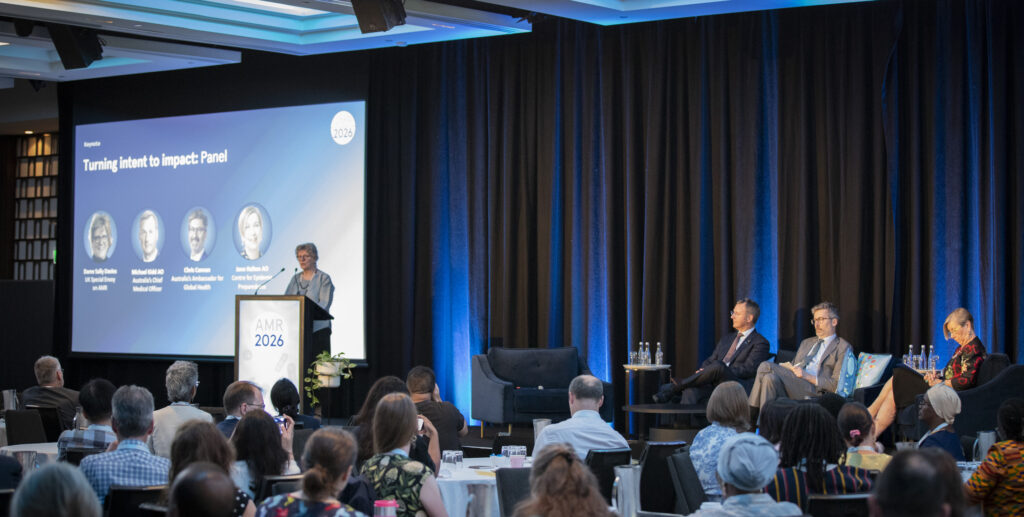
Theme 1: Political declaration: from ink to implementation
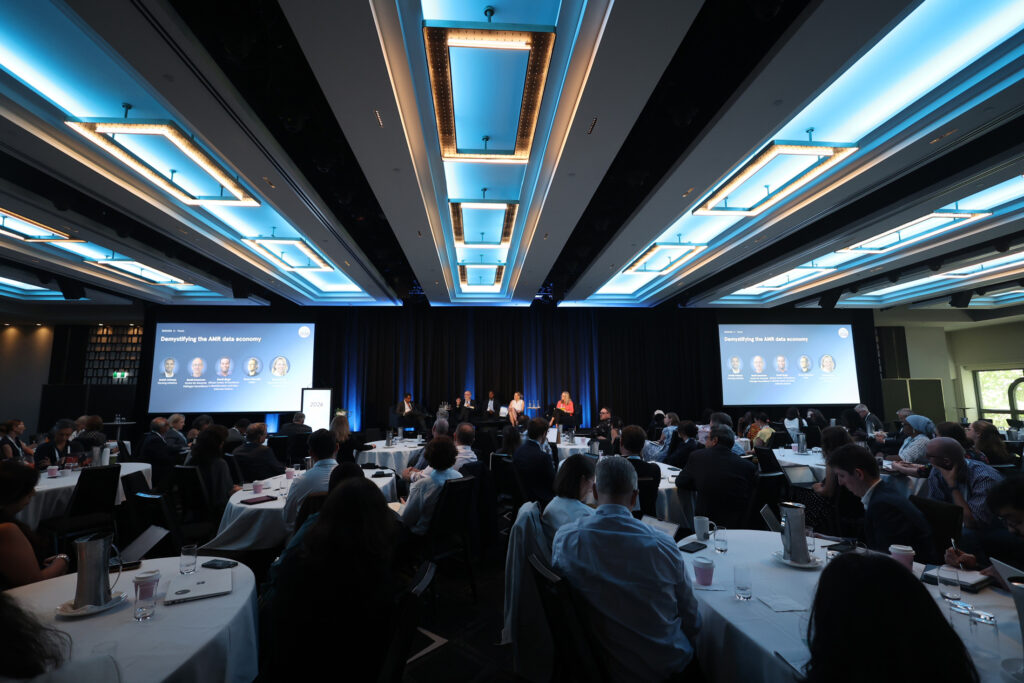
Theme 2: Data for decision-making
Theme 3: Investing through an AMR lens
Theme 4: Standards, stewardship, and support
Theme 5: Solution ideation, innovation, and impact
Theme 6: Consumers, communications, and campaigns
Theme 7: Evidence, equity, and economics