- Keynote 2, Panel 1 – Raising the benchmark: Sustainable and environmentally responsible antimicrobial manufacturing
- Keynote 2, Panel 2 – Insights to inventory and stock-outs to solutions
- Session 8 – Role and reality of achieving optimal AMS – Humans
- Session 9 – Role and reality of achieving optimal AMS – Animals and agriculture
Keynote 2: From the lab to the last mile
Panel 1 – Raising the benchmark: Sustainable and environmentally responsible antimicrobial manufacturing
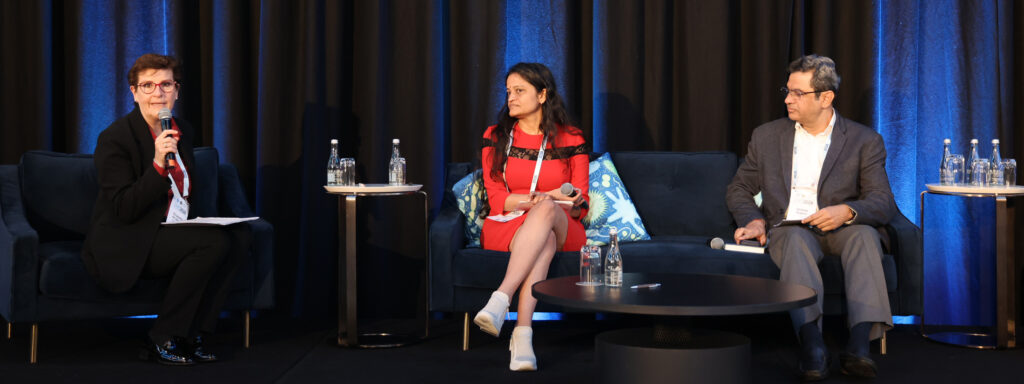
As pressure mounts to preserve the effectiveness of antibiotics, this discussion examined what it takes to keep antimicrobial manufacturing viable over the long term. Speakers unpacked the less visible constraints shaping supply today, from regulatory complexity and fragile demand signals to the commercial realities of sustaining production.
Summary
This panel framed antimicrobial manufacturing as a system under strain, where regulatory pathways, commercial incentives, environmental safeguards and public trust must align to sustain supply but frequently do not. The opening video underscored why antimicrobial production remains uniquely high‑risk: lengthy development timelines, fragmented regulatory requirements and weak market returns collide with rising expectations around stewardship and environmental performance. Against this backdrop, the discussion focused on how uncertainty at any point in the system can deter investment, accelerate market exit, and ultimately undermine access to essential antibiotics.
Risk and resilience
The discussion quickly converged on ‘predictability’ as a nearterm lever for progress. The argument was not that standards should be weakened, but that uncertainty, especially around approval timelines and countrybycountry requirements, creates decision risk that is particularly damaging in the antiinfectives space, where margins are already thin. Predictable demand and predictable regulation were framed as the difference between firms that can justify investment and those that exit or avoid the category altogether.

“If I had to choose one word, it would be predictability. Less uncertainty around regulatory timelines and requirements is what would really change whether companies are willing to invest (in antimicrobials).”
Jaideep Gogtay, Global Chief Medical Officer, Cipla Ltd
Specific examples made the regulatory friction tangible. Recent launches of new antibiotics were described as involving complex acquisition and licensing pathways, followed by prolonged regulatory engagement to secure accelerated approval in India. The manufacturing and import pathways were presented as especially sensitive: registering a site can require information from the original manufacturer, yet manufacturers may be reluctant to share detailed data with another country’s regulator. Similar barriers can arise when pursuing registration in additional markets such as South Africa. This led into a wider point about regulatory harmonisation: harmonisation was framed as necessary not only for speed, but to ensure fair, risk‑based regulation. This could help ensure that requirements focus on what is necessary for safety and quality, rather than accumulating additional country‑specific demands that add cost and delay without improving outcomes.
A sharp access‑related barrier was raised around data expectations in markets where the innovator is not registered. In some countries, if an innovator product is not approved locally, a generic manufacturer can be treated like an innovator and asked to submit data that they do not have access to. The panel’s practical suggestion was that independent expert articulation of clinical need as to why a product matters in that setting can provide ‘ammunition’ to help manufacturers navigate approval and reduce the risk of regulatory dead ends.
Demand fragility was linked to a broader pattern of market withdrawal. Benchmarking work was used to illustrate behaviour shifts and emerging risks: the Access to Medicine Foundation’s AMR benchmark assesses company performance across 115 low‑ and middle‑income countries across R&D, manufacturing stewardship, and responsible promotion and access. Yet the most immediate access problem identified was stark: many people still lack access to antibiotics, while several large companies are leaving the African continent and de‑registering legacy products. The implication was that access failures are not only about innovation, but about sustaining older, essential products when demand and policy signals are weak.

“The biggest issue is that people don’t have access to antibiotics. We’re seeing several large companies leaving the African continent and de‑registering a large number of legacy products.”
Jay Iyer, CEO, Access to Medicine Foundation
Environmental safeguards were discussed as both essential and operationally difficult, especially in fragmented supply chains. Because manufacturers are rarely vertically integrated across all stages, active pharmaceutical ingredient (API) production often occurs elsewhere. Meeting stringent effluent expectations, described in terms of ensuring a fraction of a gram or less enters wastewater, can require major energy inputs to evaporate large volumes of water. That raises costs, and the increased heat use can raise carbon emissions, creating real trade‑offs against ESG commitments while still needing to maintain supply continuity.
Supply chain concentration intensified these risks. The panel noted that some parts of the antibiotic supply chain are extremely fragile and heavily concentrated, with penicillin cited as an example where there are only a few global suppliers. This was used to argue for more candid communication about what industry can realistically produce, alongside investor and government incentives that make meeting standards financially viable rather than purely punitive.
Finally, the panel treated trust as a practical input, not an abstract value. It was argued that limited public trust constrains what policy makers can do, and that trust is built by delivering on commitments rather than by messaging alone. A concrete example of community‑facing stewardship was raised: AMR: Act More Responsibly, a global campaign encouraging pharmacists not to dispense antibiotics without a doctor’s prescription. The broader proposition was that progress will require coalitions that include industry, government and civil society, comparable to the HIV response, to align stewardship, access, and legitimacy so that antimicrobials reach those who need them.
Actions and considerations for follow-through to 2029
- Improve regulatory predictability and harmonisation by clarifying fair, proportionate requirements for antimicrobials and reducing duplicative data demands across markets.
- Strengthen demand signals for essential antibiotics, particularly in LMICs, through coordinated procurement, reimbursement clarity, and early access planning.
- Treat manufacturing sustainability as shared infrastructure, aligning environmental standards with incentives that protect supply continuity and reduce concentration risk.
- Use benchmarks and transparency to reinforce stewardship and access, while pairing them with concrete incentives that reward continued presence in high‑need markets.
- Invest in trust‑building through delivery supporting multi‑stakeholder coalitions that explain AMR and stewardship simply and demonstrate follow‑through.
Panel 2 – Insights to inventory and stock-outs to solutions
Across island nations and their larger neighbours, medicine and product shortages keep undermining timely care and fuelling AMR. This panel unpacks why antibiotics don’t reach the point of need from weak lab-to-pharmacy links to imprecise forecasting, procurement, and stock management.

Summary
This panel confronted medicines stockouts as a predictable system failure rather than sudden crises. Supply disruptions turn AMR from a scientific challenge into a logistics and access problem. Surveillance and diagnostics are improving across the Asia–Pacific, yet diagnosis is often disconnected from access. Fragile supply chains, uncertain forecasting, and fragmented procurement leave patients exposed. Local manufacturing can help but brings technical and financing hurdles and vaccines that could reduce antibiotic demand remain underused due to limited capacity, capability and capital.
An anti-shortage playbook
The discussion reframed ‘supply chain’ as more than transport and warehousing. At a high level it spans every step from raw ingredients to the patient, but the most important failure points sit in the relationships between steps and institutions. Breakdowns rarely happen in one dramatic moment; they accumulate as death by a thousand cuts. If a primary facility doesn’t feed usable consumption data upward there are numerous knock-on effects: forecasting weakens; budgeting decisions don’t match health needs; procurement contracts are signed but not honoured; invoices aren’t paid on time, and the downstream actors look like the problem. Over time, these small fractures create a system where responsibility is diffuse and accountability evaporates.
The panel also challenged the way stockouts become visible. Headlines often arrive late and can misrepresent what is happening on the ground. Before a shortage reaches national attention there are usually early warning signals, although local coping strategies can mask gaps for long periods. Facilities may substitute products, ration supply, and clinicians just make do with what exists until a major event forces the system into the open: an operating theatre closes, a facility shuts, a patient dies, or there are simply no antimicrobials on the shelf. These moments are inevitable outcomes of chronic fragility rather than rare shocks.
Crucially, coping strategies do not remain temporary. Emergency orders, intended as last resort, become routine because they bypass bureaucracy. Rationing becomes normalised, producing chronic undersupply that then distorts forecasting. Substitution becomes culturally embedded and what should be first-line antibiotics are swapped for later-line options. Entire diagnostic pathways can collapse because reagents and diffusion discs have been unavailable for so long that clinicians accept that tests are no longer possible. The longer this persists, the harder it becomes to reverse.

“The coping mechanisms do become entrenched. Emergency orders, which should be a last resort, have become standard practice. Rationing becomes normal, substitutions become normal — and, over time, the clinical impact just starts to wash over people.”
Mike Nunan, CEO, Beyond Essential Systems
A frontline perspective from Timor-Leste grounded the human consequences of underinvestment. When stock is unreliable, clinicians replace the antibiotic with whatever is available, often from a very limited list, and when options run out patients turn to traditional medicine. Shortages also drive dangerous rationing at the point of care so that, instead of a full course, treatment duration may be shortened to three to five days. Layered bureaucracy then compounds the delay: procurement planning; storage and distribution constraints due to poor-quality roads, seasonal cut‑offs and limited transport access; limited facility staffing to report data and place requests; and long lead times that collide with late budget approvals all leave clinics stranded.

“All these bureaucratic steps really delay the system. We try to hold buffer stock, maybe ten to twenty percent, but the budget is always difficult. When approval comes late, you still need at least three months for procurement and, by the time the drugs arrive, it’s already too late for the clinic.”
Nelson Martins, Timor-Leste Lead, CAMO-Net
From there, the conversation pivoted to regional capability, especially vaccine manufacturing, as a route to resilience. The argument was that capability building is upstream of supply and, without it, there is no sustainable access. Efforts underway in Southeast Asia were described as enabling more regional players to participate, strengthening stability and self-reliance, and using regulatory collaboration (including support from Australia’s TGA) to move toward more harmonised standards. The panel emphasised ASEAN-scale potential, comparable in population size to Europe, while acknowledging the added cultural and political complexity of aligning priorities across diverse countries. Sustainable manufacturing depends on strategic specialisation, clear visibility of needs, and convening the key decisionmakers to start practical prioritisation conversations so investments don’t result in empty factories.

“You can’t have everybody making everything. You’ve got to be strategic, you’ve got to have great communication, and you’ve got to understand each other’s needs if manufacturing capability is going to be supported and sustainable.”
Susie Nilsson, Research Director, Biomedical Manufacturing, CSIRO
On solutions, the panel drew a hard line between attractive ideas and what actually works. Local workarounds (interfacility transfers, emergency orders) help temporarily but don’t scale. They are expensive, often rely on airfreight of small quantities, and eventually run into the same constraint i.e., money. The scale of that constraint was made explicit. Timor-Leste spends about US$10 per capita on medicines, while Australia spends closer to US$1,000 per person, with the Pharmaceutical Benefits Scheme alone accounting for nearly US$700 per capita. Across much of the Pacific and Asia-Pacific, most low and middle-income countries spend US$7–10 per person, a figure that covers not just drugs, but also consumables and laboratory supplies. At that level of investment, even the most creative workarounds eventually hit a hard ceiling.
This led into a blunt critique of pooled procurement as a recurring ‘silver bullet’ distraction. While pooled models can work for specific categories (e.g., vaccines coordinated by UNICEF), scaling pooled procurement across all commodities in the Pacific was argued to be unrealistic due to vast geography, different shipping lanes, varying epidemiology and essential medicines lists, and uneven payment discipline between countries. The panel’s bottom line was that the proven fixes are boring: sustained financing, adequate warehousing and infrastructure to support annual ordering, and end-to-end accountability that turns anti-shortage plans into owned, operational practice.
Actions and considerations for follow-through to 2029
- Strengthen end-to-end accountability for forecasting → financing → procurement → distribution, so failures in relationships and payment timelines are visible and owned rather than absorbed downstream.
- Invest in the boring basics: modest but recurrent increases in commodity funding paired with enabling infrastructure (warehousing, distribution), to stabilise availability and make annual ordering viable in small and isolated markets.
- Treat emergency orders and substitutions as warning indicators, not business-as-usual, and actively unwind entrenched coping mechanisms that normalise later-line antibiotic use and foregone diagnostics.
- Advance regional capability and regulatory harmonisation through convening and practical prioritisation, aligning manufacturing choices with shared demand signals to avoid stranded capacity.
- Be selective about pooled procurement: pilot only where geography, payment discipline, and product characteristics fit, and avoid ‘silver bullet’ procurement resets that distract from proven system fixes.
Session 8 – Role and reality of achieving optimal AMS – Humans
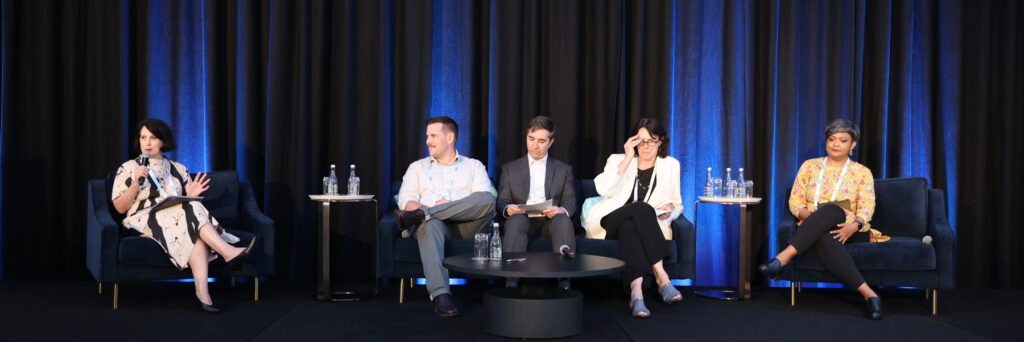
Antimicrobial stewardship (AMS) is about more than using medicines wisely. It’s about people, systems, and the choices that shape care. This session examined why stewardship remains so hard to embed in practice, exploring behavioural, policy, and diagnostic barriers alongside opportunities for innovation. Drawing on lessons from the Australian Pacific and South American regions, it highlights how shared responsibility and smarter strategies can strengthen stewardship across all levels of healthcare.

“99.9999 percent of the world will not read our papers or listen to conversations like this. They don’t know about these panels or what we are doing. That’s why working with communities and communicating in context‑specific ways is so important. They are the real change‑makers at the grassroots.”
Senjuti Saha, Deputy Executive Director, The Child Health Research Foundation
Summary
AMS was described as a practical action arm that cannot succeed in isolation from infection prevention and WASH. The panel began by noting that even the term stewardship does not translate cleanly across languages, and that implementation remains patchy: a Lancet review covering country self‑reporting found only around half of 114 countries had AMS implementation in place, including One Health elements. The implication was that the problem is not a lack of aspiration, but uneven delivery that is driven by context, incentives, and the realities of frontline care.
Policy meets prescribing and practise
A recurring message was that AMS is not a technical guideline problem. The discussion repeatedly returned to the idea that prescribing happens inside systems shaped by trust, access, financing, professional roles, and social expectations. In Bangladesh, one example illustrated how quickly a clinically rational stewardship step can unravel when the wider system is not aligned. Paediatric clinicians were encouraged to return to older, affordable first‑line antibiotics for typhoid after sensitivity to those drugs re‑emerged, an effort intended to preserve ‘last‑line’ agents. Yet families perceived a cheaper medicine as inferior, and pharmacists sometimes redirected them toward ‘better’ higher‑line antibiotics, undermining the stewardship intent. In settings where care is largely paid out‑of‑pocket and national guidance is limited, AMS becomes a negotiation across clinicians, caregivers and the market, not a simple protocol change.
For Brazil, a different configuration of incentives was described because a predominantly public health system can make hospital management supportive of AMS due to reduced use of expensive drugs. However, if stewardship is experienced as restriction or blocking rather than clinical support, there is likely to be push-back. The discussion emphasised that stewardship teams are more effective when they are seen as solving difficult cases with prescribers rather than policing them. The community setting was framed as harder again, because most antibiotics are prescribed outside hospitals and the motivation to constrain prescribing is weaker. The panel also offered a systemic lens describing higher resistance in poorer settings as an indicator of health system performance.

“Resistance is more common in poor countries like mine, and that is really a reflection of the (health) systems not working … because the infrastructure is not working, the funding is not working, sanitation is not good. In the end, resistance is not isolated; it is simply an indicator of how the whole system is performing.”
Anna Sarah Levin, Principal Investigator, Brazil hub at CAMO-Net
An Australian example highlighted how intersectional context plays out inside a single high‑income system. Through the National Aboriginal Community-Controlled Health Organisations AMS Academy, auditing revealed a striking pattern: Aboriginal and Torres Strait Islander patients in one health district were being given vancomycin rather than cefazolin for pre‑operative prophylaxis based on race alone, even when MRSA swabs were negative, contributing to avoidable acute kidney injuries. The point was not only the clinical harm, but how audit capability and community‑embedded services can surface and correct inequitable prescribing practices that would otherwise remain normalised.
The panel then addressed why AMS funding is persistently hard. Several speakers emphasised that stewardship is long‑term, behavioural, and multi‑component requiring surveillance, data, trust, regulation and education. However, philanthropic funders often prefer short‑cycle results that fit quarterly reporting and annual reports. The discussion noted a common imbalance in that investment flows readily to surveillance, but far less to implementation, even though data alone does not change practice.
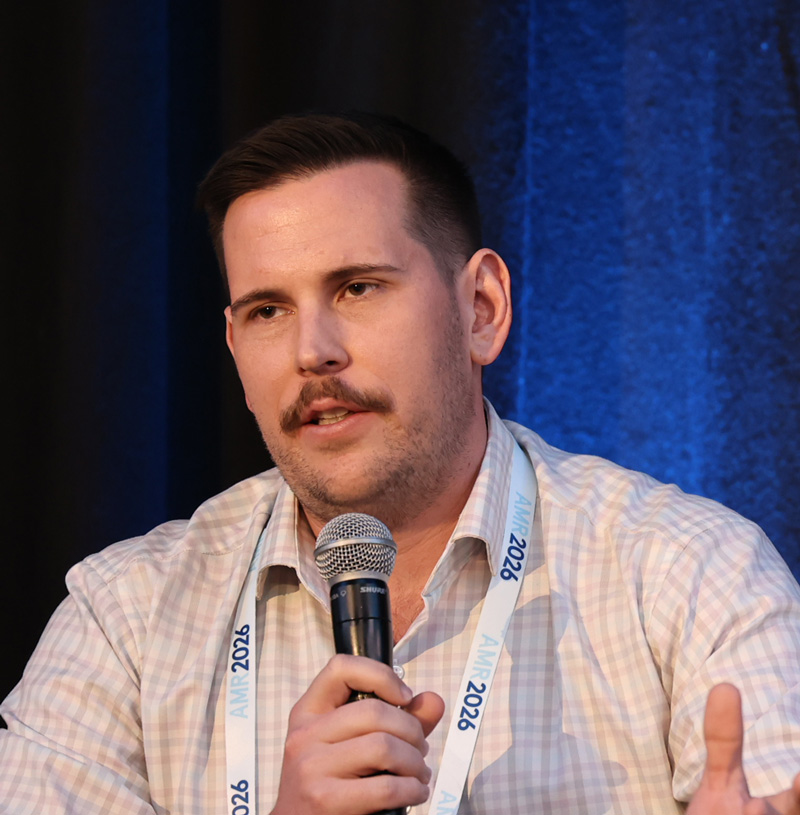
“We’re so reactive in how we manage AMS. We get data and focus on what’s not going right, and that isn’t very attractive to funders. People want to see where we can proactively do things … You need people who are going to commit to funding something that is a long-term plan that is going to take decades because it is a behavioural change.”
Tom Mylne, Ophthalmology Registrar, NACCHO AMS Academy Advisory Group
Diagnostics and valuation emerged as a decisive lever. The panel argued that stewardship and diagnostics are often valued too narrowly through individual patient outcomes, when the real returns include population‑level and societal benefits that includes resistance prevention, surveillance value, and health system resilience. It called for new valuation mechanisms and ways to overcome budget silos.
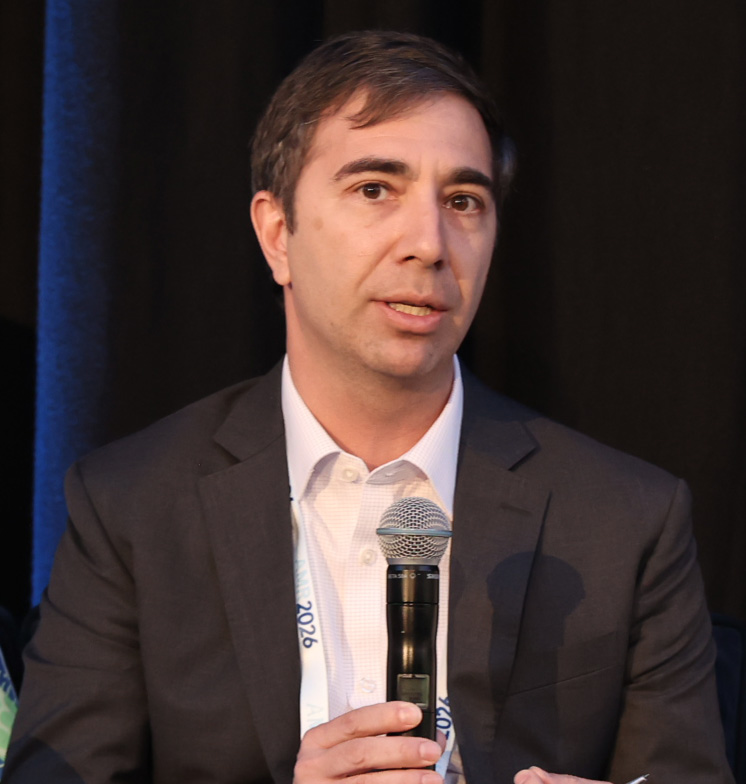
“We need a new way to value stewardship and diagnostics taking into account the population level benefit… we need to be talking about investing in stewardship AMS as strategic investments and not as costs.”
Bruce Altevogt, Vice President of Public Health Policy and Strategic Engagement, bioMérieux
Finally, the panel explored moral injury: prescribers generally act with good intent yet can feel guilt when guidance changes or when they must prescribe without adequate tools such as rapid diagnostics. The suggested shift was to frame AMS as continuous improvement, making care safer over time, rather than judgement or policing.

“We need to reframe AMS, because in some settings it’s seen as a policing activity. Prescribers and vets don’t go to work wanting to cause harm. People are acting with good intention. But that framing can create moral injury, where clinicians feel guilty for prescribing, and even patients can experience moral injury as they are also trying to do the right thing.”
Kas Thursky, Director, National Centre for Antimicrobial Stewardship
Actions and considerations for follow‑through to 2029
- Fund implementation, not only surveillance: Pair surveillance platforms with sustained investment in frontline delivery (audit-and-feedback, workforce capability, and locally adapted stewardship supports), so data is translated into practice change.
- Build diagnostic stewardship into AMS by design: Treat diagnostics as a core enabler of stewardship (not an optional add‑on), and expand access pathways, especially where testing capacity is limited, to reduce ‘reflex prescribing’ under uncertainty.
- Reframe the value proposition: Develop valuation methods that capture population and societal benefits (resistance prevention, surveillance value, health system resilience) and use these to break budget silos and strengthen business cases.
- Design for incentive alignment across the full pathway: Address the breakdown between clinician advice, patient expectations, and pharmacy substitution through context‑specific communication, regulation, and engagement with dispensers and communities.
- Reduce moral injury through stewardship culture: Shift messaging and training away from policing toward continuous improvement, and equip prescribers with practical tools (decision support, local guidance, feedback loops) that match real‑world constraints.
Session 9 – Role and reality of achieving optimal AMS: Animals and agriculture
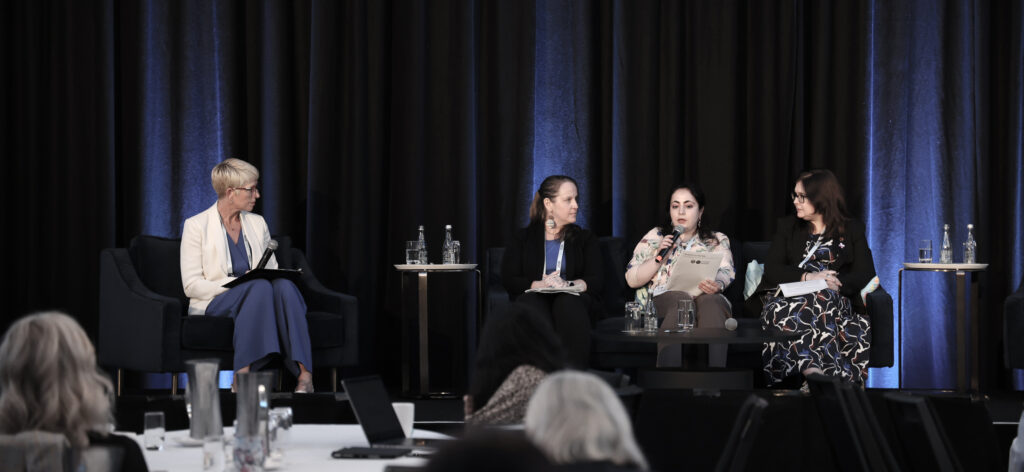
Antimicrobial stewardship (AMS) in animal health works best when farmers, veterinarians, and policymakers design solutions together. This session explored how co‑designed AMS frameworks across animal industries are supporting better antimicrobial use, guided by global principles but tailored to local realities. With insights spanning Australia, the World Organisation for Animal Health (WOAH), and Jordan, the discussion emphasised shared responsibility and the practical conditions needed to make stewardship workable in day‑to‑day veterinary and farm settings.
Summary
The human antimicrobial stewardship discussion was compared with animals and agriculture, building from the premise that real change happens on farms and in veterinary practice not in paper-based standards. The session opened with a video message from the FAO that emphasised prevention, farm‑level change, and the role of international standards when they are adapted, implemented, and monitored in real agri‑food systems.

“From FAO’s perspective, AMS does not start with controlling antimicrobial use. It starts earlier, by reducing the need for antimicrobials in the first place, by investing upstream in animal health services, biosecurity and vaccination, nutrition and housing, animal husbandry, and good management practices that keep animals healthy, productive, and resilient.”
Thanawat Tiensen, Assistant Director-General, Chief Veterinarian, and Director of the Animal Production and Health Division, FAO
The panel then grounded this framing in veterinary practice and professional ethics. A reflection was that some antibiotic‑free or organic production models can create perverse outcomes when treatment is avoided altogether, including culling animals that could otherwise recover. The panel framed AMS as compatible with animal welfare. The discussion then extended this concern to food security as a system‑level consequence of stewardship being shaped by marketing claims rather than veterinary judgement, particularly when those claims constrain treatment decisions across large‑scale production systems.
A central part of the session examined what stewardship looks like when it is co‑designed and owned by implementers. A national Australian AMS framework that was developed through an iterative, six‑month co‑design process with veterinarians and animal health professionals across livestock, aquaculture, wildlife and companion animal sectors was described. Rather than asking stakeholders for input and returning a finished product, participants were asked to define what good stewardship looks like in their own context. The outcome was a framework describing baseline elements that all sectors should aim to meet, alongside pathways for improvement where resources allow. Because veterinarians and animal health professionals created it for their own use, it became something they could apply, adapt and carry forward without ongoing external direction.

“We put the vets and the animal health professionals front and centre … ‘We want you to take this information and your lived experience and create something that would help you.’”
Kylie Hewson, Lead (Animal Health and Environment), Minimising AMR, CSIRO
Participants then tested the framework themselves, using it for internal benchmarking, sharing results across sectors, and choosing to publish their contributions. The framework has since been taken up and adapted independently by multiple additional animal sectors as the basis for sector‑specific stewardship programs and action plans.
The discussion also made a practical point about implementation: there is limited value in creating frameworks, data systems or tools if there are not enough veterinarians and animal health professionals to translate them into routine practice. Workforce capacity and access to services were treated as practical constraints, with stewardship becoming difficult to implement where veterinary coverage is limited, diagnostics and vaccines are unavailable, or appropriate first‑line products cannot be accessed through regulatory pathways.
The discussion then shifted to regional governance and trade, drawing on experience from Jordan. Tightening regulation and aligning more closely with neighbouring Gulf countries was described as a response to a mix of food security ambition, trade requirements and geopolitical risk. Hosting a regional food security observatory has increased expectations around governance, traceability and safety standards. At the same time, the panel highlighted the uneven impacts of reform where exporters and small producers face higher compliance costs, delays and uncertainty, particularly where regulatory requirements differ between trading partners. Differences in veterinary pharmaceutical registration and pharmacovigilance requirements were used as an example of how stewardship‑related reforms can affect prices, access and farmer acceptance, especially in high‑risk regional contexts.
From a global standard‑setting perspective, the session outlined what effective AMS looks like at national level when systems are functioning well. This includes disease prevention, vaccination strategies, biosecurity, access to affordable diagnostics and vaccines, and competent veterinary services with sufficient coverage. The panel also pointed to persistent challenges, including continued use of antimicrobials for growth promotion in over 30 countries and chronic under‑investment in veterinary services, particularly in low‑ and middle‑income settings. International standards were described as a necessary foundation, but insufficient without national capacity to adapt, implement and monitor them.
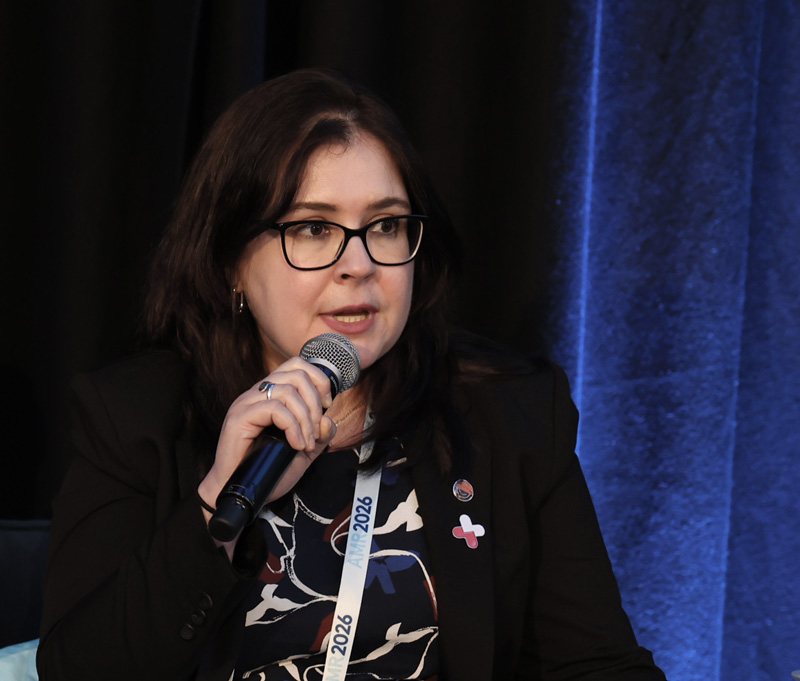
“From the WOAH perspective, antimicrobial stewardship covers the entire lifecycle of antimicrobials and the full supply chain, from producers and regulators through to veterinarians and animal owners. It’s about creating conditions where antimicrobials are not needed through prevention and, when they are needed, ensuring they are used responsibly. But this only works if countries have access to diagnostics, vaccines and competent veterinary services; without that capacity, standards alone cannot deliver impact.”
Ana Mateus, Senior Scientific Coordinator, Antimicrobial Resistance and Veterinary Products Department, WOAH
Across the session, examples consistently returned to how production systems, workforce capacity, trade pressures, and incentives shape stewardship in practice. Rather than promoting a single model, the discussion showed stewardship as a set of shared principles implemented differently across settings, with ownership by those responsible for day‑to‑day decisions.
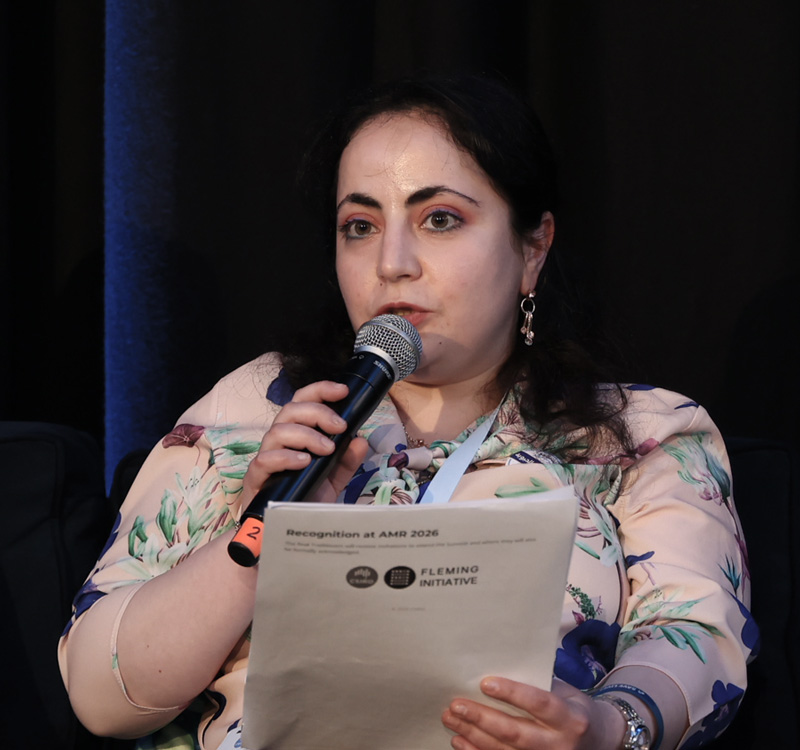
“The most effective approach for engaging farmers at scale combined trust building, capacity development, and targeted communication… and by monitoring both farmers’ behaviour and veterinary intervention, any program can verify that the engagement translates into tangible improvement.”
Randa Bazzi, Veterinarian and public health specialist, One Health Alliance, Jordan, One Health Social Science Working Group
Actions and considerations for follow‑through to 2029
- Codify sector good practice: Produce short, sector‑specific animal AMS playbooks from the co‑designed framework (baseline elements + next steps), designed for adaptation by enterprises in other countries.
- Benchmark routinely: Use the framework for regular self‑assessment (current practice vs baseline) and enable structured peer sharing across sectors to identify feasible improvements.
- Embed prevention in AMS: Build upstream actions into animal health plans (e.g. biosecurity, vaccination, and animal husbandry).
- Enable responsible use: Pair standards with practical enablers such as affordable diagnostics and vaccines, veterinary service capacity, and workable regulatory pathways for access to essential veterinary medicines.
- Engage and verify: Scale farmer engagement through associations and veterinary networks, strengthen communication skills, and track farmer practices and veterinary interventions to confirm improvements in outcomes and behaviour change.
Read the other AMR 2026 reports
Theme 1: Political declaration: from ink to implementation

Theme 2: Data for decision-making
Theme 3: Investing through an AMR lens

Theme 5: Solution ideation, innovation, and impact
Theme 6: Consumers, communications, and campaigns

Theme 7: Evidence, equity, and economics
Theme 8: Early education