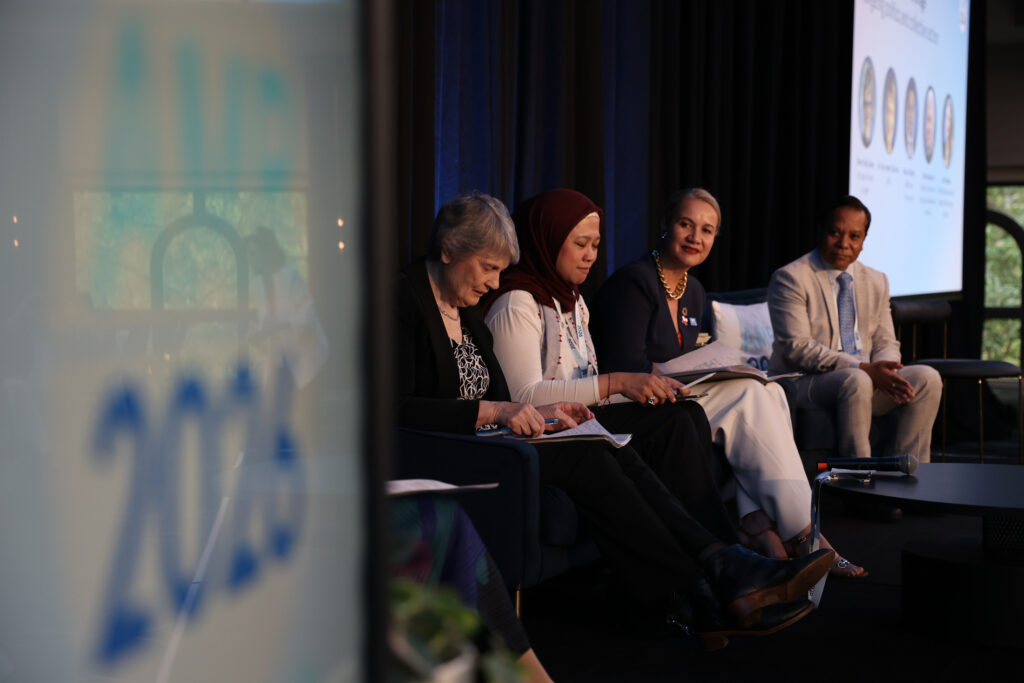

- Keynote 3, Panel 1: Funding the fight: AMR and global power dynamics
- Keynote 3 , Panel 2: The promise and pitfalls of public private partnerships
- Session 18 – Interview with Lord Jim O’Neill: The economic argument
- Session 19 – Robust evidence, real value: Economics of AMR interventions – Humans
- Session 20 – Robust evidence, real value: Economics of AMR interventions – Animals and agriculture
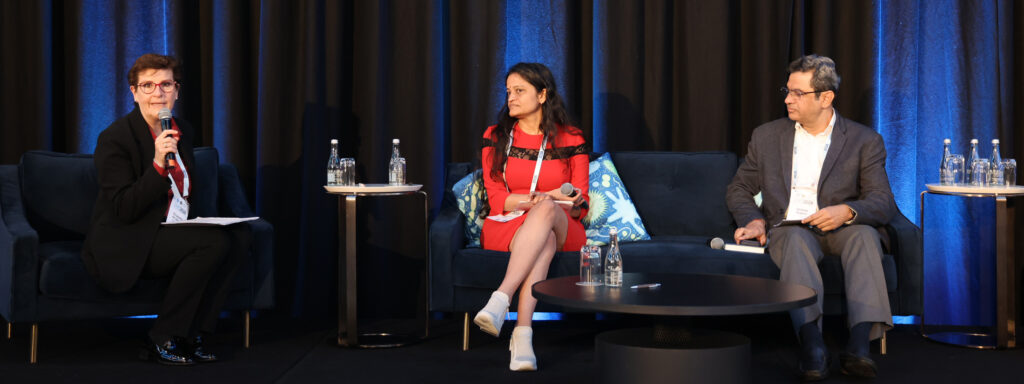
Keynote 3, Panel 1: Funding the fight: AMR and global power dynamics
This panel explored how shifting geopolitics and rising tensions are reshaping global health cooperation and financing, with a focus on present and future funding gaps for AMR R&D across human and animal health. Speakers examined whether philanthropic organisations are compensating for retreating government investment, how their priorities are shaping the AMR agenda, and whether a growing reliance on large foundations concentrates too much influence in too few hands.
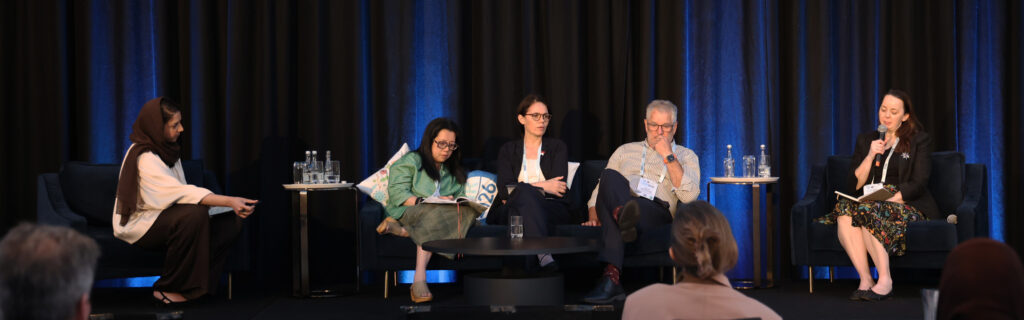
Summary
This session opened with a stark framing: antimicrobial resistance is accelerating in a world where long‑term, cross‑border threats struggle to compete with immediate crises. Diseases cross borders faster than politics can respond, and funding often favours short‑term responses over slow‑burn, system‑spanning risks. In that context, AMR risks being quietly deprioritised even as it deepens across hospitals, farms and water systems.

“The global response to antimicrobial resistance has so far been too weak and fragmented to match the escalating challenge. And now the global health financing landscape is undergoing seismic change. Decision makers are facing stark challenges when it comes to funding health and research. Many issues of global importance, including AMR, risk being under resourced and deprioritised.”
The Hon. Julia Gillard AC, 27th Prime Minister of Australia; Chair, Wellcome Trust
Balancing act
The opening remarks tackled agenda-setting and power. The panel rejected a simplistic binary of government versus philanthropy, arguing instead that agenda-setting depends on how funding lands. This includes the priorities and governance of those providing resources, the quality of their due diligence, and whether the recipient ecosystem is one of accountability or scarcity-driven competition. AMR’s complexity was used as a warning sign explaining that when funding arrives without a shared public-good frame, it can unintentionally reinforce fragmentation across human, animal, plant and environmental domains. The uncomfortable truth, as framed in the discussion, is that incentives continue to shape behaviour even when sectors profess public-good intent particularly where corporate models remain tied to shareholder expectations. In parallel, panellists emphasised that power should not only be wielded by those with resources but shaped by those closest to the burden.

“The piper sets the tune … who has the money will set the tune, but the person who wears the shoe knows where it pinches.”
Selena Namchee Lo, Executive Director, Australian Global Health Alliance
The panel noted that decisions do not begin from a vacuum: WHO and the Quadripartite have already articulated shared AMR research agendas and priority pathogen lists, providing a common reference point for impact that can anchor funding decisions even as financing sources shift.
The second thread anchored the power debate in investment evidence. The AMR R&D Dynamic Dashboard was presented as an online repository tracking public and philanthropic investments in AMR R&D since 2017, designed to provide a bird’s-eye view of the landscape while enabling deeper dives by One Health sector, research area, pathogen and trends over time. The scale was substantial: more than 18,300 projects worth US$17.8 billion, supported by hundreds of funders across 56 countries with beneficiaries across 101 countries, covering human, animal, plant and environment domains. Within that dataset, the split of funding sources was described as roughly 80 percent public sector and 20 percent philanthropic, positioning philanthropy as smaller in volume but often catalytic, with high visibility that can amplify influence.
Within antibacterial R&D specifically, the panel highlighted concentration: a small group of funders provides the bulk of support, creating a fragility risk if one or two step back. Yet the discussion was careful not to treat concentration as uniformly negative. Concentration can also help when it is channelled through stabilising intermediaries, such as CARB‑X and GARDP. This provides continuity when private actors withdraw and can support portfolio co-ordination.

“Many of major funders are choosing to sort of channel their funds through key organizations such as CARB-X and GARDP, which are critical … there’s around 12 different countries actually contributing to these global initiatives with a really high impact public health mandate.”
Leslie Ogilvie, Director of the Secretariat at the Global AMR R&D Hub
A third thread explored what this looks like from the vantage point of public agencies and structured partnerships. From the Australian perspective, the panel argued that philanthropic pressure is not always the primary determinant of national priorities: decisions may be driven more by expert committees, national strategies and government direction. In that context, geopolitical disruption has shifted collaboration patterns, with increasing requests to the NHMRC for multilateral and bilateral work with peer agencies in the region and in Europe. The session also named a practical leadership gap: the Indo-Pacific can be overlooked by large northern-hemisphere funding gravity, and Australia therefore has a responsibility to sustain regional leadership, including keeping diversity, equity and inclusion visible in grant settings.
On the European side, the new One Health AMR partnership was presented as a means to institutionalise coordination at scale: a platform proposed by the European Commission to align research and innovation funding and related activities across Europe and beyond, building on earlier collaboration and programmes such as JPI-AMR.
The partnership’s breadth is significant, 53 partners across 30 countries, which includes financial and funding organisations, ministries, global initiatives, civil society, with a goal of reducing duplication, mobilising knowledge, and filling persistent gaps through structured dialogue. The panel stressed that long-term resilience depends on building capacity and ownership within countries rather than relying on discretionary external funding streams.
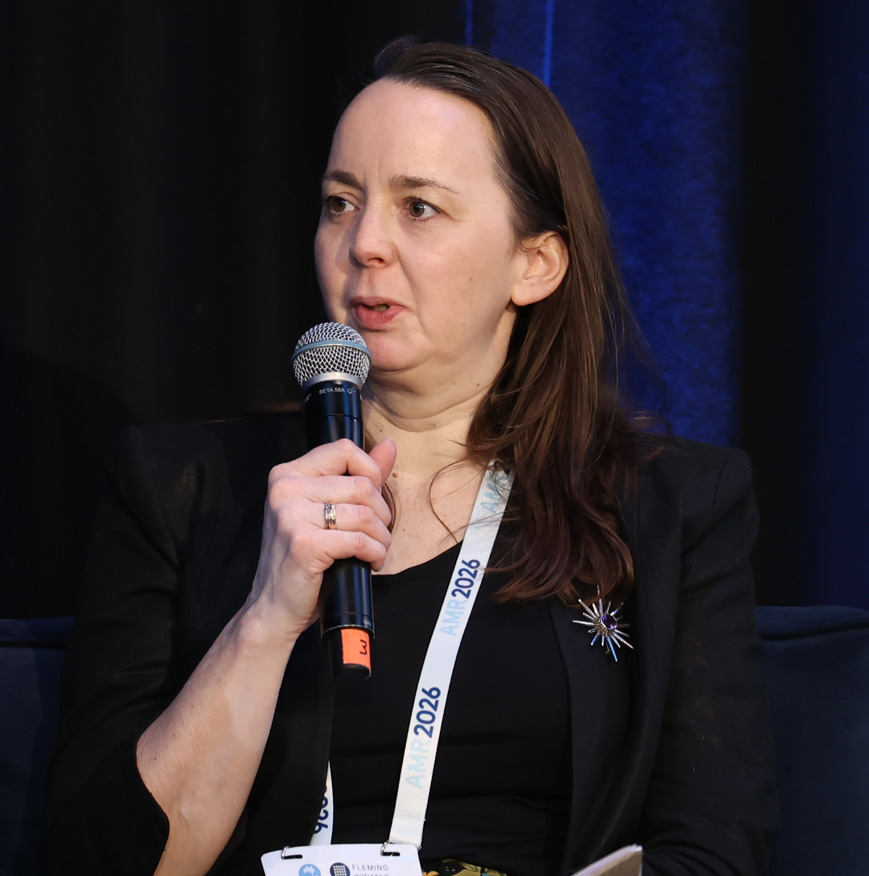
“We want to establish a good dialogue with these organisations so we don’t duplicate our efforts but instead fill the knowledge gaps because there are a lot of them.”
Elizabeth Hedstrom, Senior Analyst, Swedish Research Council (SRC)
The session concluded that AMR funding too often diagnoses symptoms rather than implements solutions, and that long‑term resilience depends on implementation research that builds in‑country capability and ownership and measures whether interventions improve outcomes rather than simply produce outputs.

“Implementation science isn’t just about improving implementation. It’s about understanding what the implementation blocks are, building capability in country to find those blocks and work out solutions, and designing programmes that measure whether those solutions are solving the problem. That’s an area we see as really important and have been trying to strengthen through both the science and the funding.”
Steve Wesselingh, CEO, National Health and Medical Research Council (NHMRC)
Finally, on ‘who is missing,’ the session participants argued that the system still underrepresents affected communities especially LMIC voices, Indigenous and First Nations communities, and migrant and newly arrived communities, suggesting that a credible global public-good approach requires a standing equity filter in both governance and funding choices.
“The next high-level meeting on AMR is in 2029. We will collectively be judged by how much progress has been made. Not in laboratories or on policy tables, but in clinics and communities. … continued collaboration, convergence research, evidence driven action, focus on the most affected communities, and maintained political engagement is what will keep the momentum needed to solve this most urgent health challenge.”
The Hon. Julia Gillard AC
Actions and considerations for follow‑through to 2029
- Treat concentration as a resilience mechanism, building diversity of funders and predictable multi‑year commitments so ecosystems don’t contract when one actor steps back.
- Shift funding mixes toward implementation and local ownership, including capability building in-country and measurement of outcomes (not just activities), especially when deploying new tools like AI.
- Invest in transparency infrastructure such as shared investment tracking and open dashboards to maintain shared visibility of who funds what, where and when, which will help reduce duplication.
- Design partnership governance that keeps ‘who wears the shoe’ at the table, borrowing tested models (e.g., country coordination mechanisms) so affected communities shape priorities and accountability.
- Build durable collaboration platforms across regions, enabling sustained dialogue between funders, policymakers, and implementers so global ambition translates into systematic national and sub‑national action.
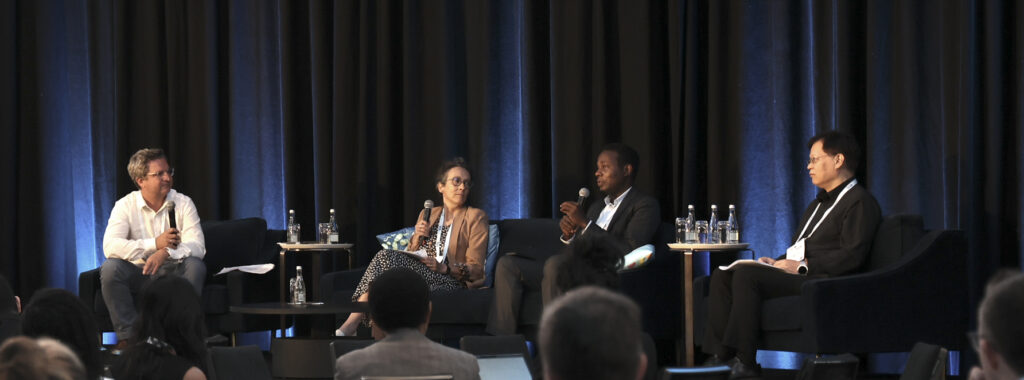
Keynote 3, Panel 2: The promise and pitfalls of public private partnerships
Public–Private Partnerships (PPPs) can be rocket fuel or sand in the gears for AMR solutions across human and animal health. When partners align on goals, governance and how products will be used, PPPs can bring essential tools and services to countries quickly and sustainably. This session explored practical field-tested PPP models that help industry, not-for-profits, and delivery partners work together from the outset to achieve real-world impact.
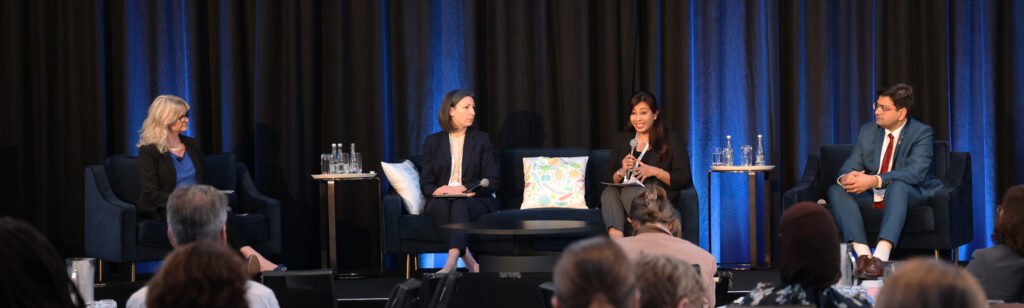
Summary
This session treated PPPs as a design challenge under real constraints: thin anti-infective markets, stewardship obligations, uneven regulatory readiness and, especially in animal health, chronically underfinanced delivery systems.
Deliberate design
A concrete human-health case study anchored the first half of the panel: Shionogi’s collaboration with GARDP and the Clinton Health Access Initiative (CHAI) to expand access to cefiderocol, a WHO ‘Reserve’ antibiotic (as defined in the WHO AWaRe antibiotic book) already approved by the FDA (2019) and EMA (2020), but historically at risk of reaching low and middle-income countries years later. Shionogi was described as a mid-size pharmaceutical company with a global presence. The central rationale for a PPP here was not only footprint and manufacturing capacity but also the need to build stewardship into the access pathway. The partnership structure gives GARDP the ability to manufacture and commercialise cefiderocol across 135 countries, primarily LMICs, while maintaining closer collaboration on responsible use than would be typical under more arms-length models.

“Shionogi is committed to ensuring patients worldwide have access to our products, and we view this collaboration as an opportunity to accelerate accessibility …. cefiderocol is intended only for certain serious Gram-negative bacterial infections, so stewardship protocols, clinical guidelines and diagnostics have to be part of the arrangement.”
Monika Schneider, Senior Director, Global Infectious Disease Policy, Shionogi
The session then drilled into the realities of access. A recurring point was that a voluntary licence (where the originator grants permission for a partner to manufacture, register and supply the product in defined markets) is necessary but insufficient unless it is matched by an operational plan: manufacturing timelines, supply commitments, forecasting and demand planning, regulatory sequencing, and stewardship safeguards aligned to public health need rather than high‑volume sales incentives. The panel emphasised that access only becomes real when sequencing is planned: which countries receive the product first (country sequencing) and how approvals are pursued to make that feasible (regulatory sequencing). On that basis, country sequencing choices were guided by public health urgency, using resistance data and WHO priority pathogen lists to identify unmet need, and explicitly aiming for settings where the market would not reach on its own.
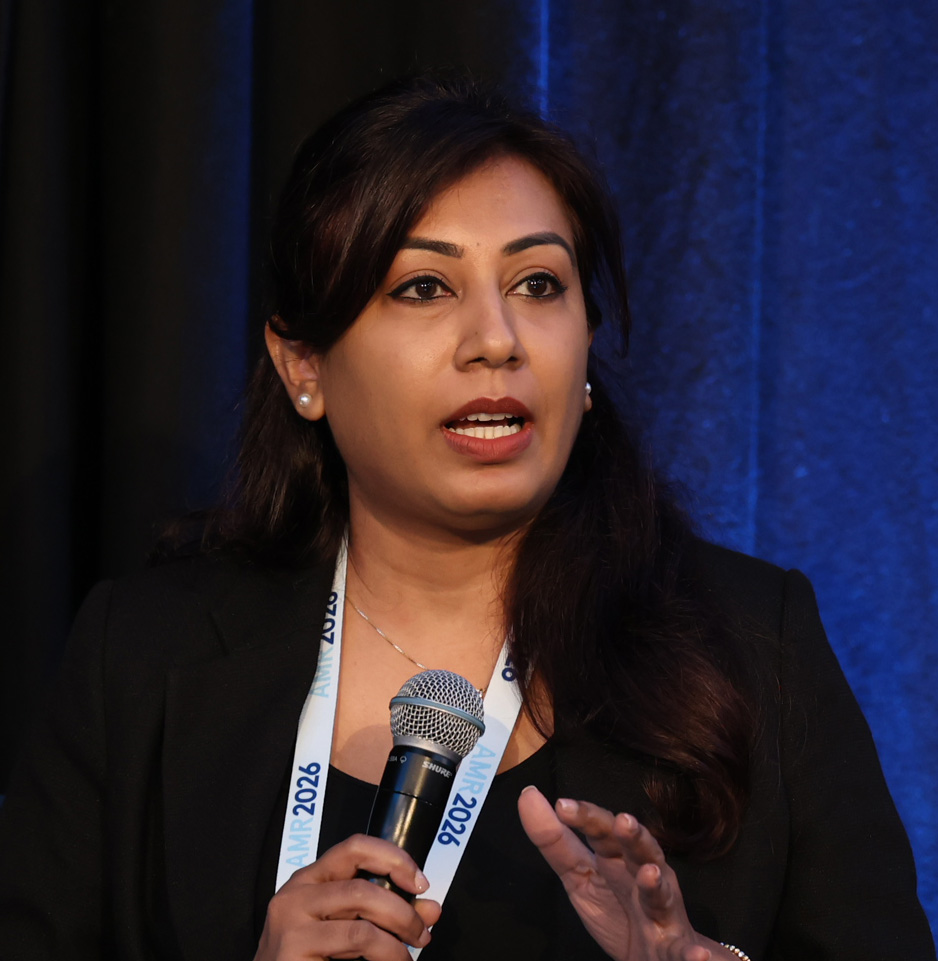
“Access on paper can look very broad. In reality, it depends on manufacturing timelines, regulatory readiness, country sequencing, demand forecasting, and stewardship all working together.”
Malini Sivapragasam, Policy Advocacy Manager, Global Antibiotic Research & Development Partnership (GARDP)
Tech transfer emerged as a major pressure point in access partnerships. Building cefiderocol manufacturing capacity required dedicated facilities to avoid cross-contamination, specialised equipment with long lead times, and the added complexity of a sterile injectable product. A striking example was a single piece of equipment reportedly carrying a lead time of more than a year and a half. These details were used to make a broader point: PPP design must price in operational friction otherwise timelines slip, costs escalate, and confidence erodes even when partners are aligned.
A second human health comparison sharpened the idea that PPPs are not ‘one size fits all.’ The panel contrasted cefiderocol (where the product already exists and the partnership acts mainly as an access accelerator) with zoliflodacin for drug-resistant gonorrhoea (where the partnership logic shifts upstream into risk sharing, clinical development, and trial design). Both of these products resulted from an innovative development pipeline, which will continue to be critical for future access partnerships. The implication was direct: if equity is introduced late, it becomes retrofit; if it is embedded early, it becomes encoded into development and delivery decisions.
The session then moved to animal health and to a broader point about what ‘private’ means in PPPs. It was framed as more than pharmaceutical companies and includes producer groups, communities, farmers, veterinarians and paraprofessionals yet many AMR action plans still reference partnership in general terms without specifying roles, commitments, or resourcing. The discussion pointed to practical tools (including a WOAH PPP handbook and case studies) that translate aspiration into implementable guidance, and to examples where partnerships have been structured around real constraints for smallholders. A Newcastle Disease vaccine example from India illustrated this. A commercial manufacturer adapted the poultry vaccine into smaller, thermostable dose packs that were better suited to smallholder needs. This delivery model was scaled through government and NGO partnerships, enabling the vaccination of more than 100 million birds. This case illustrates the role of PPPs across the entire value chain. At the same time, the panel cautioned that even successful models can be fragile if they rely on individual champions rather than durable institutional arrangements and an enabling legislative and regulatory environment.
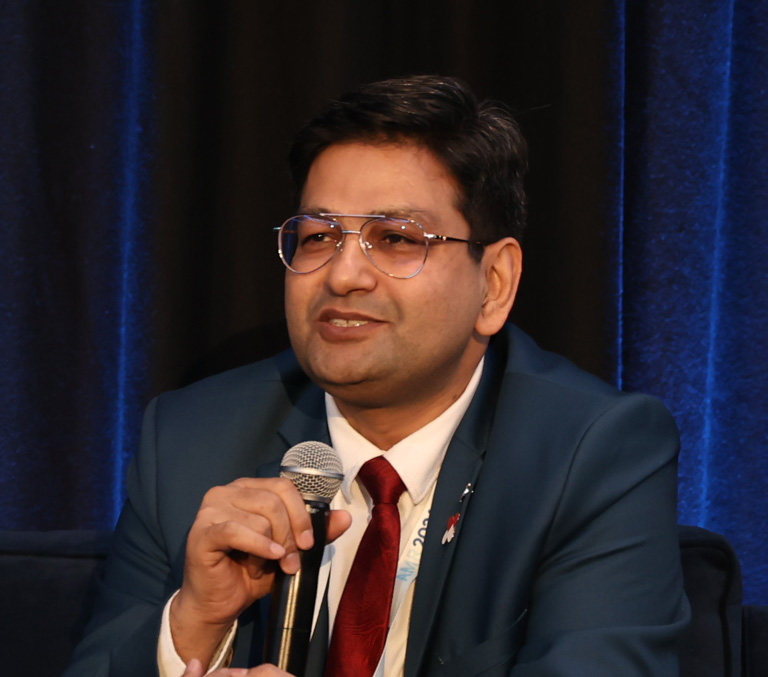
“If a partnership relies on personal ownership, it risks collapsing when individuals leave or political dynamics shift. What we need instead is a system built on continuous communication and genuine consultation; one that builds trust in the system itself, creates real value, and gives both public and private players the confidence to invest.”
Rahul Srivastava, Public-Private Partnership Programme Manager / Capacity Building Department, WOAH
Actions and considerations for follow‑through to 2029
- Design PPPs around delivery realities: account from the start for manufacturing capacity, equipment lead times, regulatory sequencing, and forecasting when setting timelines and milestones.
- Encode stewardship into access models for reserve antibiotics: align diagnostics, clinical guidelines, reimbursement signals and “no high-volume sales” incentives as contractual expectations.
- Consider equity up front and agree early on country sequencing based on public‑health urgency (e.g. resistance burden and WHO priority pathogen lists), and align sub-licensing, regulatory, and supply decisions so there is equitable and priority-based access at point-of-care in high‑need settings.
- Treat tech transfer as a major workstream: resource it explicitly (people, time, facility requirements) and require responsible manufacturing practices alongside technical capability.
- Build PPPs as organisational-leadership-led systems, especially in animal health: define who does what, who commits resources, and how continuity survives political or personnel turnover; use practical guidance tools (e.g., handbooks, case studies) to standardise roles and create an enabling legislative and regulatory environment for effective partnerships.
Session 18 – An interview with Lord Jim O’Neill: The Economic Argument
What happens when the world ignores AMR? Branwen Morgan spoke with Lord Jim O’Neill, the economist behind the landmark 10‑million‑deaths‑by‑2050 warning. They confronted the stalled global response, the trillion‑dollar economic stakes, and why diagnostics and bold incentive models like advance market commitments could be the game‑changers policymakers keep missing.
Making markets work
This interview revisited the economic framing that helped propel AMR onto the global agenda a decade ago and then confronted the uncomfortable question of what has and has not moved since. The 2014 Review’s headline estimates (10 million deaths a year and 100 trillion USD in lost growth by 2050 under a central scenario) were explained as the product of a deliberately comparative exercise: modelling a world where AMR is solved against a range of worlds where AMR worsens and taking the difference to quantify the economic stakes. The underlying logic was that AMR is not a narrow health problem but a system-level constraint on modern life: if effective antibiotics are lost, infection risk returns as a binding limit on routine care and procedures that current health systems take for granted, and the macroeconomic consequences follow.
Jim O’Neill: “There are weeks where I think AMR is bigger than climate change, it relates to climate change, but if we’re facing 10 million deaths a year and massive GDP losses, it’s right up there as a global risk.”
Looking back from today’s vantage point, the assessment was mixed in a way that sharpened rather than softened the argument for urgency. In animal agriculture, the interview pointed to a surprising though uneven improvement: reductions in antibiotic use in some Western markets appear to have progressed further than expected, driven less by coordinated global policy than by shifting consumer behaviour and voluntary market signals. At the same time, this was framed as a partial and fragile win as the challenge remains acute in many emerging settings, and the absence of coordinated global rules on animal use continues to leave large gaps. The interview treated this ‘better than expected’ outcome as instructive. Demand-side shifts, even when voluntary, can move practice faster than formal international agreements and that lesson matters for other AMR domains where incentives remain misaligned.
In contrast, the diagnosis for human health innovation was blunt: progress in persuading large pharmaceutical companies to invest in new antibiotics was described as negligible despite years of discussion. The interview returned repeatedly to market failure as the central explanatory frame because society needs antibiotics conserved, but private business models rely on volume, creating a structural mismatch between public health goals and commercial incentives. This is why the conversation placed heavy weight on diagnostics. The argument was not that new antibiotics are unimportant, but that reducing permanent, unnecessary demand is a foundational intervention, stopping antibiotics being used like ‘sweets’, and that affordable point‑of‑care testing is one of the most direct ways to do so. In the interview’s reading, the striking feature of the last decade is that diagnostics, despite being potentially the biggest demand-reducing lever have not progressed at scale.

“We’ve had zero progress, from what I can tell, on diagnostics, which would help reduce the unnecessary demand … possibly the biggest required intervention.”
Lord Jim O’Neill
The political story was presented as equally consequential. The interview described an early surge of attention: AMR rose quickly into G7/G20 statements and high-level multilateral agreements, helped by visible leadership at the time. But that momentum was portrayed as brittle, vulnerable to leadership turnover and geopolitical shifts. As the international environment moved toward more contested cooperation, AMR lost salience amid competing crises and fracturing multilateralism. The result, in this view, is not that the economic argument was wrong, it is that it was not converted into durable political incentives and market mechanisms that survive electoral cycles.
Against that backdrop, the interview focused on a more tactical strategy, which was to pick a defined problem where a workable incentive can be demonstrated and use it as proof that markets can be rebuilt. This is where neonatal sepsis became the focal point. Initially it seemed too specialist, but the case strengthened precisely because it is bounded, measurable, and morally compelling: large numbers of newborn deaths in emerging settings are linked to drug-resistant infection and the absence of effective treatment. A successful diagnostic in this domain was framed as both lifesaving and system-shaping, as a concrete product with demonstrable value could reduce unnecessary antibiotic use and provide a replicable template for other conditions.
Advance Market Commitments (AMCs) were presented as the core instrument for making that shift. They are described as conditional ‘lump sum prizes’ that align incentives around real-world adoption rather than mere invention.

“An advance market commitment is like a lump sum prize that is only paid out if it’s safe, it works, and it’s being used for the designated purpose—and if those conditions aren’t met, nobody pays anything.”
Lord Jim O’Neill
Importantly, the interview distinguished diagnostics from antibiotics: there is no single universal model for diagnostics across illnesses, so AMCs must be designed around specific use cases, settings (community vs hospital), and pricing realities. That complexity is not an argument against action; it is a design constraint that requires disciplined, country-anchored test cases and credible funding. The interview suggested a practical path: start with one sufficiently large country to “get it going properly”; once usage and payment conditions demonstrate a functioning market, other countries and producers have clearer signals to follow.
Finally, the interview returned to technology, notably AI, not as a slogan but as a potential cost curve shift. The logic offered was straightforward: if AI cannot materially improve outcomes in health and education, it is hard to justify the hype; but if it can reduce the cost and time of diagnostics development, trial design, and evidence generation, it could make the ‘right price’ for new tools more attainable. In this framing, AI is not the solution by itself. It is an accelerator that only matters if paired with incentives (like AMCs) and political seriousness that makes AMR comparable in priority to climate risk.
Actions and considerations for follow‑through to 2029
- Rebuild the demand-reduction agenda around diagnostics: Treat affordable point-of-care testing as a primary AMR intervention (not an adjunct), with explicit targets tied to reductions in unnecessary prescribing.
- Use a proof case to demonstrate a working market: Progress a neonatal sepsis diagnostic pathway as a testable model that can be translated to other conditions once validated.
- Design an AMC that is conditional on real-world use: Structure incentive payments around safety, effectiveness, uptake, and designated use so reward follows impact, not just product launch.
- Start with one lead country and scale by demonstration: Identify a sufficiently large, implementation-ready country as the first AMC test case to create credible market signals for producers and follow-on adopters.
- Quantify the business case with clearer pricing and use-setting assumptions: Advance the work on ‘right price’ across community vs hospital deployment, and link price design to measurable health and antibiotic-use outcomes.
- Pair incentives with political reengagement: Put AMR back into leaders’ agendas by tying it to macroeconomic risk and health-system functioning, and by recruiting champions who can survive electoral cycles.
- Apply AI where it lowers costs and timelines: Focus AI efforts on reducing diagnostic development costs, improving trial design, and accelerating evidence generation then fold those efficiencies into AMC pricing and affordability assumptions.
Session 19 – Robust evidence, real value: Economics of AMR interventions – Humans
AMR economics are broken. The value of AMR solutions is far bigger than today’s narrow ROI models suggest especially for preventives and novel interventions. This session cut to the core: without consistent clinical endpoints, comparable trials and holistic valuation that counts avoided infections, preserved efficacy and healthsystem resilience, we keep underestimating the impact of diagnostics, vaccines, and antimicrobial alternatives.

Summary
Session 19 examined how health products relevant to antimicrobial resistance are valued, and why current economic and health technology assessment approaches often fail to reflect their full contribution to health systems. The discussion focused less on scientific novelty and more on how evidence is generated, interpreted, and ultimately used to decide what governments fund, reimburse, and prioritise.
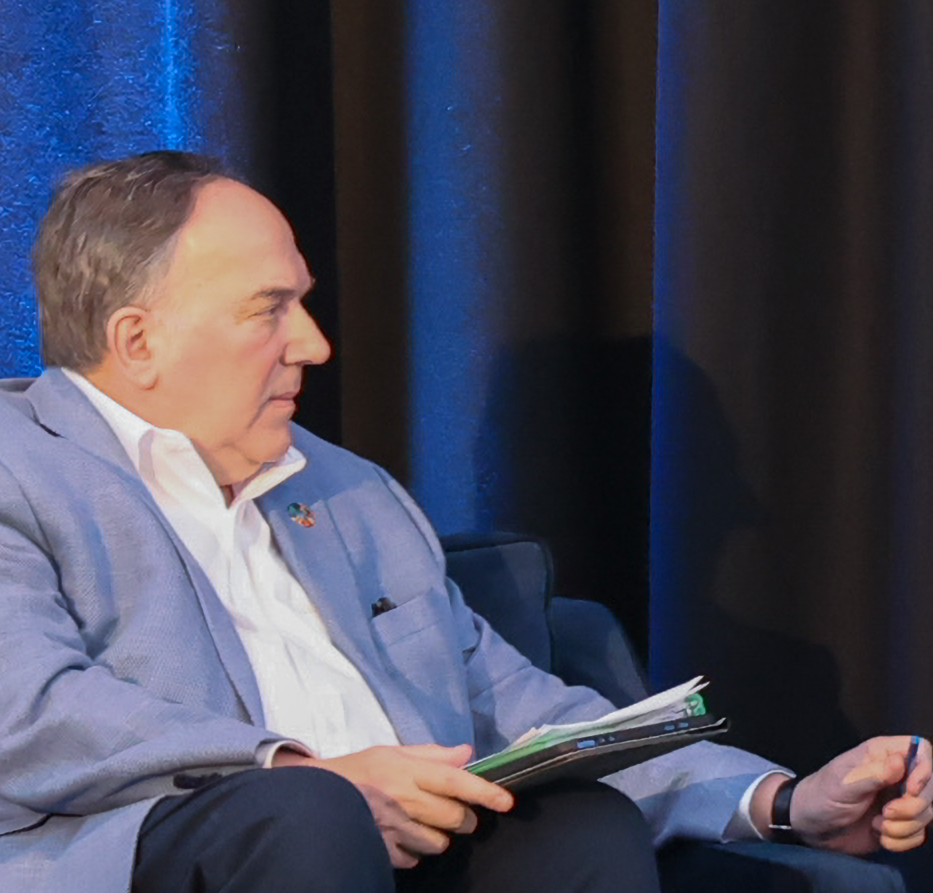
“Vaccines, diagnostics, and alternatives to antibiotics deliver benefits that extend far beyond individual patients. Yet our current evidence frameworks struggle to capture avoided infections, preserved antibiotic effectiveness, and long‑term health‑system resilience. As a result, many high‑impact interventions remain systematically under‑recognised in funding, reimbursement, and adoption decisions.”
Jeffrey Sturchio, Co-chair, World Economic Forum’s Global Future Council on AMR
Redefining value
In the opening video, ADVANCE-ID directors Drs David Paterson and Mo Yin outlined the need for robust evidence to create real value in interventions to treat, diagnose and prevent AMR. Paterson described Advance-ID as a clinical trials network across Asia with 100+ hospitals, highlighting results from an observational study of nearly 10,000 patients with ventilator-associated pneumonia and hospital-acquired/healthcare-associated bloodstream infections. Crude 28‑day mortality was 35 percent, reaching 42 percent for ventilator-associated pneumonia and exceeding 50 percent for some carbapenem-resistant organisms. Yin outlined a stepped strategy: burden measurement and site capability-building (ACORN HAI); faster diagnostics through the RAPID randomised trial and implementation work via DETECT-Asia; infection prevention and stewardship trials including SHINE-ICU; and the adaptive TREAT-GNB platform trial testing multiple antibiotic combinations. They emphasised stakeholder engagement, implementation science, health economics, and public involvement to drive uptake and access.

‘Efficiency comes from standardised data collection, a shared focus on the right questions, and modern trial designs. But uptake depends on more than data. We need ongoing site engagement, co‑design with stakeholders, integration of implementation science and health economics, and engagement with the public.’
Mo Yin, Co-Director, ADVANCE-ID
A central theme was that existing assessment frameworks tend to privilege short‑term, patient‑level outcomes while overlooking prevention and system‑wide effects. Vaccines, diagnostics, and alternatives to antibiotics can prevent infections, reduce antibiotic use, and preserve effectiveness over time, yet these benefits are rarely captured as primary considerations in economic evaluation or health technology assessment. When such impacts are treated as secondary or omitted entirely, interventions with high public value may appear less competitive than treatments for other disease areas.
The discussion on vaccines illustrated this gap clearly. While vaccines are assessed on their ability to prevent disease, their contribution to reducing antimicrobial use and resistance is often not systematically measured or presented to decision‑makers. The speakers emphasised that this is not simply a technical issue, but a planning one: if endpoints are not defined early, data cannot be generated later. Examples were shared where large vaccination programmes created ideal natural experiments for measuring AMR impact, but the opportunity was lost because data systems and protocols were not designed with valuation questions in mind.
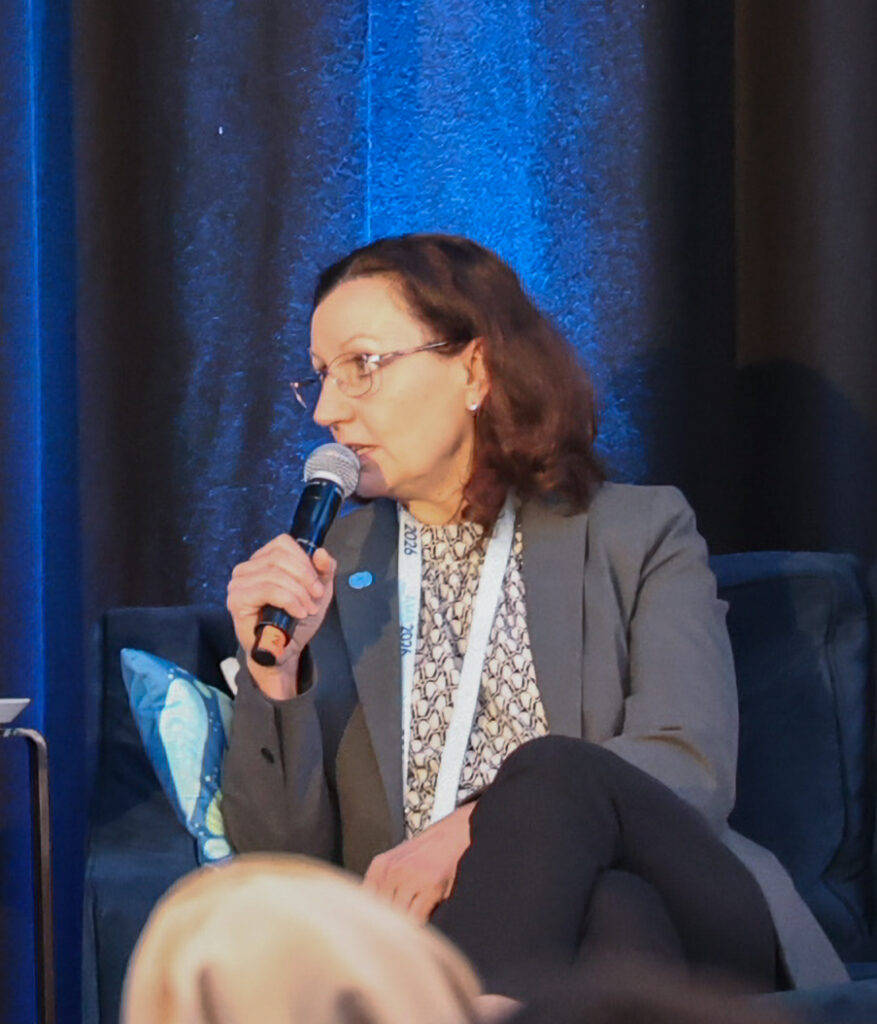
“It’s not very often in the scientific world where you have an opportunity to work with a question from the beginning. We need evidence to show what the impact of vaccination is going to be on antimicrobial resistance, and we have a chance now to make a standardised set of endpoints or protocols so we can give decision‑makers the evidence they need.”
Laura Plant, Senior Director of External Affairs, European Regional Office of International Vaccine Institute
From a health technology assessment (HTA) perspective, the session examined why AMR interventions sit uncomfortably within current reimbursement models. Many systems are built around assumptions of ongoing use and high volumes, which align poorly with stewardship principles that aim to minimise use. Participants noted that HTA frameworks have adapted in the past, for rare diseases and for technologies like genomic testing, and argued that similar adaptation is both possible and necessary for antimicrobials and prevention. This would require clearer ways of describing enabling value, such as the role of effective antibiotics in supporting surgery, cancer care, and intensive care, as well as payment models that do not depend on volume.

“You can already start to pick up the disparity between a financial model that’s based on continual use of the medicine in large volumes, and what we’ve been talking about for the last few days with antibiotic stewardship, which includes the shortest possible duration of treatment, and a whole raft of other drivers that are completely different to other medicines.”
Robyn Ward AM, Deputy Vice-Chancellor (Research and Enterprise), Senior Vice-President, Monash University
The discussion also highlighted the role of institutions and incentives. Funders, regulators, and advisory bodies shape what evidence is produced by signalling what will be valued. When broader outcomes, health economics, and implementation considerations are required upfront, researchers and developers respond accordingly. Several contributions emphasised that decision‑making bodies themselves may need support to interpret new types of evidence, just as they did when economic evaluation was first introduced into medicines and vaccine policy.
Overall, Session 19 argued that improving outcomes for antimicrobial resistance depends not only on developing new tools, but on changing how value is defined and assessed. Without deliberate shifts in evidence standards and assessment practices, prevention and system resilience will continue to be under‑recognised in policy and investment decisions.
Actions and considerations for follow‑through to 2029
- Develop a core set of valuation‑relevant endpoints for AMR interventions, including prevention, reduced antibiotic use, and system‑level impacts, to complement traditional clinical outcomes.
- Embed AMR‑relevant measures prospectively into trials and rollout studies, particularly for vaccines and diagnostics, so valuation questions can be answered without relying on retrospective reconstruction.
- Adapt HTA frameworks for antimicrobials and prevention, including clearer treatment of enabling value and consideration of non‑volume‑based reimbursement models.
- Require health economics and implementation considerations as standard components of AMR evidence generation, using funder and regulator expectations to normalise broader valuation.
- Build capability among advisory and assessment bodies (e.g. HTA agencies and immunisation technical advisory groups) to interpret and apply expanded outcome measures in decision‑making.
Session 20 – Robust evidence, real value: Economics of AMR interventions – Animals and agriculture
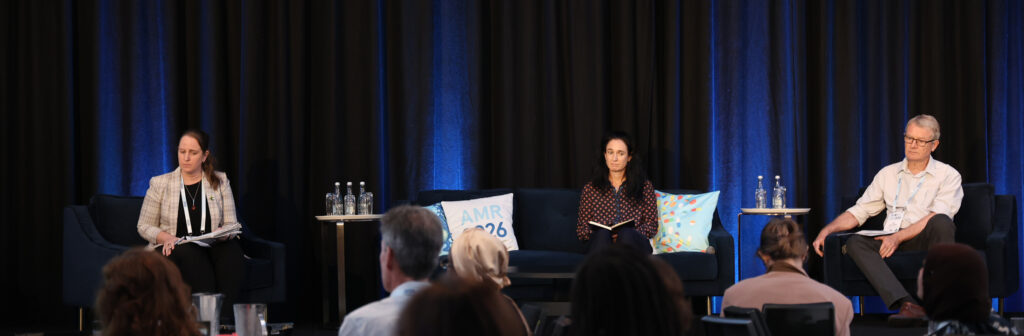
Animal health and AMR mitigation are strategic economic investments. This session explored how diagnostics, vaccines and antimicrobial alternatives prevent disease shocks, stabilise productivity, and protect trade, while emphasising the importance of context‑specific solutions. Global case studies show tailored approaches link profitability with reduced antibiotic use. Speakers discussed unlocking capital through ROI modelling and risk‑sharing to align public‑good benefits with commercial realities.
Summary
Session 20 shifted the economics discussion into animal health and agriculture, where questions and decisions are often based on commercial choices, under tight margins, and with immediate impacts on livelihoods. The session was structured as a series of short talks, with each presenter offering a distinct lens on how antimicrobial stewardship, diagnostics, and vaccines compete with other priorities in farm and biosecurity settings and what kinds of economic evidence moves action.
Valuation through a commercial lens
Kylie Hewson opened by contrasting public health valuation with animal health decision-making. She argued that in animal systems a dollar value is attributed to the life of the animal, whether through slaughter value, the economic value of outputs like milk and eggs, or the value placed on companion animals and horses. This shifts the framing away from sector‑wide cost–effectiveness models toward willingness‑to‑pay and return‑on‑investment decisions that producers and companies often make internally. She also flagged the real trade‑off behind many adoption decisions in LMICs, which is whether to spend money on an intervention or on immediate household needs, highlighting why proof of value must be tangible and context‑specific.
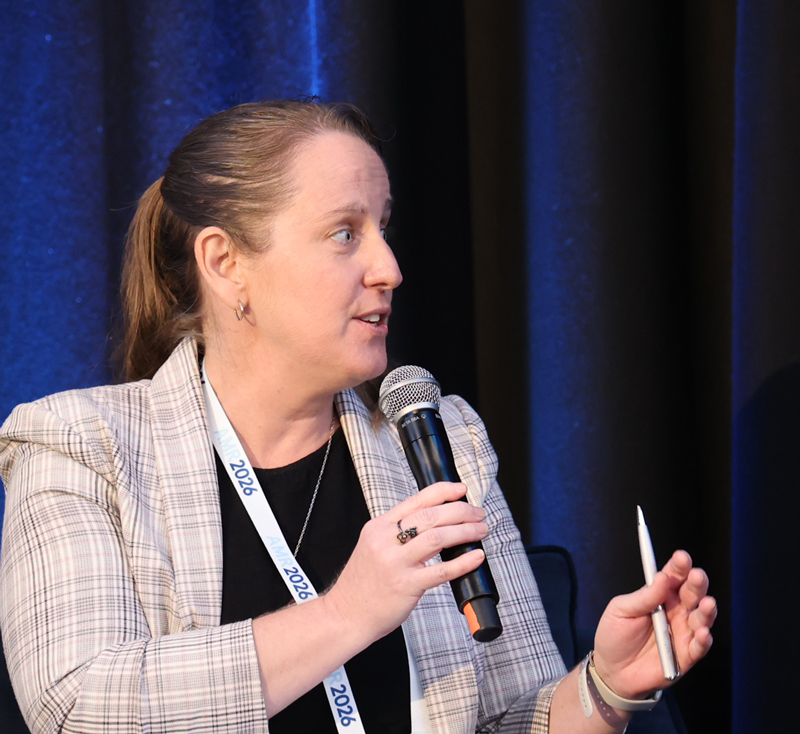
“It really is very different in an animal health context when you’re talking about economic analysis and impact … because, in animal health, there’s a dollar value attributed to the life of the animal.”
Kylie Hewson, Lead (Animal Health and Environment), Minimising AMR, CSIRO
Sujith Chandy then described ICARS’ implementation model as an attempt to make AMR solutions stick by integrating the realities of implementation with science, economics, and behaviour change. He emphasised that sustainability depends on political will and finance, but also on ownership among stakeholders and the fit between interventions and local settings. A detailed example grounded this approach: mastitis in a Kenyan dairy cooperative, where subclinical mastitis was estimated to cost USD 100–300 per cow per year, driving antibiotic use as a ‘quick fix.’ ICARS and partners are evaluating an integrated mastitis control bundle (including the California Mastitis Test) while explicitly incorporating farmers’ willingness‑to‑pay to ensure the proposed package matches what farmers can realistically sustain. He framed the value proposition in the language that matters at farm level: less mastitis, more milk, more money.
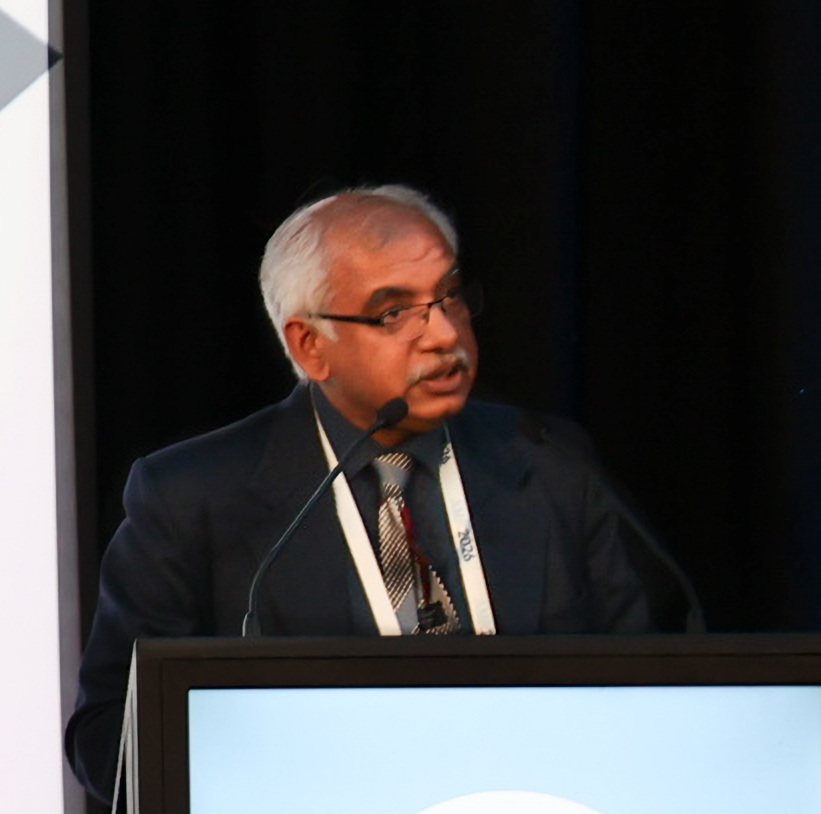
“The willingness to pay … was estimated to be around 150 Kenyan shillings … around 1.5 Australian dollars. So that aspect also needs to come into the economics … because unfortunately, it’s about profit or surplus in order to survive.”
Sujith Chandy, Executive Director, ICARS
Mieghan Bruce brought an epidemiological and economic measurement perspective, explaining how resistant infections change farm system economics through increased inputs (labour, feed, treatments) and reduced outputs (volume and quality of products), with knock‑on effects that can extend beyond the farm. She shared examples from disease burden estimates that included antimicrobial‑resistant clinical mastitis in Ethiopian dairy cattle, where the resistant component was estimated at USD 685 million in 2021 (4.4 percent of total disease burden), and global clinical mastitis costs estimated at USD 13 billion. She also highlighted a practical intervention example in Vietnam based on the message that ‘healthy chickens need no antibiotics.’ It combined farmer training, farm health plans, alternatives, and diagnostic support, with an average estimated benefit of USD 250 per farm, while cautioning that averages hide winners and losers. Importantly, she agreed that big numbers can motivate but warned that they rest on assumptions and can be misused unless translated into what farmers recognise and can act on.
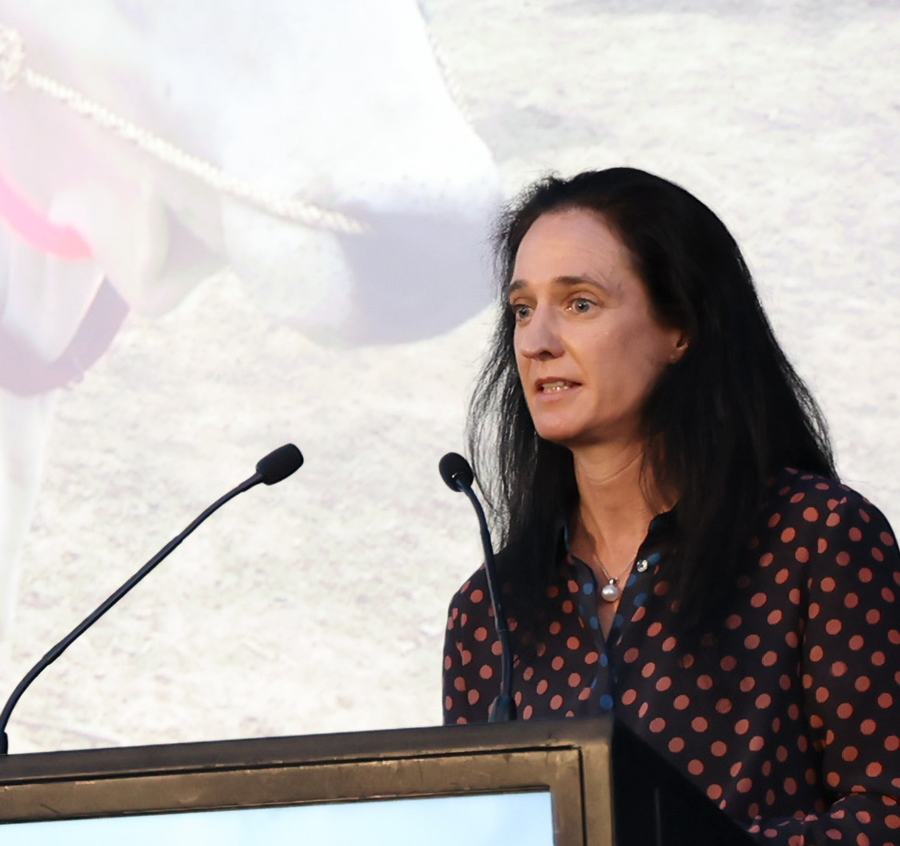
“When we have an infection … it increases the inputs into that system … but because the animal’s unwell, the output is also reduced.”
Mieghan Bruce, Associate Professor of Veterinary Epidemiology, Murdoch University
Jim Rothwell closed with a biosecurity investment case study focused on vaccine capability. He described how the arrival of lumpy skin disease in Indonesia in 2022 (and also foot‑and‑mouth disease the same year) sharpened Australian concern because insect‑spread diseases have historically crossed from the archipelago. He pointed to estimated economic impacts, such as a $70.4 billion figure linked to export losses, and explained how fear of incursion created early political and industry will invest. He then walked through a public‑private partnership approach to developing mRNA vaccine capability, co‑funded with Meat & Livestock Australia, and the challenge of sustaining momentum once urgency fades. A key lesson was the last mile funding problem: even with a credible risk and demonstrated progress, securing the final ~ AUD $1–2 million to produce test material to appropriate manufacturing standards became unexpectedly hard, delaying readiness.
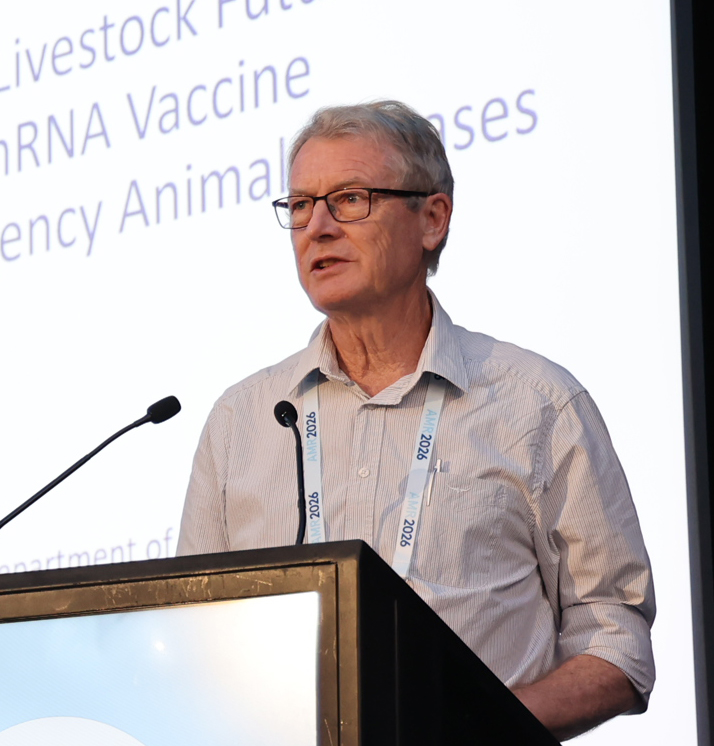
“We had plenty of action and support at the beginning … but now we don’t have that political imperative … Even a little outbreak is going to cost us $10 billion: so, it costs us $10 billion to save $1 million. It’s incomprehensible.”
Jim Rothwell, Director, Biosecurity and Food Safety DPIRD
Across the talks, the session returned to a shared point: valuation must match decision context. For farmers, it is often the economics of survival; for governments and industry, it is managing low‑probability, high‑impact risks; and for both, evidence must translate into practical choices, especially when adoption means moving from zero cost (doing nothing) to paying upfront for diagnostics, prevention, or preparedness.
Actions and considerations for follow‑through to 2029
- Translate big numbers into decision‑relevant units (per farm, per animal, per season; and for preparedness, per year of avoided export loss) so evidence connects to both farm‑level and policy‑level choices.
- Design stewardship and diagnostic interventions around willingness‑to‑pay and feasibility, explicitly incorporating who in the household/business controls spending and what trade‑offs adoption displaces.
- Build bundled, system‑fit solutions rather than single tools, pairing diagnostics with training, farm health plans, alternatives, and implementation support so benefits are realised in practice.
- Sustain platform infrastructure funding (data systems, trial/implementation capability, and manufacturing readiness) so preparedness doesn’t collapse when attention shifts to the next crisis.
- Use cross‑sector accounting for zoonotic and shared benefits, aligning incentives so livestock‑sector interventions that deliver major human‑health gains can be co‑funded and scaled.
Read the other AMR 2026 reports
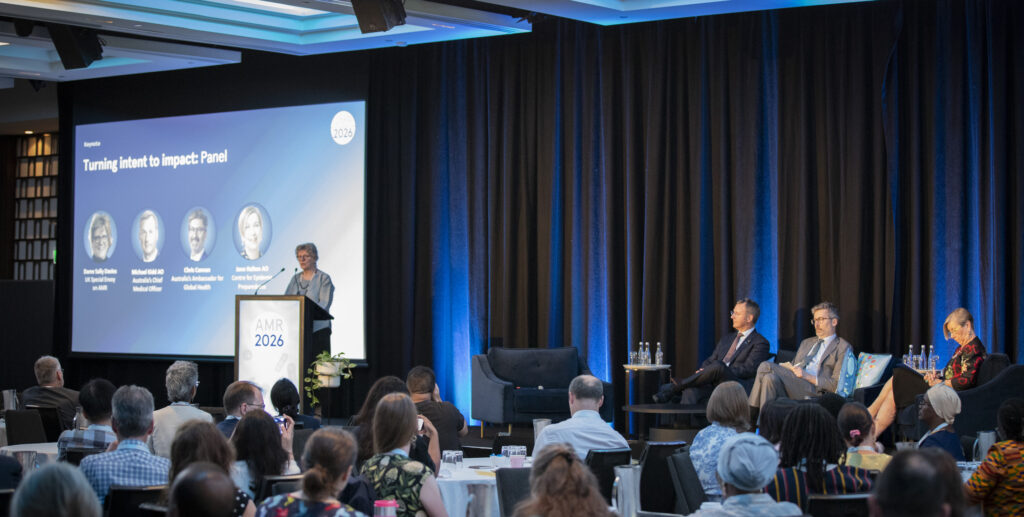
Theme 1: Political declaration: from ink to implementation
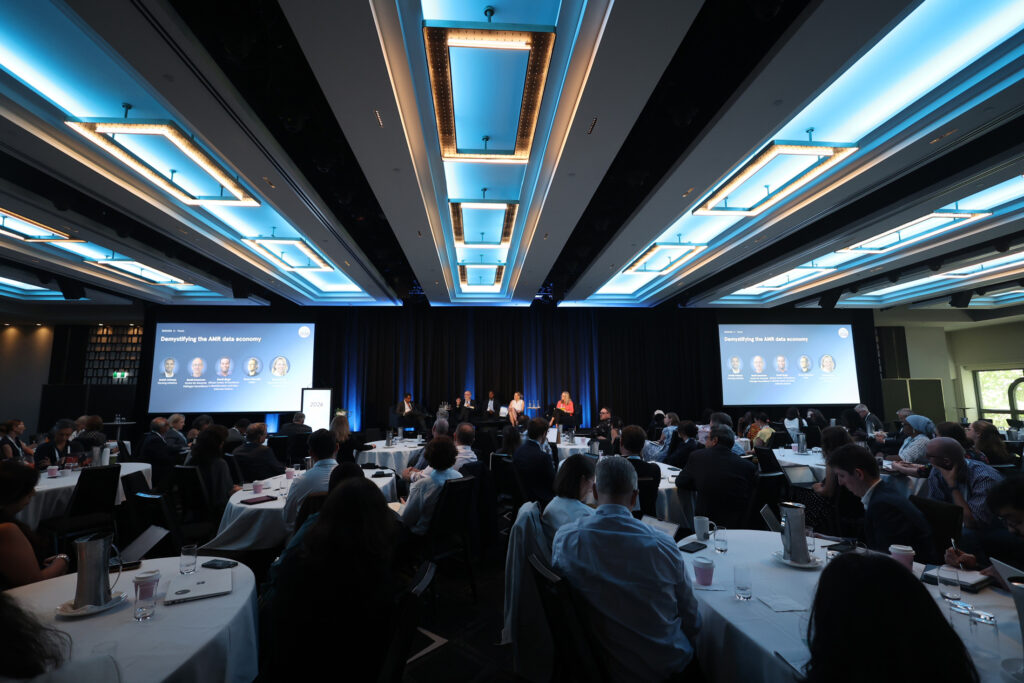
Theme 2: Data for decision-making
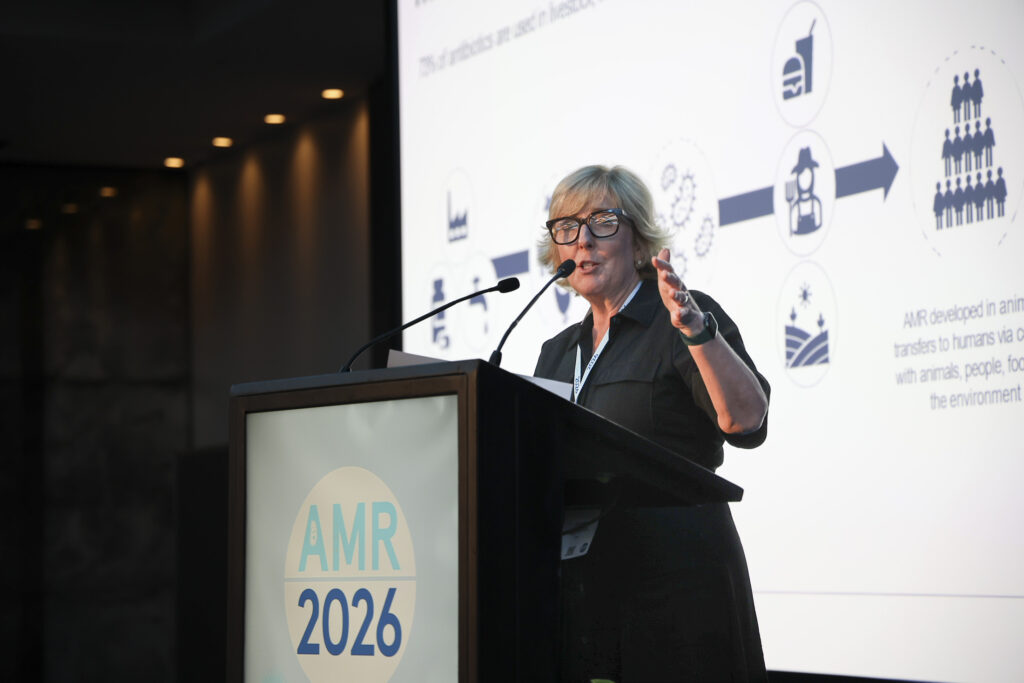
Theme 3: Investing through an AMR lens
Theme 4: Standards, stewardship, and support
Theme 5: Solution ideation, innovation, and impact
Theme 6: Consumers, communications, and campaigns
Theme 8: Early education