Recycling programs and innovations are making headway in reducing its contribution to the global waste burden, but not all packaging is easy to recycle.
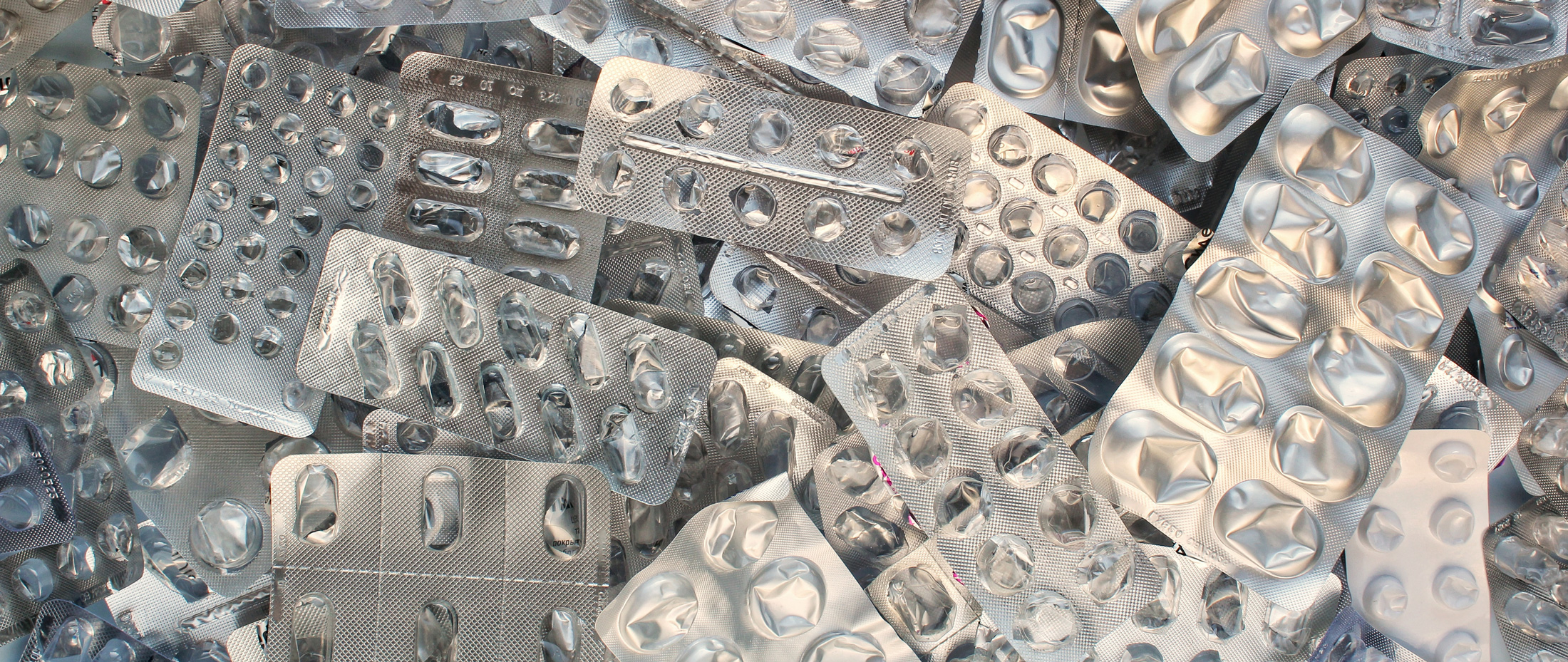
Pharmaceutical packaging presents a particular challenge because the materials used to protect medicines can be contaminated with drug residues that may have implications for human health or the environment, and can contain mixtures of materials like plastics, glass, paper and/or metal components that can vary in their recyclability.
Recycling programs such as PharmaCycle are finding ways to safely recycle blister packs into useful products such as plastic fences and raw aluminium. However, stewardship programs offering responsible disposal of pharmaceutical packaging are not common and regulations can present barriers to access, particularly for veterinary pharmaceuticals.
In Australia, the regulations governing the disposal and waste management of pharmaceutical packaging are complex and can vary between states and territories. In general, pharmaceutical waste (including pharmaceutical containers) generated in a clinical setting is required to be incinerated, while household pharmaceutical waste can be disposed of via general waste, as per State and Territory legislation.
The Therapeutic Goods Administration (TGA) is responsible for regulating label content for human medicines. Specific statements regarding product or packaging disposal are not required on product labels for human medicines, so consumers may not be aware of the most appropriate way to dispose of their leftover medicines or packaging.
In contrast, there are strict federal regulations on the disposal of veterinary pharmaceutical packaging, which limits access to recycling programs like PharmaCycle for these products..
The regulation of veterinary pharmaceutical packaging and its disposal falls under the jurisdiction of the Australian Pesticides and Veterinary Medicines Authority (APVMA). To meet the APMVA’s labelling criteria, the legislation requires that adequate instructions are provided regarding the disposal of the product and packaging, and all labels must comply with the Veterinary Labelling Code (VLC). Currently, the recommended statements included in the VLC are not aligned with contemporary government and societal expectations regarding waste management and product stewardship. For most veterinary medicines, including antimicrobials, registered labels typically instruct users to wrap containers in paper and throw them in the bin, a method that is both outdated and environmentally inadequate.
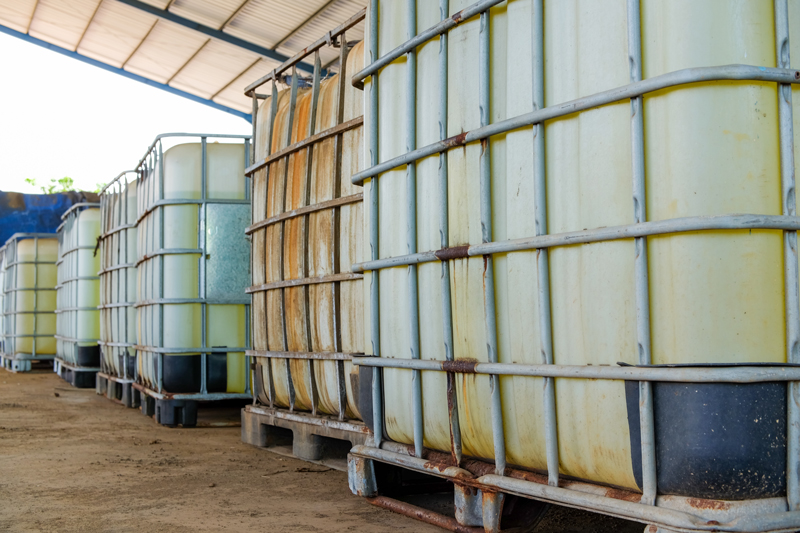
Unused, expired and unwanted animal health products and their containers may be eligible for responsible disposal and recycling via the ChemClear® or drumMUSTER programs, respectively – providing the original product was at least 1L or 1kg in volume or weight and meets other eligibility criteria. Both of these industry stewardship programs are operated by Agsafe and are well known and utilised by the farming community. However, due to the scale and costs associated with collecting chemicals across Australia, ChemClear only operates in each State or Territory once every two years. Containers with unused products must be stored safely and appropriately until collection.
To date, these programs have collected and disposed of more than 46 million agricultural chemical and veterinary medicine containers and 1,000,000 litres/kg of unwanted chemical. The majority of chemicals collected by ChemClear® are used as an alternate fuel source and containers are recycled into wheelie bins, road signs, fence posts, bollards and even new chemical drums.
For other animal health products, no national program exists for the responsible disposal or recycling of veterinary medicine containers and packaging – the logistics of offering a service to return or collect small volume pharmaceutical containers across Australia, particularly in remote and rural areas, is daunting.
“
No national program exists for the responsible disposal or recycling of veterinary medicine containers and packaging.
For smaller volumes of unwanted or expired pharmaceutical products – both human and veterinary – the Return Unwanted Medicines (RUM) Project provides a free and convenient disposal service, by providing a drop-off service via pharmacies across Australia for safe collection and disposal. The RUM Project offers an example of a genuine One Health solution for safe, responsible disposal of unused pharmaceuticals, which services both the human and animal pharmaceutical sectors and protects both human and animal health, as well as the environment. Providing additional collection points at rural agricultural stores and pet retailers would increase awareness and communication channels for pet owners and farmers.
Australia is not the only country grappling with this problem. In New Zealand and the United Kingdom, there have been reports of veterinary pharmaceutical labels that instruct users to follow local disposal and recycling arrangements that don’t exist or aren’t locally available.
Veterinary waste on farms might be just a small part of the overall agricultural waste burden, but vets and consumers of veterinary pharmaceuticals are demanding a better system that balances safety with sustainability.
There is also the opportunity for innovation in recycling technology to provide ways to safely close the loop for veterinary pharmaceutical packaging, that incorporates sustainable collection and repurposing approaches for even the more challenging waste materials such as syringes.
Whatever the solution, this needs to be approached as a global problem that requires international and cross-sector collaborations and communication to find solutions that are scalable, practical, feasible and adaptable to the regulatory environments of individual nations and regions.
As for the challenges of combating AMR broadly, the challenge of managing pharmaceutical packaging waste must be viewed through a One Health lens. It calls for approaches that allow the animal and human health sectors to share infrastructure in a way that supports the economic viability of recycling pharmaceutical packaging and ensures equitable access to that infrastructure.
Based on an interview with Katie Asplin, Director Animal Health Policy & Engagement at Animal Medicines Australia.
Reference: https://ourworldindata.org/data-insights/packaging-is-the-source-of-40-of-the-planets-plastic-waste
Bianca Nogrady is an award-winning science journalist whose reporting on science, health and the environment.
You may also be interested in:

Evolving clinical practice to curb antimicrobial resistance