Home /

Insight
Our ‘Insights’ articles provide deeper understanding and forward-looking viewpoints on the trends, challenges, and potential solutions in the battle against AMR.
-
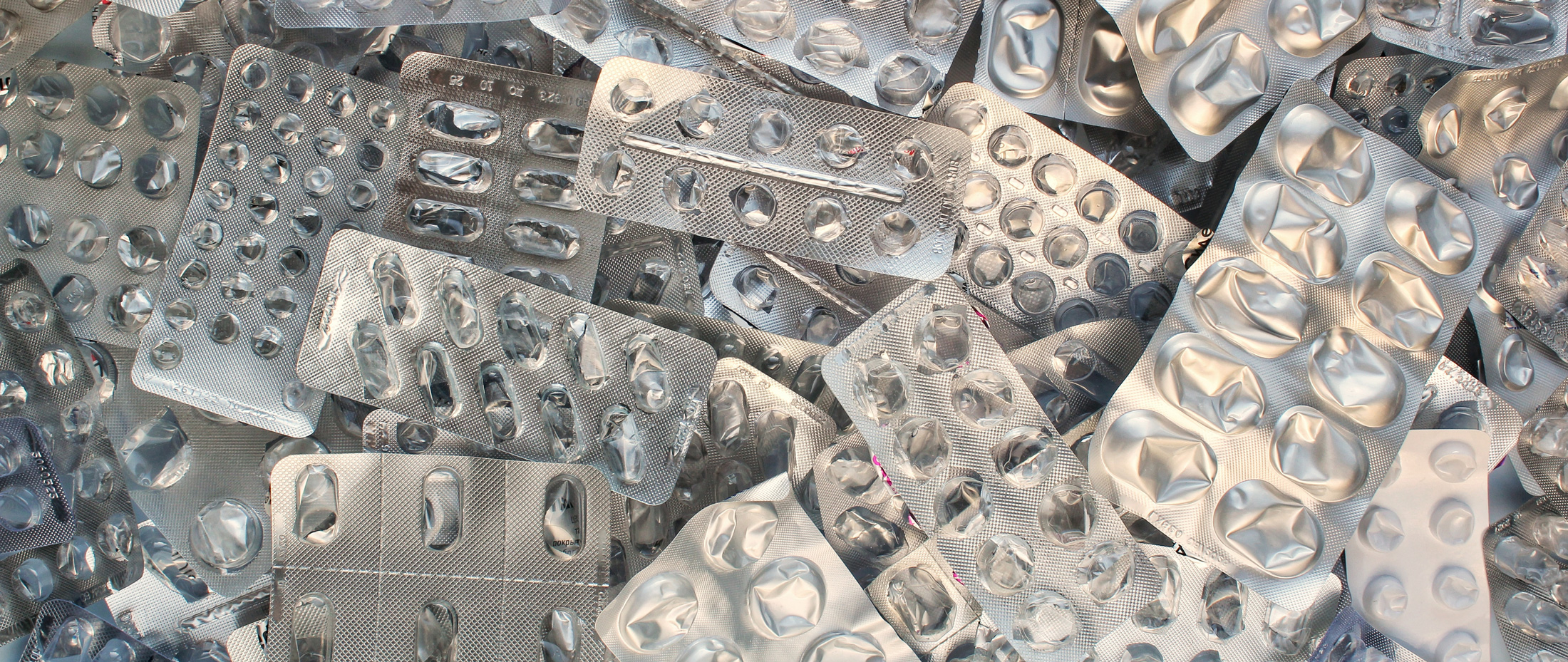
Veterinary pharmaceutical packaging – a global One Health challenge
Packaging is a major issue for humanity – 40 percent of plastic waste globally is made up of the wrappers and containers that products are sold in.
-
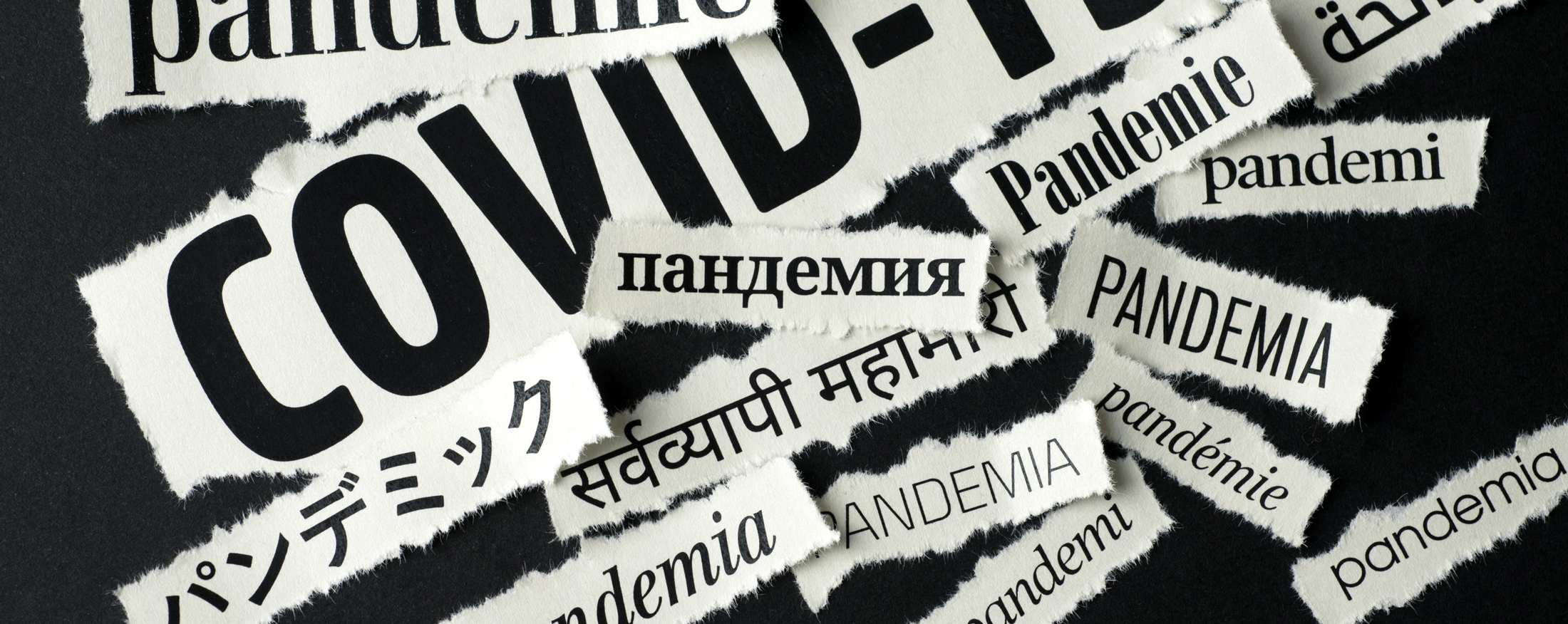
From pandemic to prevention: Communication strategies for AMR in diverse Australian communities
What lessons did we learn and how can they be applied to AMR communication?
-

Driven by Facts, United by Policy: Messaging to Mobilise?
Communicating the threat of antimicrobial resistance (AMR) is often hindered by inaccessible language and technical complexity.
-

How the pandemic changed Australia’s love of antibiotics
If there was one wafer-thin silver lining to the COVID-19 pandemic, it was that everyone rapidly learned what a virus was, and how it wasn’t a bacterium.
-
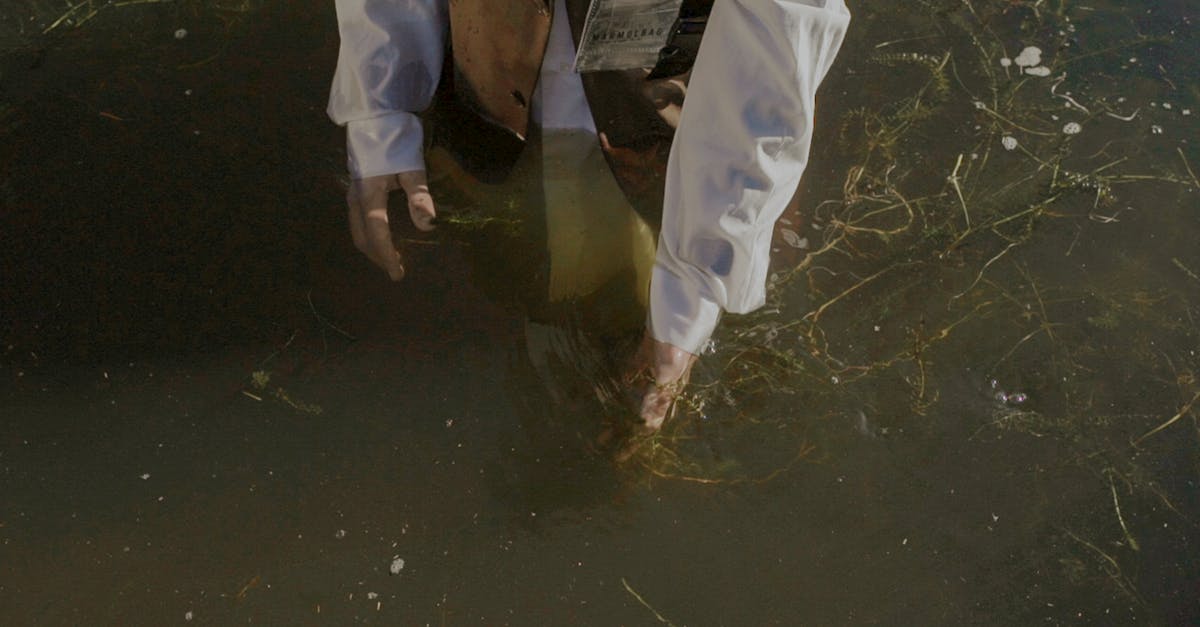
How to detect more antimicrobial resistant bacteria in our waterways
Antimicrobial resistance (AMR) in waterways presents a critical threat. If commonly used antibiotics are deemed useless, decades of progress in human medicine and agriculture could be undermined.
-

The threat of multi-drug resistant tuberculosis
TB kills more than 1 million people each year, and resistance to effective treatment is on the rise.
-

Dogs, cats, and AMR in Australia’s remote communities
It’s tough enough dealing with potential AMR in domestic animals in Australia’s major towns and cities, where well-stocked and resourced veterinary facilities are relatively easy to access.
-

The language of antimicrobial resistance: rethinking how we talk about AMR
Recent UK-based studies found that the language we use may be one of the biggest barriers to action.
-

Phage therapy holds promise for combating AMR
As antimicrobial resistance (AMR) increases, phage therapy offers promise not only as a treatment for antibiotic-resistant infections, but also as a potential alternative to antibiotics themselves.
-
Schools could be the first line of defence against AMR
By prioritising AMR education now, we can help conserve the effectiveness of antimicrobial drugs.