
Home /
One Health
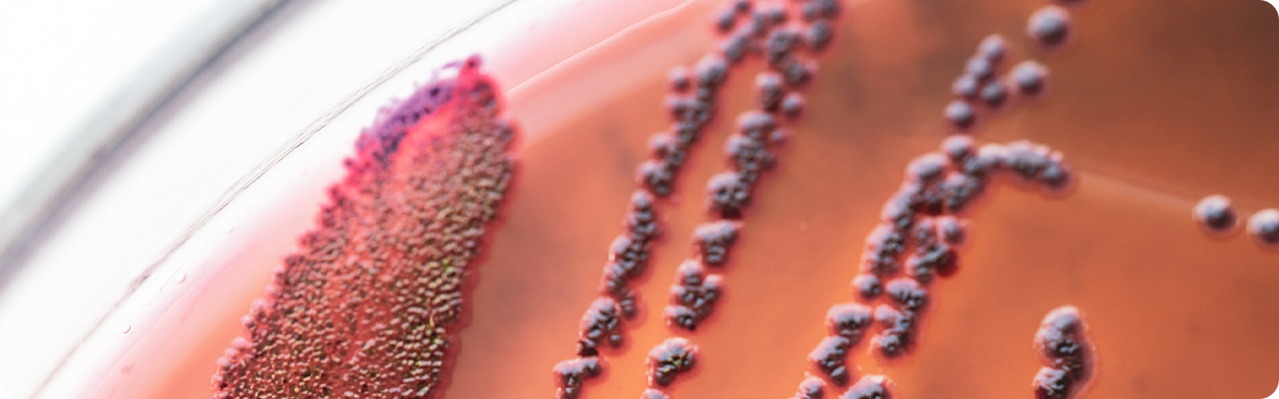
The One Health approach emphasises the interdependence of human, animal, and environmental health in the context of AMR. Addressing AMR effectively requires a coordinated approach that integrates efforts across all three sectors to mitigate its impact globally.
-
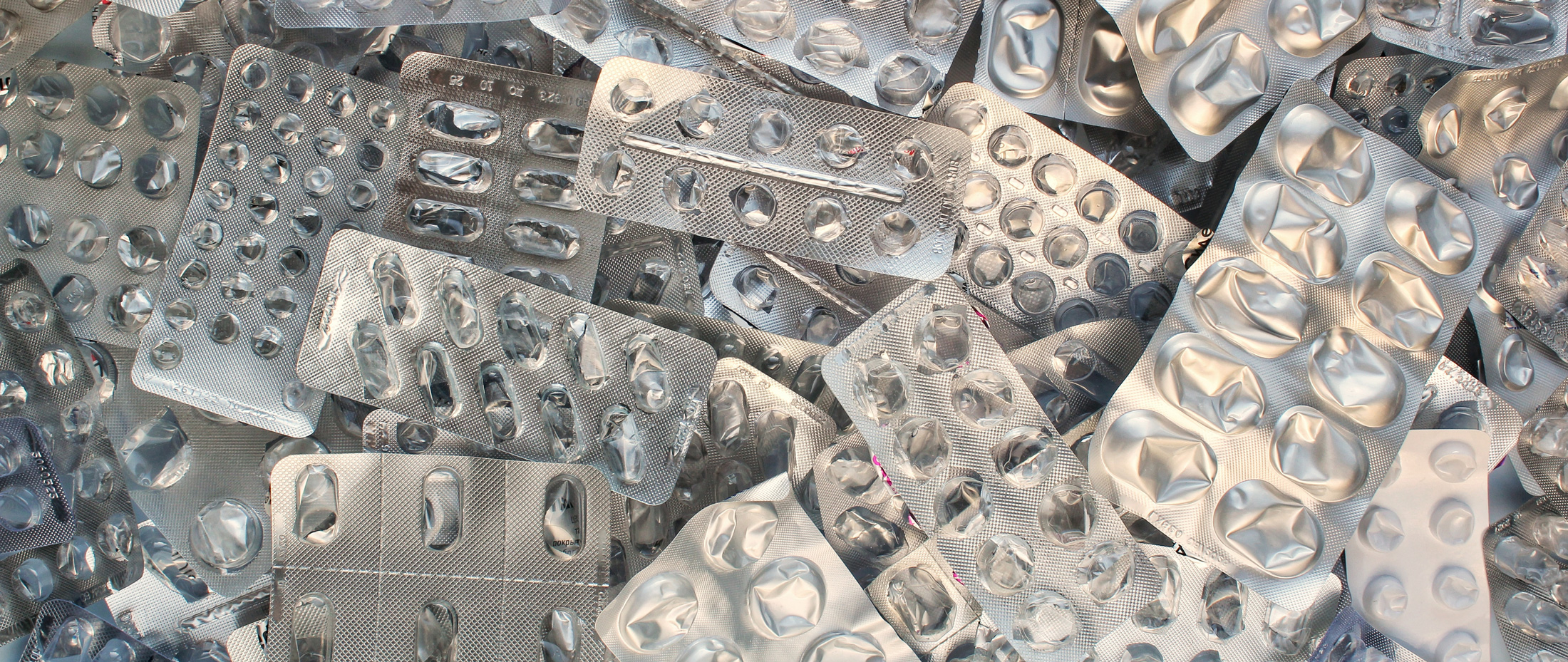
Veterinary pharmaceutical packaging – a global One Health challenge
Packaging is a major issue for humanity – 40 percent of plastic waste globally is made up of the wrappers and containers that products are sold in.
-
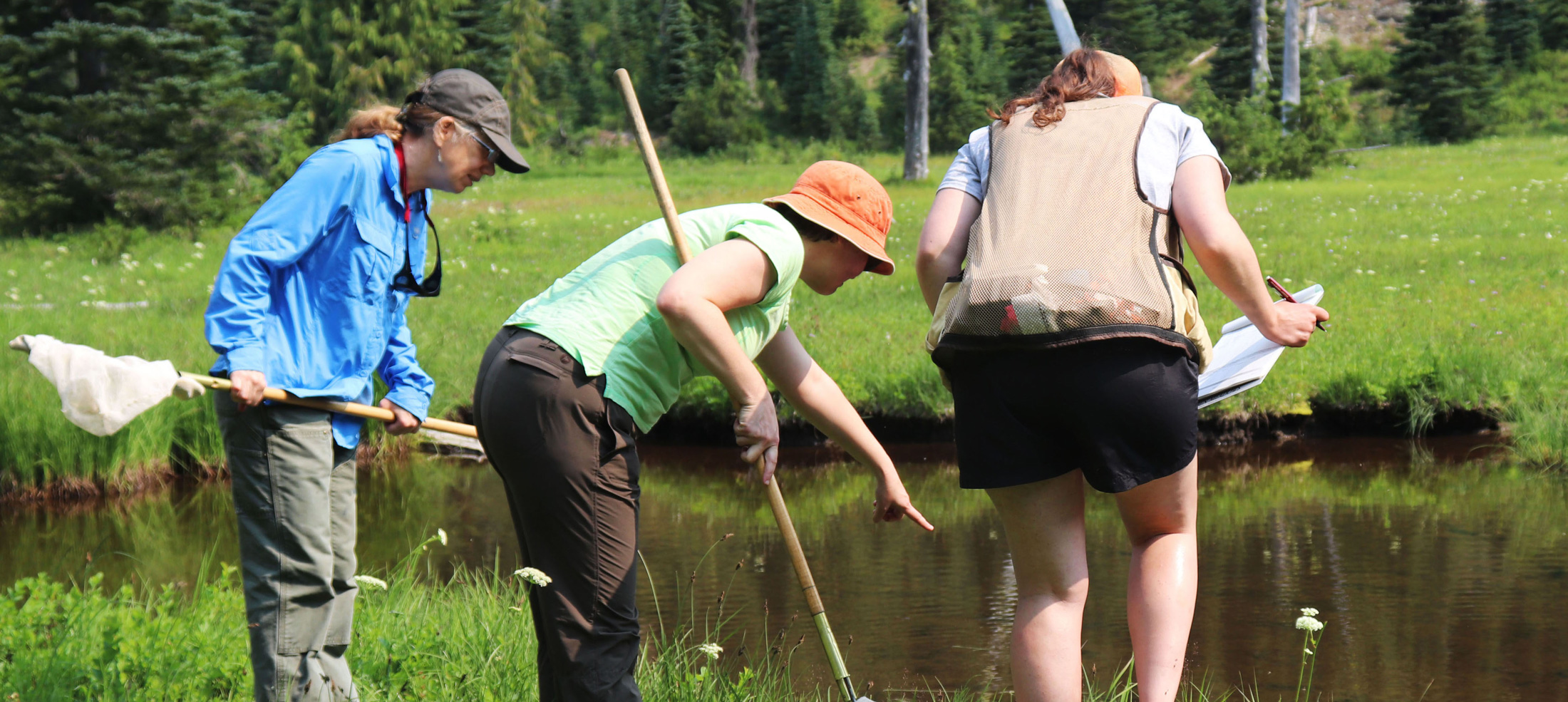
Citizen scientists join the fight against antimicrobial resistance
There is great potential in utilising citizen science projects in the fight against antimicrobial resistance (AMR).
-

Driven by Facts, United by Policy: Messaging to Mobilise?
Communicating the threat of antimicrobial resistance (AMR) is often hindered by inaccessible language and technical complexity.
-

Memes meet microbes: spreading awareness about antimicrobial resistance
We’re using the power of memes to raise awareness about the growing threat of antimicrobial resistance (AMR) and its impact on global health.
-
From farm to fork: Tracking AMR in Australia’s food supply
Antimicrobial resistance (AMR) is often seen as a hospital problem, but it can impact our everyday lives in less obvious ways — through the food on our plates.
-

How the pandemic changed Australia’s love of antibiotics
If there was one wafer-thin silver lining to the COVID-19 pandemic, it was that everyone rapidly learned what a virus was, and how it wasn’t a bacterium.
-

What lies beneath: AMR in Australia’s water
An often-overlooked aspect of antimicrobial resistance (AMR) is its emergence and spread in the environment, particularly in water sources.
-

Dogs, cats, and AMR in Australia’s remote communities
It’s tough enough dealing with potential AMR in domestic animals in Australia’s major towns and cities, where well-stocked and resourced veterinary facilities are relatively easy to access.
-

Schools could be the first line of defence against AMR
By prioritising AMR education now, we can help conserve the effectiveness of antimicrobial drugs.
-

The rise of antifungal resistance
Stakeholders must decide how to balance food security with antifungal drug development for humans.