
Home /

Animal health
AMR significantly affects animal health, with implications for both livestock and companion animals. The overuse and misuse of antimicrobials in animals is a factor that contributes to the acceleration of resistance, which can spread between animals and humans in both directions, impacting food safety and public health.
-

Veterinary pharmaceutical packaging – a global One Health challenge
Packaging is a major issue for humanity – 40 percent of plastic waste globally is made up of the wrappers and containers that products are sold in.
-

Memes meet microbes: spreading awareness about antimicrobial resistance
We’re using the power of memes to raise awareness about the growing threat of antimicrobial resistance (AMR) and its impact on global health.
-

Dogs, cats, and AMR in Australia’s remote communities
It’s tough enough dealing with potential AMR in domestic animals in Australia’s major towns and cities, where well-stocked and resourced veterinary facilities are relatively easy to access.
-
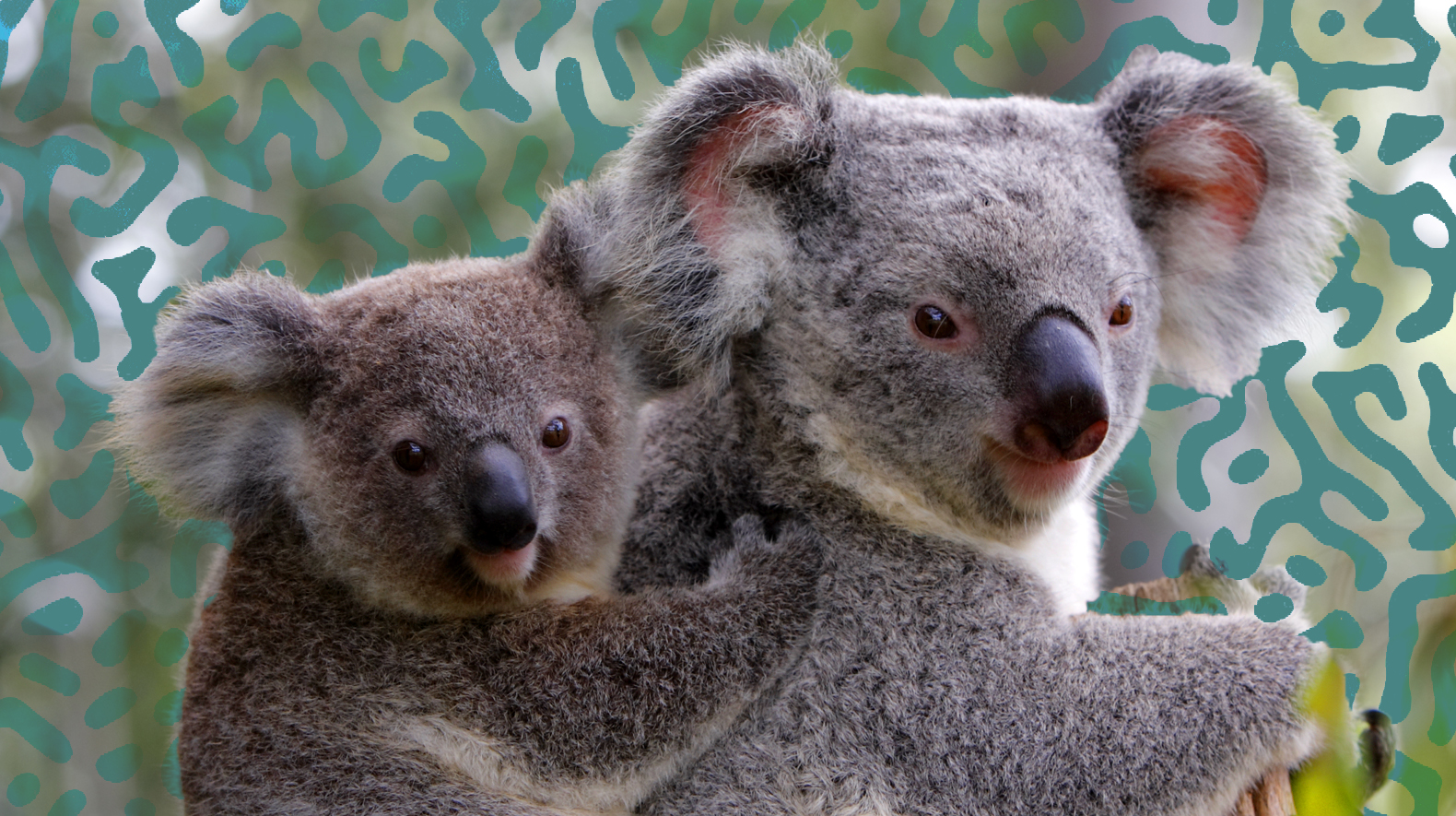
Australia’s native wildlife and AMR
If you have any doubts that a true One Health response to AMR is needed, then consider how the phenomenon is already showing up in Australia’s native fauna.
-

Phage therapy holds promise for combating AMR
As antimicrobial resistance (AMR) increases, phage therapy offers promise not only as a treatment for antibiotic-resistant infections, but also as a potential alternative to antibiotics themselves.
-
Accelerating AI to search for new antibiotics
CSIRO experts are using artificial intelligence (AI) in the search for new antibiotics and say it will lead to a better hit rate of successful pharmaceutical candidates.
-
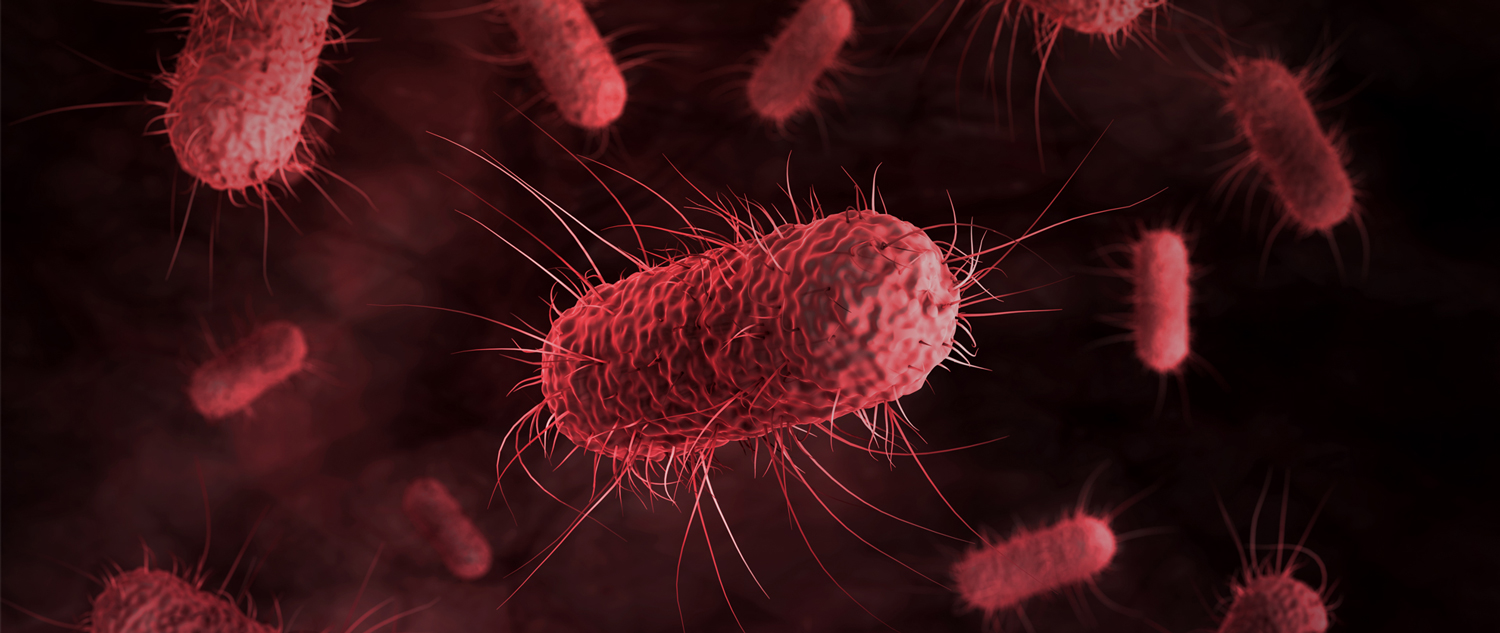
How do bacteria actually become resistant to antibiotics?
Contrary to a common belief, antibiotic resistance is not about your body becoming resistant to antibiotics.
-

Making sense of AMR data
Understanding and linking data between animals, humans and the ecosystem.
-
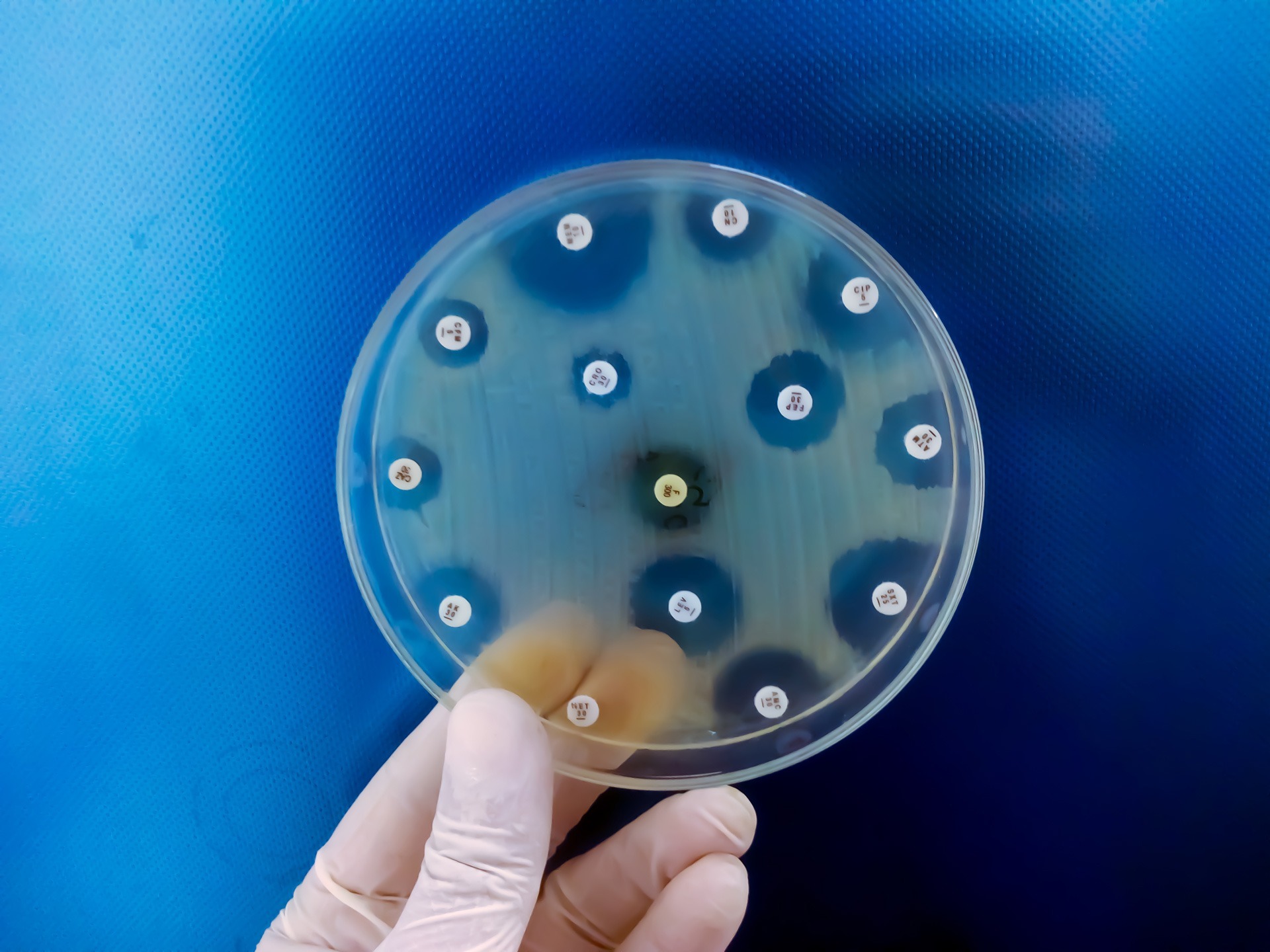
What is a One Health approach to antimicrobial resistance?
A comprehensive One Health approach addresses the interconnectedness of human, animal, and environmental health.
-

Explainer: What is Antimicrobial Resistance? (AMR)
AMR occurs when microbes, such as bacteria, viruses, fungi, and parasites evolve to resist the drugs designed to kill them, rendering treatments ineffective.