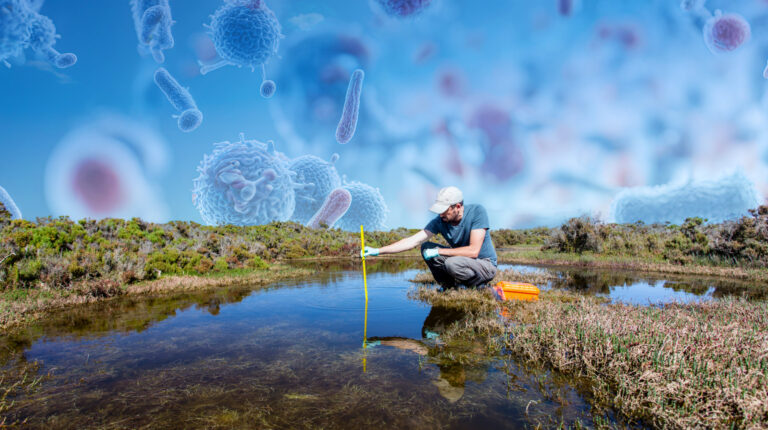
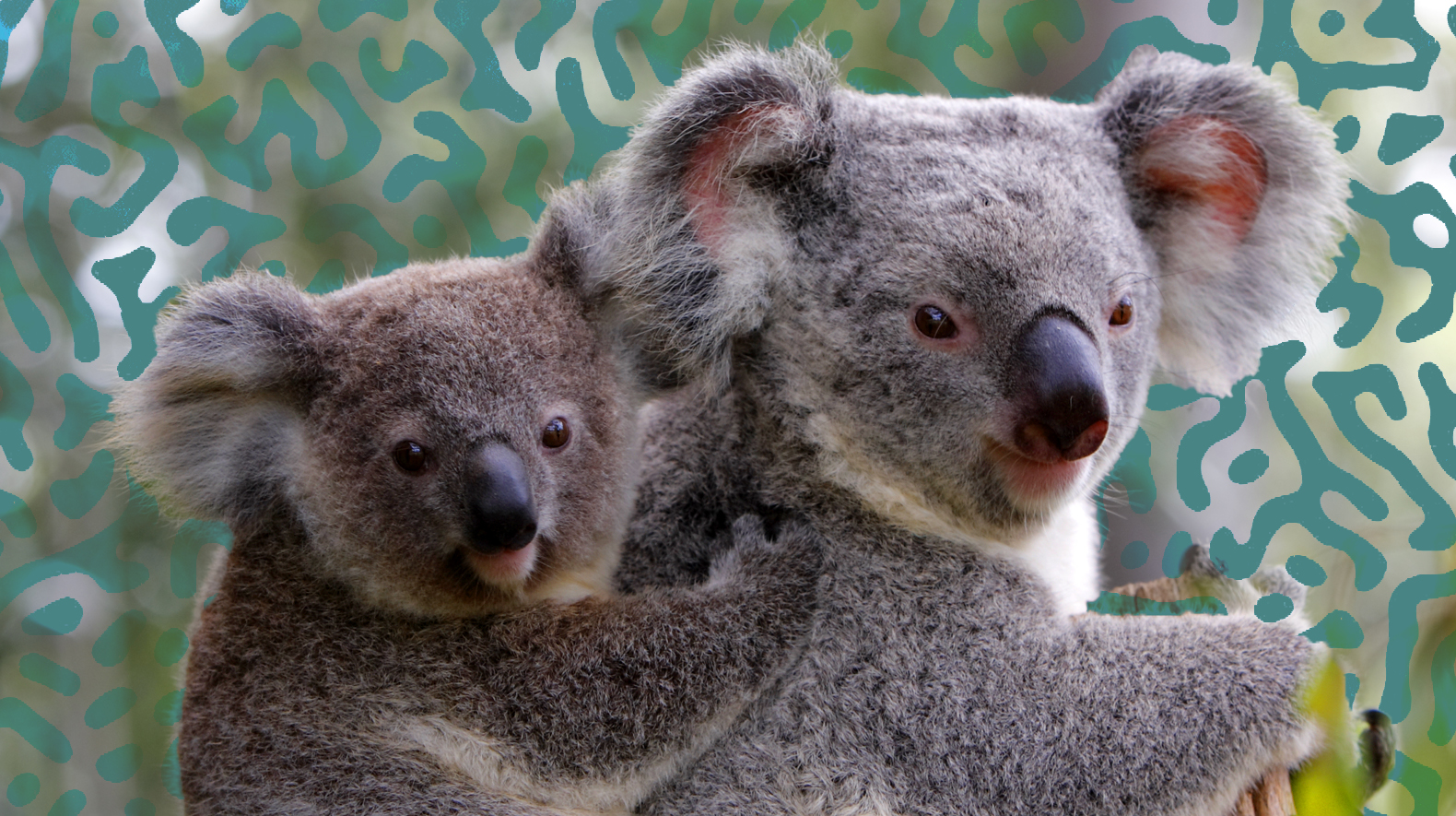
“There’s definite research evidence of resistant genes and bacteria in Australian wildlife and it’s being seen across multiple groups of species – in birds, terrestrial mammals, marine mammals and even in some reptiles,” warns wildlife veterinarian Dr Clare Death, a Senior Project Officer with Wildlife Health Australia – the national organisation that leads action on wildlife health to protect and enhance the natural environment, biodiversity, economy and animal and human health. “It’s similar to the picture being seen worldwide, where, if you look, you will usually find some type of antimicrobial resistance in wildlife.”
“
The closer wildlife exists to human activity, the more likely they are to have significant evidence of resistance.
Dr Clare Death
Because of that there has sometimes been the “temptation”, Dr Death says, to identify wildlife as a source of the AMR crisis that’s now afflicting human populations worldwide.
But the evidence, she says, suggests the reverse because native animals are very rarely treated with antibiotics. (It’s the inappropriate use (misuse, overuse, and underuse) of these medications that is now the primary driver of the evolution of so-called superbugs, which are disease-causing microorganisms that carry genetic resistance to medications that would usually kill them.)
“Really, native animals are victims of the way humans use the environment,” Dr Death explains. “What researchers are finding globally, is that the closer wildlife exists to human activity, the more likely they are to have significant evidence of resistance.”
And the reason for that is because they’re using soil and water or feeding on plants that have been contaminated by humans and the waste of domesticated animals.
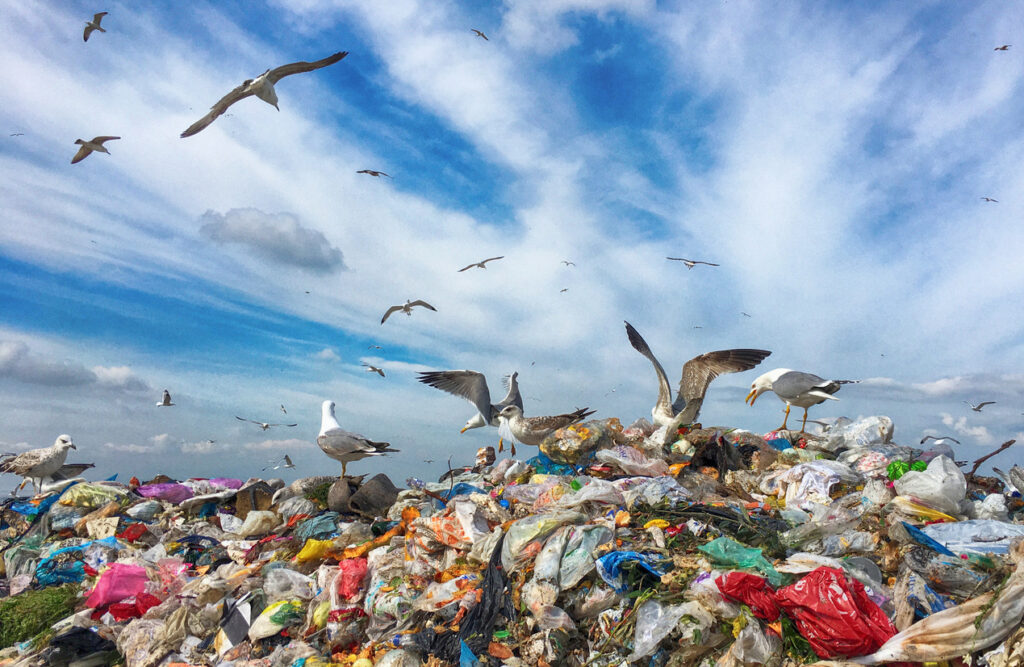
Landfill sites are potential hotbeds of infection
One of the most compelling examples of this human-to-wildlife transmission scenario in Australia is being seen in the silver gull – Chroicocephalus novaehollandiae – a coastal bird species that occurs right around the country. Being highly adapted to disturbed urban environments, the gull is a species that commonly scavenges on human landfills for food.
And landfills, of course, are where most human waste ends up. Although there’s no evidence that AMR is originating within these birds, they can consume and carry resistant organisms and deposit them in their faeces. In this way they can act as reservoirs and spreaders of resistance.
“There’s some fascinating evidence that the resistance being seen in silver gull juveniles reflects what’s going into landfill in human waste, and it just basically passes through the birds, depending on what they’ve been eating,” Dr Death says.
That, of course, can include waste from hospitals, factories or water treatment plants as well as ordinary domestic sources such as households.
It’s an important revelation for researchers trying to identify the spread of resistance throughout the environment and for health authorities trying to prevent that transmission.
“
If chlamydia in koalas became impossible to treat because of resistance, the impact of that could be massive.
Dr Clare Death
Yet another risk to vulnerable native wildlife
“We sometimes do see some infections in wildlife that are hard to treat because of resistance, but it’s not a hugely common phenomenon, although there’s certainly the risk that could increase in the future,” Dr Death warns. There is, however, an issue presently linked to AMR that’s more concerning for Australia’s largely unique fauna. And that is the potential secondary impact that the phenomenon has been shown to have on the health of native species.
“There is increasing evidence in wildlife that antimicrobial resistance alters their microbiome, so it might disrupt the general balance of bacteria in their systems,” Dr Death explains, adding that there needs to be more research to reveal how this might affect the health of, for example, a koala or kangaroo.
And so, AMR looks set to become another danger on an already long list of threats faced by native Australian animal species, many of which are found nowhere else in the world.
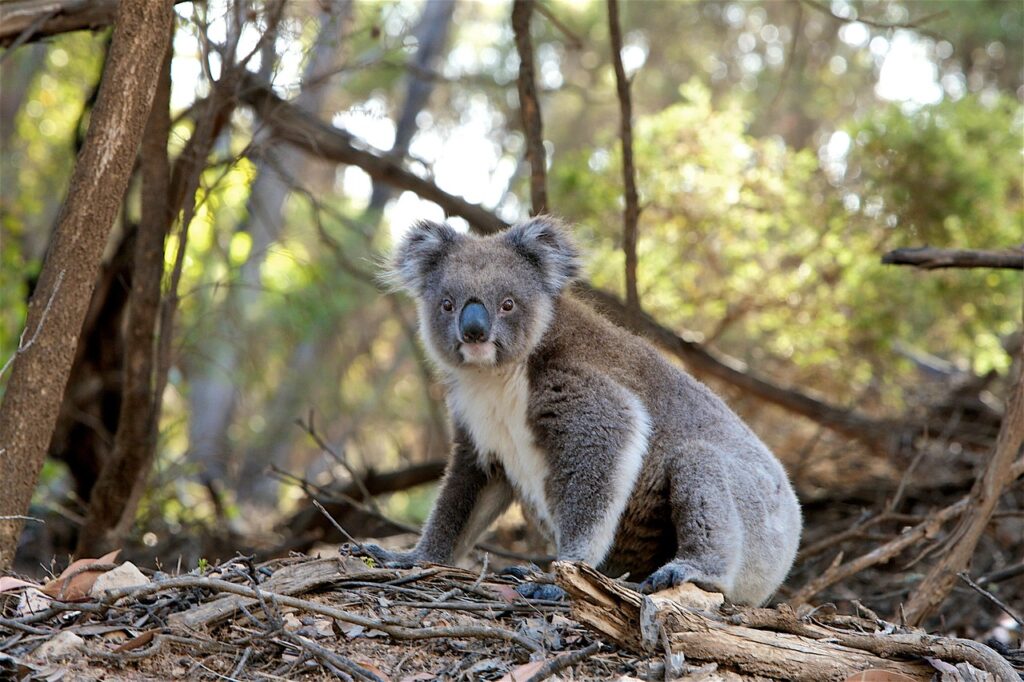
“So, this is one more pressure on our wildlife,” Dr Death says. “They already face habitat destruction, climate change, other diseases, and then you add something like resistant bacteria.”
Perhaps the most obvious example of how damaging this could be is seen in the koala. Many populations of this already endangered Australian marsupial suffer poor health and infertility from the bacterial infection chlamydia.
“If chlamydia in koalas became impossible to treat because of resistance, the impact of that could be massive,” Dr Death says.
For other animal species that are already on the endangered list – and in Australia there are are hundreds of them – the potential impact could be truly devastating.
“If, for example, you have a species where there’s only 500 of them left and then an infection gets into the population that happens to be resistant to treatment, you could wipe them out,” Dr Death says. “And so, it’s really just trying to work the problem out before we get to that point.”
That risk is less pronounced in Australia as it is in some countries overseas.
“And that’s because the use of antimicrobials here has been more restricted than it has been internationally. We’ve had good systems and good rules about antimicrobial use and that’s made a difference to the resistance we see here. So, it’s important we keep up that good management going forward, but also that we do more research and more surveillance.”
Do you call it a disease, or do you call it environmental pollution?”
Disease or pollutant?
What becomes particularly evident about AMR when you’re considering its impact on wildlife is how much the phenomenon is increasingly blurring the distinction between disease and pollution.
“I think that’s one of the most interesting things about AMR in wildlife – do you call it a disease, or do you call it environmental pollution?” Dr Death says. “It’s actually a contagious pollutant, really. So, it sits sit right in there in the middle of both of those issues.”
From a regulatory perspective that raises fundamental questions about how it should be dealt with as a risk to wildlife. Should it be treated as a contagious disease because of how it is spread, or should it be considered a form of pollution?
“An interesting publication out of New Zealand recently called for the creation of ‘Eco-AMR Zones’ that use cleaner technologies and enforce pollution controls – in addition to regulating antibiotic use – to manage AMR’s environmental and public health impacts,” Dr Death points out.
“This big picture thinking about managing AMR is so important, especially in the face of other threats to wildlife like climate change and habitat destruction”.
Karen McGhee is one of Australia’s most experienced science journalists and editors. She has written for dozens of local and international publications and websites including Scientific American, Nature and Australian Geographic.
You may also be interested in:

Veterinary pharmaceutical packaging – a global One Health challenge