
Home / Human health /

Human health
Antimicrobial resistance (AMR) poses a profound threat to human health, undermining the efficacy of antibiotics that have been the cornerstone of modern medicine.
As bacteria, viruses, fungi, and parasites evolve to resist the effects of medications, common infections become harder to treat, leading to longer illnesses, higher medical costs, and increased mortality.
-

The rise of untreatable superbugs in sexually transmitted infections
Sexual health provides the perfect storm for the rise in antimicrobial resistance.
-

Evolving clinical practice to curb antimicrobial resistance
Approximately one third of antimicrobial prescriptions in Australia are considered unnecessary and contribute to the spread of AMR. Improved clinical prescribing is crucial to addressing this issue.
-
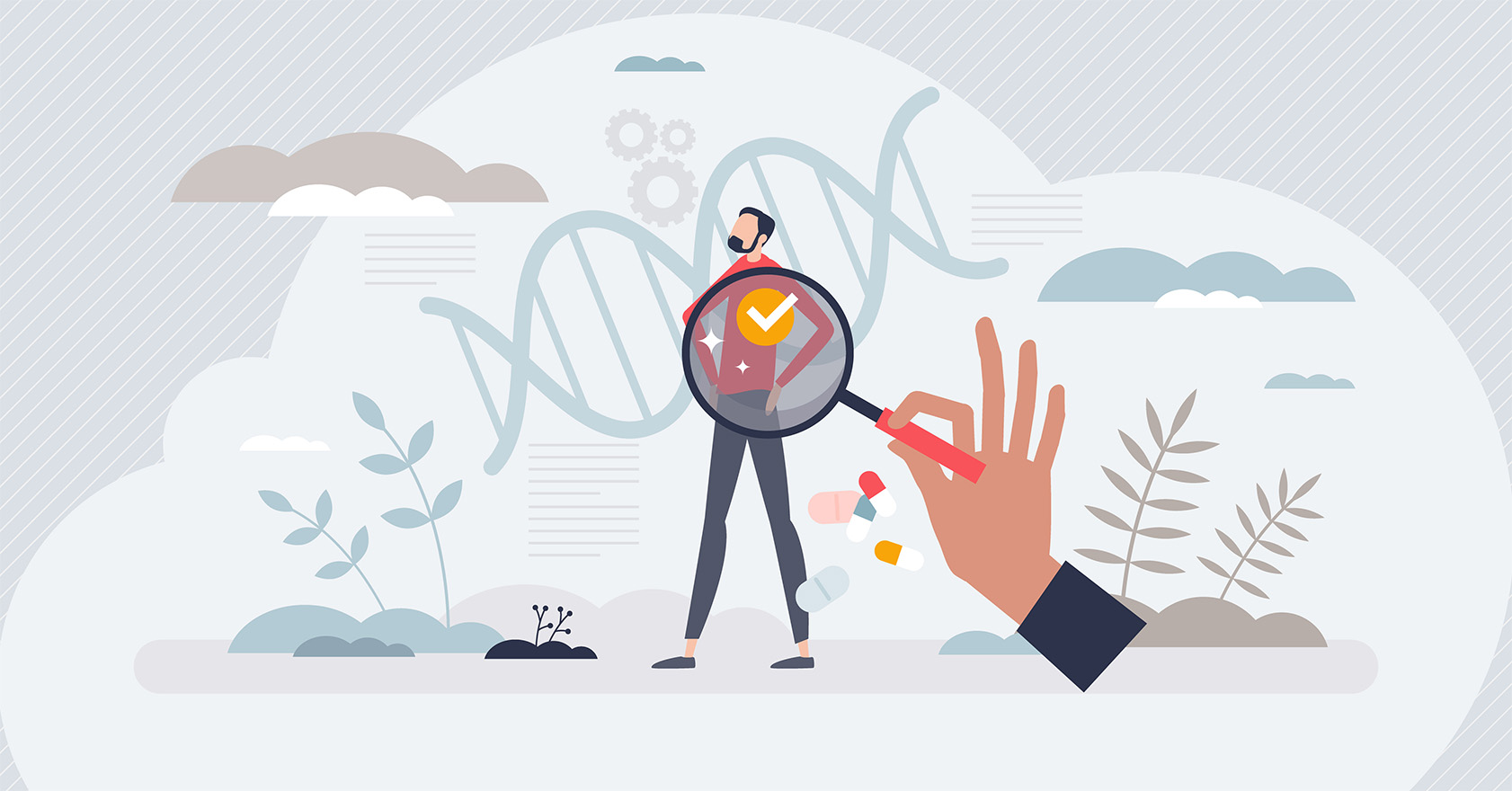
How AI is informing personalised infection treatment
Tailoring dosing and choice of antibiotics could improve outcomes and reduce the risk of AMR emerging.
-
Can nano-antimicrobials extend the life of existing medicines?
Australia could benefit from nano-antimicrobial particles to increase the effective lifespan of current and new antimicrobial medicines, but barriers remain.
-

How the chaos of war breeds deadly superbugs
In war zones, complex AMR mitigation strategies are virtually impossible to implement.
-

Ramping up the fight against bacteria to prevent devastating neonatal sepsis
The most common cause of neonatal sepsis infections is the bacteria Klebsiella pneumoniae, which is increasingly resistant to antimicrobial treatment.
-
Accelerating AI to search for new antibiotics
CSIRO experts are using artificial intelligence (AI) in the search for new antibiotics and say it will lead to a better hit rate of successful pharmaceutical candidates.
-
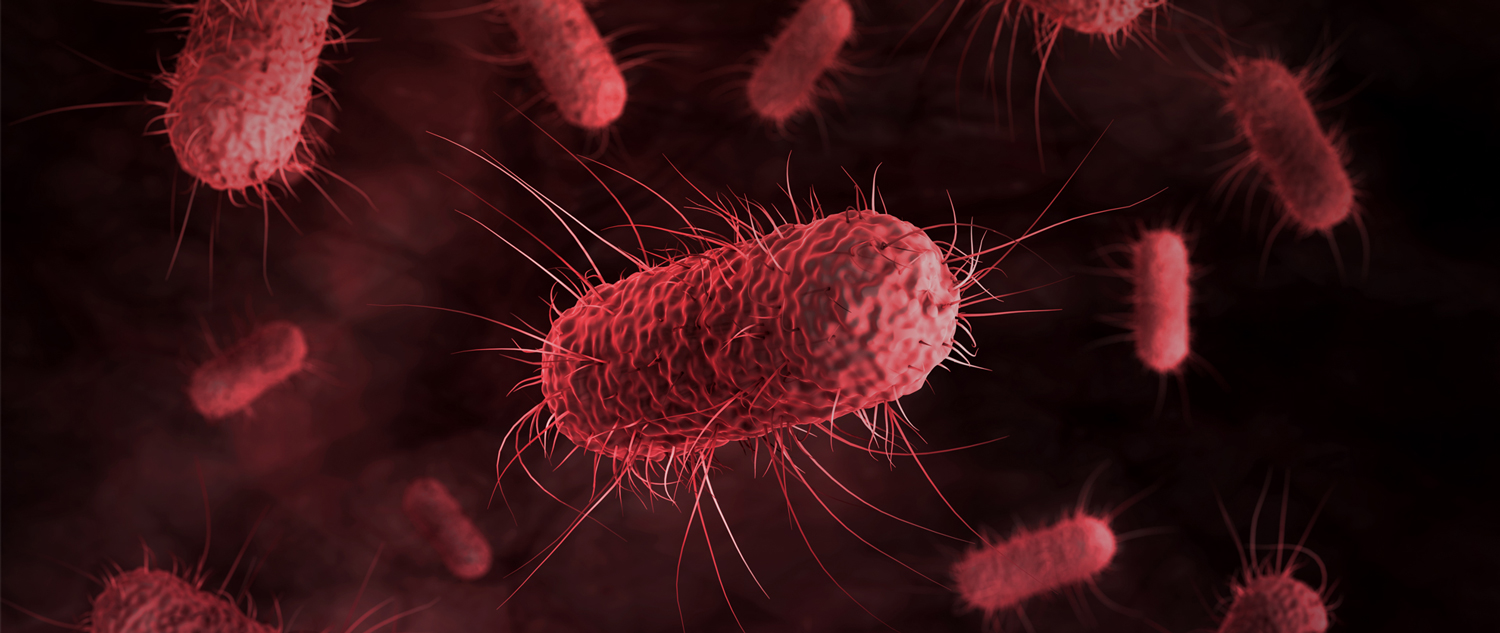
How do bacteria actually become resistant to antibiotics?
Contrary to a common belief, antibiotic resistance is not about your body becoming resistant to antibiotics.
-

Securing antibiotic supply chains by working together
Pooling resources with regional neighbours could help manage supply of essential medicines.
-

Making sense of AMR data
Understanding and linking data between animals, humans and the ecosystem.